
Tools
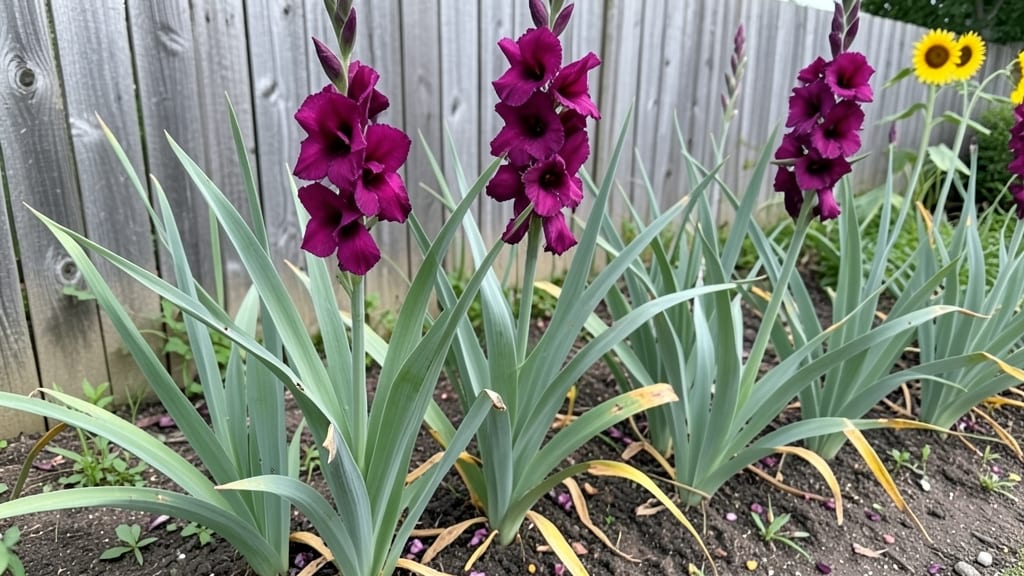
Gladioli in garden transform any space into a striking vertical masterpiece with their towering spikes of bold color. 🌟 I remember the first time I planted them—my backyard went from flat and ordinary to a dramatic summer showstopper overnight.
These aren’t just flowers; they’re the architectural backbone of late-summer gardens, reaching heights of 3 to 5 feet with minimal fuss.
The secret to their success lies in well-draining soil and full sun—at least 6 hours daily—plus a little extra care during their growing season. Most gardeners overlook their thirst for water during bud formation, but consistent moisture (not soggy soil) is key to those signature sword-like blooms.
I’ve found that staking early prevents flopping stems, and a handful of compost at planting time boosts root strength for taller varieties.
By late summer, you’ll have clusters of vibrant blooms that last weeks when cut fresh, plus the satisfaction of a garden that feels like a designer’s vision. The best part?
Gladioli thrive in containers too, making them perfect for small spaces or urban balconies. Here’s how to make them work for your garden’s style and size.
Whether you’re a beginner or a seasoned grower, these plants reward patience with dramatic, long-lasting impact. The trick is timing—plant corms in spring after the last frost, and you’ll enjoy blooms from mid-to-late summer straight through fall. Let’s get those bold stems growing!
📚 In This Guide
- What you need
- Instructions
- Tips and common mistakes
- Wrapping up and next steps
What you need
- ● Gladiolus corms: 10–20 corms per square foot (choose varieties like ‘Friendship’ or ‘Picasso’ for bold colors).
- ● Well-draining soil: Mix in 2–3 inches of compost or aged manure to enrich the bed.
- ● Organic mulch: Straw or shredded leaves (2–3 inches) to retain moisture and suppress weeds.
- ● Fertilizer: Balanced 10-10-10 or slow-release granular fertilizer (1 tbsp per corm at planting).
- ○ Stakes or supports: 3–4 ft bamboo stakes or metal garden rings (optional but recommended for tall varieties).
- ● Hand trowel or garden fork for planting.
- ● Garden gloves (to protect your hands from sharp corm edges!).
- ● Watering can or hose with a gentle spray nozzle.
- ● Measuring tape or ruler (for spacing corms 6–8 inches apart).
- ● Pruners (for trimming dead foliage post-bloom).
- ● Copper fungicide (to prevent rust or botrytis).
- ● Slow-release plant food (for mid-season feeding).
- ● Garden twine (to secure stakes if needed).
- ● Decorative garden flags or labels (for variety tracking).
How to plant gladioli for striking vertical garden drama
Here's my battle-tested approach to growing gladioli that thrive year after year.
🌱 Step 1: Choose the Right Location and Prepare the Soil
Gladioli love full sun—at least 6-8 hours daily—so pick the sunniest spot in your garden. These bold stems need space too, so place them 12-18 inches apart in rows 18-24 inches apart for proper airflow and to prevent disease. I always plant mine where they won’t be crowded by other perennials.
Before planting, loosen the soil to a depth of 12 inches with a garden fork. Gladioli have long, fibrous roots that need room to spread. Mix in 2-3 inches of compost or well-rotted manure to enrich the soil—this ensures strong stems and vibrant blooms. Avoid heavy clay soil; if yours is dense, amend it with sand or peat moss for better drainage.
🌱 Step 2: Plant Corms at the Right Depth and Time
Plant gladioli corms in early spring, about 2-4 weeks before your last frost date, when the soil temperature reaches 60°F. Push each corm 4-6 inches deep, with the pointed end facing upward—this is where the shoot will emerge. If planting in fall, do it 6-8 weeks before the first frost so the corms establish roots before winter.
Space corms 6-8 inches apart in rows. I like to plant them in clusters of 3-5 corms for a fuller look. Water lightly after planting to settle the soil, but don’t overwater—soggy soil can rot the corms. Mulch with 2-3 inches of straw or shredded leaves to retain moisture and suppress weeds, but leave a 2-inch gap around the corms to prevent rot.
☀️ Step 3: Provide Consistent Care for Strong Stems and Blooms
Gladioli need regular watering, especially during the growing season. Keep the soil evenly moist but not waterlogged—aim for 1 inch of water per week, more if your area is particularly hot or dry. You’ll know they’re thirsty when the leaves start to wilt slightly in the afternoon. Water at the base of the plant to avoid wetting the foliage, which can lead to fungal issues.
Fertilize lightly when the shoots are 4-6 inches tall with a balanced, water-soluble fertilizer (10-10-10). Too much nitrogen will give you lush leaves but fewer blooms. I also side-dress with a low-phosphorus fertilizer (like 5-10-10) when the flower stalks emerge to encourage strong blooms. Remove spent blooms regularly to redirect the plant’s energy into new flowers.
✂️ Step 4: Support and Maintain for Longevity
Gladioli stems can grow 3-5 feet tall, so they need support. Install stakes or a trellis at planting time—driving stakes into the ground after the plants are established can damage the roots. I use bamboo stakes tied loosely with twine to allow the stems to sway slightly in the breeze, which strengthens them.
Watch for thrips, the most common gladioli pest. These tiny insects cause streaked or discolored flowers. If you spot them, spray the plants with neem oil or introduce beneficial insects like ladybugs. After the first frost, cut the foliage back to 2 inches above the ground and leave the corms in the soil. They’ll naturalize over time, returning year after year with even more dramatic blooms.
Tips & tricks for perfect gladioli planting
A few simple tricks will help your gladioli thrive and deliver those stunning vertical blooms year after year.
Timing Secret: The 6-8 hours of daily sun in Step 1 is non-negotiable—gladioli won't reach their full dramatic height without it. If your garden gets partial shade, choose the sunniest spot available and consider adding a reflective surface nearby to maximize light exposure. I've seen gladioli in partial shade grow, but they'll be shorter and less robust. Trust me on this: move them to full sun if you notice limp stems or sparse blooms.
Soil Depth Strategy: When planting your corms 4-6 inches deep in Step 2, use your finger to create small holes that are just slightly larger than the corms themselves. Packing the soil too tightly around them can restrict root growth. After planting, give the soil a gentle pat to settle it without compacting—think "lightly compressed," not "packed like dirt." This ensures proper drainage while keeping the corms secure.
Watering Wisdom: The 1 inch of water per week in Step 3 is a guideline, but timing matters just as much. Water deeply in the morning so the foliage has all day to dry, preventing fungal issues. I use a soaker hose for this—it delivers water right at the base without wetting the leaves. If you notice the leaves wilting by afternoon, that's your cue to water more frequently, especially during heatwaves. Overwatering is just as damaging as underwatering for these dramatic stems.
Support System: For those 3-5 foot tall stems in Step 4, don't wait until they're fully grown to install stakes. Bury your bamboo stakes at planting time, leaving about 2 feet above ground. This gives you plenty of room to tie the stems as they grow. I use soft plant ties that can be adjusted—never wire or anything that can cut into the stems. The slight sway you create actually strengthens the stems, making them more resilient against wind and storms.
Pro Tips for Gladioli In Garden
- A few simple tricks will help your gladioli thrive and deliver those stunning vertical blooms year after year.
- Timing Secret: The 6-8 hours of daily sun in Step 1 is non-negotiable—gladioli won't reach their full dramatic height without it.
- Soil Depth Strategy: When planting your corms 4-6 inches deep in Step 2, use your finger to create small holes that are just slightly larger than the corms themselves.
Frequently asked questions
Got questions about growing gladioli in your garden?
Here are answers to the most common ones—so you can confidently plant, care for, and enjoy these showstopping blooms all season long!
When is the best time to plant gladioli?
Plant gladioli after the last frost in spring (when soil temps hit 60°F+) or in early fall (6–8 weeks before your first frost). In warm climates, they thrive year-round! For cooler zones, dig up corms in fall, store them dry, and replant next spring to prevent rot. Pro tip: Soak corms in warm water for 24 hours before planting to kickstart growth!
How long do gladioli take to bloom?
Gladioli typically bloom 8–12 weeks after planting, depending on variety and climate. Early-blooming types (like ‘Attraction’ series) may flower in as little as 60 days, while taller varieties take longer. For extended blooms, stagger plantings every 2–3 weeks—this ensures a nonstop vertical display from summer to fall!
Why are my gladioli leaves turning yellow or spotted?
Yellowing leaves often signal fungal diseases (like rust or botrytis) or pests (thrips, aphids, or slugs). Improve airflow by spacing plants 6–12 inches apart, water at the base (not overhead), and remove affected foliage immediately. For slugs, use beer traps or diatomaceous earth. Prevention tip: Rotate planting spots yearly to avoid soil-borne pathogens!
Can I grow gladioli in containers or small gardens?
Choose compact varieties (like ‘Picasso’ or ‘Green Star’) and plant in containers 12+ inches deep with well-draining soil. Use a mix of potting soil and perlite, and place pots in full sun. Just ensure the container has drainage holes—gladioli hate soggy roots! For small gardens, try interplanting with shorter perennials to maximize vertical space.
How do I store gladioli corms over winter?
After foliage dies back, dig up corms when soil temps drop below 50°F. Brush off dirt, let them dry in a shady, airy spot for 1–2 weeks, then store in a cool (35–45°F), dry place (like a garage or paper bag with holes). Check monthly for rot—discard any mushy corms. Replant in spring for a fresh crop! Storage hack: Label corms by color/variety to avoid surprises next season!
Wrapping up and next steps
Gladioli bring dramatic flair to any garden with their towering spikes and vibrant blooms—perfect for adding vertical interest year-round. Whether you're a seasoned gardener or just starting, these hardy plants reward effort with stunning displays and easy care.
Now that you’re equipped with the right tools, tips, and troubleshooting, it’s time to roll up your sleeves and plant!
Ready to transform your space? Pick a spot, prep the soil, and let those bold stems shine. Happy gardening! 🌱✨