
Pests
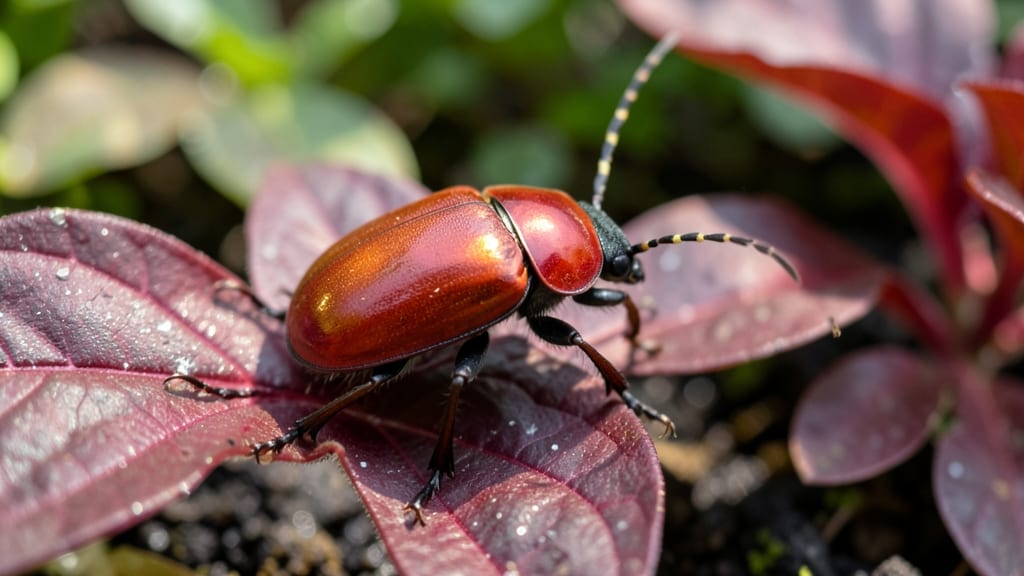
My red beetle garden isn't about growing vegetables—it's about growing a fortress against these destructive invaders. 🌱 These striped pests chew through leaves, stems, and even roots, and I learned the hard way that chemical sprays only buy temporary peace.
The real solution? A mix of natural barriers, companion plants, and smart timing that keeps them out for good.
First, I realized red beetles hate certain smells and textures—think strong herbs like mint or thyme planted near vulnerable crops. Physical traps made from rolled-up newspaper or cardboard also work surprisingly well, especially when placed near egg-laying hotspots.
The key is acting fast: these beetles multiply quickly, and once they're established, they're nearly impossible to eradicate without heavy-handed methods.
By combining these strategies, I've kept my garden thriving without a single chemical spray. The results? Fewer skeletonized leaves, healthier plants, and a system that actually gets easier each year.
The best part? These methods work year-round, whether you're dealing with beetle larvae in spring or adult pests in late summer.
Whether you're growing tomatoes, peppers, or even flowers, this approach adapts to any garden. The secret isn't complexity—it's consistency. Let's build that beetle-proof barrier together, one plant at a time.
Root Causes Of Beetle Infestations
If your garden has become a hotspot for beetles—especially red varieties like the red beetle—understanding the why behind their presence is the first step to reclaiming your space.
These pests don’t just appear randomly; they’re drawn by specific conditions in your environment. Below, we break down the most common triggers and the science behind them.
Beetles, particularly red beetles and their larvae, are attracted to organic decay. When fruits, vegetables, or fallen leaves rot in your garden, they release volatile organic compounds (VOCs) that signal an easy food source. These compounds mimic the scent of fermenting fruits, which beetles associate with high-nutrient meals.
- Why it happens: Beetles rely on their sense of smell to locate food. Overripe produce or compost piles emit ethyl acetate and ethanol, chemicals that trigger feeding responses in beetles.
- Actionable fix:
- Remove fallen fruit, veggies, or leaves immediately—don’t let them linger.
- Use mulch sparingly and keep it dry to prevent fungal growth, which also attracts beetles.
- Consider compost bins with tight lids to contain odors and deter pests.
Beetle larvae thrive in damp, poorly drained soil because moisture slows decomposition, creating a perfect breeding ground. Excess water also weakens plants, making them easier targets for beetle attacks.
The red beetle (often a type of Asian lady beetle or Colorado potato beetle) seeks out these conditions to lay eggs.
- Why it happens: Moisture triggers microbial activity in soil, producing carbon dioxide and ammonia—signals that beetles interpret as "fertile ground." Additionally, waterlogged soil prevents beneficial predators (like ground beetles) from patrolling effectively.
- Actionable fix:
- Improve drainage with raised beds or sand amendments if your soil is clay-heavy.
- Avoid overwatering—stick to deep watering early in the morning to allow soil to dry between sessions.
- Use gravel or pine bark mulch around plants to reduce soil moisture retention.
Beetles flourish when their natural enemies—like birds, parasitic wasps, or ground beetles—are absent. Urban gardens, in particular, often lack these predators due to pesticide use, habitat destruction, or simply not providing the right conditions for them to thrive.
- Why it happens: Beetles have few natural defenses against predators, so ecosystems with balanced biodiversity keep their populations in check. When you disrupt this balance (e.g., by using broad-spectrum pesticides), beetles reproduce unchecked.
- Actionable fix:
- Introduce predator-friendly plants like dill, fennel, or marigolds, which attract beneficial insects.
- Avoid chemical pesticides—opt for neem oil or kaolin clay to deter beetles without harming predators.
- Install birdhouses or bat boxes to encourage natural pest control.
Beetles are highly sensitive to temperature and humidity. Warmer winters and longer growing seasons (thanks to climate change) allow beetle populations to expand their range and reproduce more frequently. The red beetle, for example, may overwinter in sheltered garden nooks and emerge earlier in the year.
- Why it happens: Beetles enter diapause (a dormant state) in cold weather. With milder winters, they wake up sooner, leading to earlier infestations. Additionally, heatwaves stress plants, making them release distress signals (like volatile terpenes) that attract beetles.
- Actionable fix:
- Monitor weather patterns and adjust planting times to avoid peak beetle activity (often spring and early summer).
- Use row covers or floating fabric to protect young plants during warm spells.
- Plant heat-tolerant varieties that beetles avoid, like basil or thyme.
By addressing these root causes, you’re not just treating the symptoms—you’re disrupting the conditions that invite beetles in the first place. The key is proactive prevention, not reactive damage control. 🚀
Practical pest control solutions
When red beetles invade your garden, the key is acting fast with targeted, natural methods that protect your plants without harming the environment. Below, we’ll break down solutions by common causes—so you can fix the problem and prevent future visits from these pesky critters.
If red beetles are drawn to stressed plants, the fix starts with strengthening your garden’s defenses.
🌱 Step 1: Improve Plant Health
- Prune damaged leaves 🔪 to remove beetle hiding spots and improve airflow.
- Water deeply but less frequently (early morning is best) to prevent root stress.
- Fertilize with compost or balanced organic fertilizer (like 10-10-10) to nourish plants without chemical overload.
💡 Prevention Tip:
Rotate crops annually to disrupt beetle life cycles. Avoid planting susceptible veggies (like tomatoes or peppers) in the same spot two years in a row.
Red beetles love decaying matter—so cleanliness is your first line of defense.
🧹 Step 2: Remove Debris & Fallen Fruit
- Pick up overripe produce daily (especially in summer).
- Clear leaf litter, weeds, and plant waste from garden beds and borders.
- Use a stiff brush to scrub beetles off plants into a soapy water bucket.
🌡️ Prevention Tip:
Mulch with straw or wood chips (not fresh grass clippings) to deter beetles while retaining moisture.
If you spot tiny red grubs or eggs near roots, soil treatment is critical.
🔍 Step 3: Handpick & Disrupt Life Cycles
- Inspect soil (especially near plant bases) for eggs or larvae—drop them in soapy water or a sealed bag.
- Apply diatomaceous earth (food-grade) lightly around plants to dehydrate larvae (reapply after rain).
- Encourage beneficial nematodes (like Steinernema carpocapsae) to hunt beetle grubs naturally.
✨ Prevention Tip:
Plant marigolds or garlic nearby—their strong scents repel red beetles while attracting predatory wasps.
If your garden is just a pit stop, block entry points and alter the environment.
🚪 Step 4: Seal Gaps & Adjust Mulch
- Check mulch piles for beetle activity—replace with gravel or crushed eggshells (they dislike sharp textures).
- Seal cracks in fences, sheds, or woodpiles with copper mesh or steel wool (beetles can’t chew through it).
- Paint tree trunks with a beetle-repellent mix (1 part neem oil, 2 parts water).
🎯 Prevention Tip:
Place yellow sticky traps near problem areas to monitor and reduce beetle numbers.
The best defense? A garden they won’t want to visit.
| Problem | Solution | Prevention |
|---|---|---|
| Weak plants | Strengthen with compost & pruning | Crop rotation, resistant varieties |
| Decaying matter | Daily cleanup | Mulch with straw, avoid overwatering |
| Soil-borne larvae | Diatomaceous earth + nematodes | Plant garlic/marigolds as barriers |
| Wood/mulch infestations | Replace with gravel or copper mesh | Inspect mulch weekly, seal entry points |
Final Note: Consistency is key—combine immediate fixes (like handpicking) with long-term habits (like soil health and barriers) for a beetle-free garden all year. 🌿✨
Frequently asked questions
What plants do red beetles target most?
Red beetles—like the Asian lady beetle or Japanese beetle—love feasting on roses, grapes, beans, and tomatoes. They also attack fruit trees (especially apples and peaches) and ornamental plants like hibiscus. The key is to monitor these high-risk plants closely during peak beetle season (late spring to summer).
How do I tell if red beetles are damaging my garden?
Look for skeletonized leaves (where only veins remain), chewed petals, or tiny red grubs in soil. Adult beetles leave irregular holes in foliage, while larvae create ragged tunnels in roots or stems. Check undersides of leaves and mulch piles for eggs or beetles hiding. Early detection is critical!
Are there chemical-free ways to repel red beetles?
Yes! Try neem oil spray (mix 1 tbsp with 1 quart water), kaolin clay (forms a protective barrier), or garlic/chili pepper spray. Physical barriers like row covers or yellow sticky traps also work well. For soil-borne larvae, beneficial nematodes are a natural, chemical-free solution.
Why do red beetles appear suddenly in my garden?
Beetles often arrive in waves due to weather changes (warm fronts trigger emergence) or new plantings that attract them. They also hitchhike on wind, water, or even garden tools. The key is to act fast—once they establish, they multiply quickly. Regular garden inspections help catch them early.
Can red beetles harm my lawn as well?
While they prefer gardens, red beetle larvae (grubs) can damage lawns by feeding on grass roots, leading to brown patches or thinning turf. Adults may also chew grass blades. To protect your lawn, aerate soil in fall to expose grubs to predators and apply milky spore (a natural grub control) if needed.