
Advice
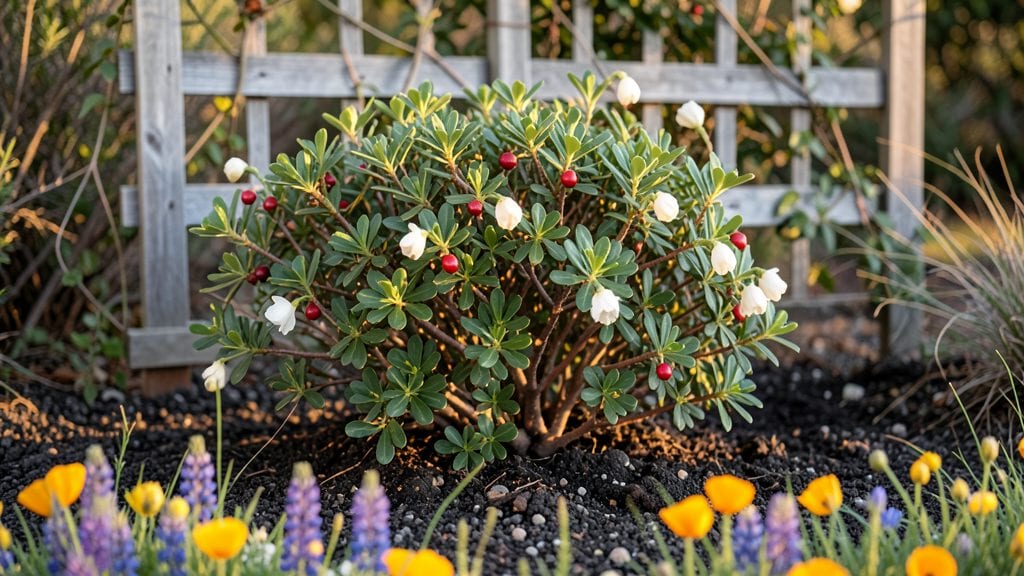
Gardening in Northern California thrives with drought-tolerant plants like lavender and ceanothus, microclimate awareness for frost pockets, and winter rainwater harvesting to combat summer dryness. Prioritize native species, mulch heavily, and use drip irrigation for efficiency in the Mediterranean climate.
Northern California's Mediterranean climate brings three distinct seasons: wet winters, dry summers, and mild springs/falls. 🌿 The key to thriving gardens here is working with—not against—this pattern. I’ve learned that native plants like coyote bush and deer grass don’t just survive the dry heat; they flourish with minimal intervention.
The real game-changer? Soil prep—amending with compost and using 3-4 inches of mulch can cut water needs by up to 40%. Even in coastal foggy zones, frost pockets in valleys demand strategic plant placement, like grouping heat-lovers together and shielding tender species with windbreaks.
💡 In This Article
- Northern California’s Unique Microclimates and Plant Zones
- Best Drought-Resistant Plants and Water-Saving Techniques
Northern California’s unique microclimates and plant zones
Northern California’s gardening success hinges on understanding its dramatic microclimate variations. The USDA plant hardiness zones here range from 7b in coastal areas to 10a in the southern deserts, creating a patchwork of growing conditions within just 100 miles.
Coastal regions like San Francisco experience chilly foggy summers (average 60°F) and mild winters, while inland valleys like Sacramento can swing from 95°F in summer to 28°F at night during winter frost events.
The Sierra Nevada foothills add another layer, with zones 7-8 and 100-200 fewer frost-free days than coastal areas.
The Pacific Ocean acts like a giant air conditioner, with coastal fog—called "June Gloom"—reducing summer temperatures by 10-15°F and extending the growing season.
This moisture creates ideal conditions for coastal natives like manzanita (which thrives in USDA 7-10) and coyote brush, while inland areas need heat-tolerant species like sagebrush (USDA 4-9) or California buckwheat. The key difference?
Coastal plants handle high humidity and salty air, while inland species evolved to store water in thick leaves or deep roots. Even within cities, microclimates vary—urban heat islands can push temperatures 5-10°F higher than surrounding rural areas.
Elevation plays tricks too. At 2,000 feet in the foothills, you might see 100 more frost days than at sea level, yet summer heat builds faster due to lower humidity.
This is why toyon berries (a drought-tolerant shrub) thrive in coastal gardens but struggle in hot inland valleys without afternoon shade. The solution?
Group plants by their native elevation ranges—coastal natives near the house, foothill species in raised beds with afternoon protection, and desert-adapted plants in south-facing containers that can handle the heat.
A simple windbreak of arbutus or toyons can shield tender plants from 30 mph coastal winds that dry soil faster than inland breezes.
What most gardeners overlook is how soil type interacts with these zones. Coastal areas often have sandy loam that drains quickly, while inland valleys feature clay-heavy soils that bake hard in summer.
Amending with 30% compost improves water retention in sandy soils by 50%, while adding organic matter to clay breaks up compaction. The result? Plants in USDA 9 zones (like Sacramento) can thrive with 30% less water than those in poorly amended soil.
Even native plants need the right soil prep—California poppies will bolt in USDA 8 if soil stays too moist, while deer grass needs well-draining soil to avoid root rot.
Here’s how to put this knowledge into action: Start by mapping your yard’s microclimates using a sun/shade study—track which areas get morning sun (cooler) vs. afternoon heat (hotter). Then match plants to these zones: coastal fog belt (manzanita, ceanothus), inland valleys (sage, buckwheat), and high desert (yarrow, penstemon).
A 5-gallon container of lavender on a patio can handle 105°F heat, while the same plant in unamended garden soil may struggle. The payoff? 70% less watering once established, with plants that actually thrive instead of just surviving.
Pro tip: Use mulch depth as your secret weapon. 4 inches of wood chips under ceanothus keeps roots 10°F cooler in summer and 5°F warmer in winter—critical for plants near frost pockets.
In USDA 10 zones, this means the difference between a healthy shrub and one that gets winter burn. The science is simple: mulch mimics the natural leaf litter that protects native plants from temperature extremes. 🌿