
Advice
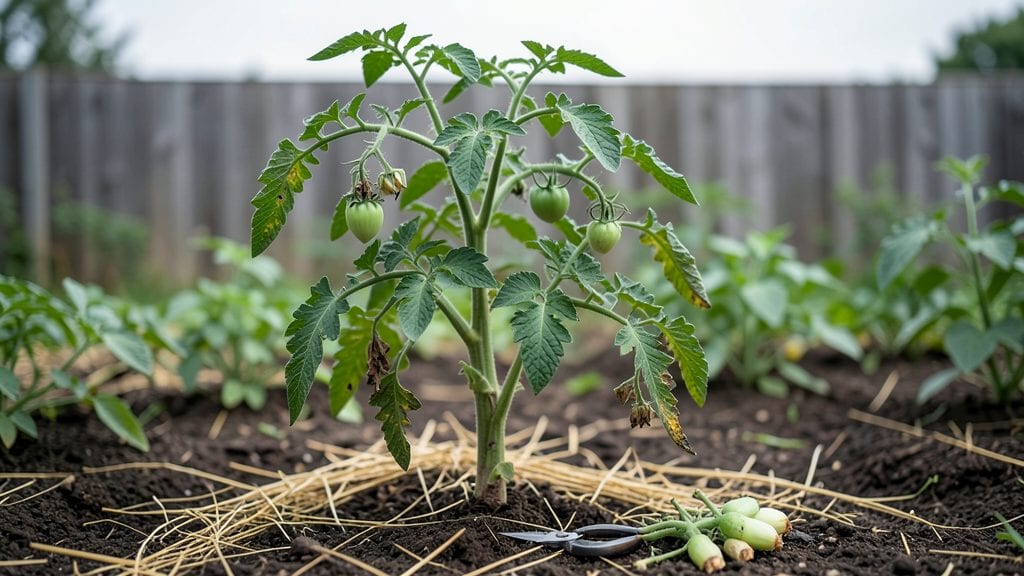
July gardening tasks demand focus as the hottest month of summer when your garden needs the most attention. July gardening tasks focus on pruning to keep plants productive, preventing pests before they take over, and harvesting what’s ready—all while keeping your garden from wilting in the heat.
I learned the hard way that skipping these mid-summer chores leads to leggy plants, pest explosions, and wasted harvests. This is your chance to turn that around.
Start with pruning—deadhead spent blooms on annuals like zinnias and marigolds to encourage more flowers, and trim back overgrown herbs like basil and oregano to keep them bushy. For vegetables, pinch off those first yellowing leaves on tomatoes and peppers to redirect energy to fruit production.
Watering shifts too: focus on deep, infrequent watering in the morning to keep roots cool and prevent fungal diseases. Mulch heavily with straw or shredded leaves to lock in moisture and keep soil temperatures steady.
Pests are always hungry in July, so scout daily for aphids, squash bugs, and tomato hornworms. I’ve found that a strong spray of water or introducing ladybugs works better than chemicals for most problems. Harvest regularly—peppers, cucumbers, and beans won’t stop producing if you keep picking them.
The goal is to keep your garden thriving despite the heat, not fighting it. With these tasks, you’ll end the month with a garden that’s still lush, productive, and ready for fall planting.
Adapt this plan to your region: Southern gardens might add shade cloth for delicate greens, while Northern gardens can focus on late-season crops like bush beans and kale.
Keep a garden journal to track what works—next year, you’ll be even more prepared. Here’s how to make July your garden’s most successful month yet.
📚 In This Guide
- What you need
- Instructions
- Tips and common mistakes
- Wrapping up and next steps
What you need
- ● Pruning shears: Bypass pruners (sharp, 5-8" blades) – 1 pair for precision cuts.
- ● Hand pruners: Bypass or anvil type (for smaller branches) – 1 pair.
- ● Loppers: Long-handled (20-24") – 1 pair for thicker branches.
- ● Garden gloves: Durable, breathable fabric (e.g., leather or mesh) – 1 pair.
- ● Garden hose: 50+ ft with adjustable nozzle – 1 (for watering and pest control).
- ● Mulch: Shredded bark, straw, or compost – 2-3 bags (depending on garden size).
- ● Pest control: Neem oil (16 oz spray bottle) – 1.
- ● Insecticidal soap (32 oz) – 1.
- ● Diatomaceous earth (food-grade, 1 lb) – 1.
- ● Fertilizer: Slow-release granular (10-10-10 or similar) – 1-2 bags.
- ○ Watering can: 5-gallon capacity (optional, for targeted watering).
- ● Extension pole: For high branches (attachable to loppers).
- ● Soil tester kit: Check pH/nutrients (1 kit).
- ● Bird feeder: Encourage natural pest predators (1-2).
- ● Knee pads: For comfort during mulching (1 pair).
- ● Garden journal: Track pruning/pest notes (notebook + pen).
Instructions for mid-summer pruning and pest prevention
July is all about keeping plants healthy and productive—here’s how to tackle pruning and pest control like a pro.
Prune for Airflow and Shape
Start by removing any dead, diseased, or crossing branches first—these are the easiest to spot and address. Use clean, sharp pruners to make cuts just above a leaf node or outward-facing bud. This prevents water from pooling and encourages new growth in the right direction.
For flowering plants, deadhead spent blooms by pinching off the faded flowers at the base. This redirects energy into producing more flowers rather than seed pods. If you’re pruning shrubs, cut back overgrown stems by about one-third to maintain their natural shape and encourage bushier growth.
Here’s the thing—avoid heavy pruning on fruit-bearing plants like tomatoes or peppers unless absolutely necessary. You’ll want to leave enough foliage to keep producing, but a little shaping now prevents overcrowding later.
Monitor and Treat Common Pests
Inspect plants daily for signs of pests like aphids, spider mites, or caterpillars. Look for chewed leaves, sticky residue (honeydew), or tiny webs on the undersides of foliage. Early detection is key—once pests spread, they’re harder to control.
For mild infestations, spray plants with a neem oil solution (1 tablespoon per quart of water) in the early morning or late evening. This disrupts pests’ life cycles without harming beneficial insects. If you spot larger pests like earwigs or slugs, handpick them and drop them into soapy water.
Don’t reach for chemical pesticides unless absolutely necessary. Many garden pests have natural predators, and harsh chemicals can wipe out helpful insects like ladybugs or lacewings.
Mulch to Retain Moisture and Suppress Weeds
Spread a 2-3 inch layer of organic mulch around the base of plants, keeping it a few inches away from stems to prevent rot. Mulch locks in moisture, which is critical during July’s heat, and blocks weeds from competing for nutrients.
Use materials like shredded leaves, straw, or wood chips—whatever you have on hand. Avoid piling mulch too thickly, or it can smother plants and trap too much moisture. A light, even layer is all you need to make a difference.
This is the moment that matters: mulching now saves you time and water later. Plus, it keeps soil temperatures steady, which is especially helpful for heat-sensitive plants like lettuce or spinach.
Water Deeply in the Early Morning
Water plants at the base, not overhead, to reduce fungal diseases and evaporation. Aim for 1-1.5 inches of water per week, adjusting for rainfall. Deep watering encourages roots to grow downward, making plants more drought-resistant.
Check soil moisture by sticking your finger 1-2 inches deep—if it feels dry, it’s time to water. Avoid wetting leaves, especially in the evening, as this promotes mildew. A soaker hose or drip irrigation system works best for consistent moisture.
Real talk: Overwatering in July is just as harmful as underwatering. Too much moisture leads to root rot, while too little stresses plants and invites pests. Find that sweet spot, and your garden will thrive.
Fertilize Lightly for Mid-Summer Growth
Apply a balanced, slow-release fertilizer (like 10-10-10) every 4-6 weeks to support ongoing growth. July is too late for heavy feeding, which can encourage tender new growth that’s susceptible to pests and heat stress.
Focus on organic options like compost tea or fish emulsion for a gentle boost. These feed soil microbes, which in turn improve nutrient uptake. Avoid synthetic fertilizers with high nitrogen content—they can burn plants in hot weather.
You’ll see the difference in just a few weeks: stronger stems, more vibrant blooms, and plants that bounce back from heat and pests with ease.
Tips & tricks for perfect mid-summer pruning and pest prevention
A few simple strategies can transform your July gardening from reactive to proactive—here's how to make every task count.
Pruning Precision: When cutting back overgrown stems by one-third in Step 1, always use clean, sharp pruners to avoid tearing plant tissue. I learned this the hard way after ruining three batches of shrubs with dull shears—ragged cuts invite disease. Make your cuts at a 45-degree angle just above an outward-facing bud to encourage healthy growth patterns. For fruit-bearing plants, resist the urge to prune more than necessary; those leaves are working hard to produce your harvest.
Pest Prevention Strategy: In Step 2, the key to successful neem oil application is timing and consistency. Mix your 1 tablespoon per quart solution fresh each time you use it—neem oil loses effectiveness when stored. Apply it in the early morning or late evening when beneficial insects are less active. I've found that adding a few drops of dish soap (not detergent) to the mix helps it adhere better to plant surfaces without harming your garden's ecosystem.
Mulching Mastery: The 2-3 inch layer of mulch in Step 3 might seem like a small detail, but it makes all the difference during July's heat. I recommend using a mix of materials—shredded leaves for moisture retention and wood chips for weed suppression. Keep that mulch 2-3 inches away from plant stems to prevent rot, and remember to replenish it every few weeks as it breaks down. This simple step can cut your watering needs by up to 30% while keeping soil temperatures stable.
Watering Wisdom: The finger test in Step 4 is your best friend—stick your finger 1-2 inches deep into the soil. If it feels dry, that's your cue to water. I've seen gardeners overwater by 50% just because they're following a schedule rather than checking actual moisture levels. Early morning watering is crucial because it gives plants time to dry out during the day, reducing the risk of fungal diseases. A soaker hose delivers water exactly where it's needed without wetting leaves, which is especially important for heat-sensitive plants like lettuce.
Pro Tips for July Gardening Tasks
- A few simple strategies can transform your July gardening from reactive to proactive—here's how to make every task count.
- Pruning Precision: When cutting back overgrown stems by one-third in Step 1, always use clean, sharp pruners to avoid tearing plant tissue.
- Pest Prevention Strategy: In Step 2, the key to successful neem oil application is timing and consistency.
Frequently asked questions
Got questions about tackling July gardening tasks? You’re not alone—mid-summer can feel overwhelming, but with the right know-how, you’ll keep your garden thriving! Here are answers to the most common queries to help you stay on track.
What should I prioritize in my garden this July?
Focus on watering deeply (especially in heatwaves), pruning overgrown plants (like roses and shrubs), and weed control before they compete with your crops. Harvest regularly to encourage new growth, and watch for pests like aphids or tomato hornworms—act fast to prevent damage!
Is it too late to plant anything in July?
Not at all! July is perfect for heat-tolerant crops like okra, sweet potatoes, or Swiss chard. For cooler climates, try quick-growing greens (spinach, lettuce) in shaded spots. Just ensure seedlings get consistent moisture—dry soil can stunt young plants. Check your last frost date for local guidance!
How do I prevent pests naturally without chemicals?
Start with physical barriers (row covers, netting) and beneficial insects—like ladybugs or lacewings—to target pests. Spray neem oil or soapy water on affected areas, and remove infested leaves promptly. Pro tip: Plant marigolds or basil near vulnerable plants—they repel pests naturally!
When is the best time to prune my summer-blooming plants?
Prune after the main flowering phase (e.g., roses, hydrangeas) to avoid cutting off next year’s blooms. For vegetables like tomatoes, pinch off suckers (side shoots) regularly to redirect energy to fruit production. Always use clean, sharp shears and sterilize them with rubbing alcohol to prevent disease spread.
How often should I water my garden in July’s heat?
Water early morning (6–10 AM) to reduce evaporation and fungal risks. Most gardens need 1–1.5 inches per week, but containers and sandy soil may dry faster. Pro tip: Use mulch (straw, wood chips) to retain moisture—it’s a game-changer in scorching weather!
What if my plants look wilted or stressed?
First, check the soil moisture—wilting often means thirst! If roots feel dry, water deeply and shade plants temporarily (use shade cloth or move pots). For heat stress, trim any sun-scorched leaves and avoid fertilizing until plants recover. Warning: Yellowing leaves could signal overwatering—let soil dry slightly between waterings.
Wrapping up and next steps
July is all about balancing growth and protection in your garden—pruning to encourage healthy blooms, fortifying plants against pests, and keeping soil nourished. By staying proactive with these tasks, you’ll set your garden up for a vibrant, resilient finish to the summer season. 🌿
Now that you’re armed with the right tools and tips, roll up your sleeves and enjoy the process! Start small—whether it’s a single pruning session or a pest patrol—then build momentum. Your garden’s success is just one task away! 🌱
Next step: Grab your gloves and check off those July to-dos—your future harvest (or stunning blooms!) will thank you.