
Advice
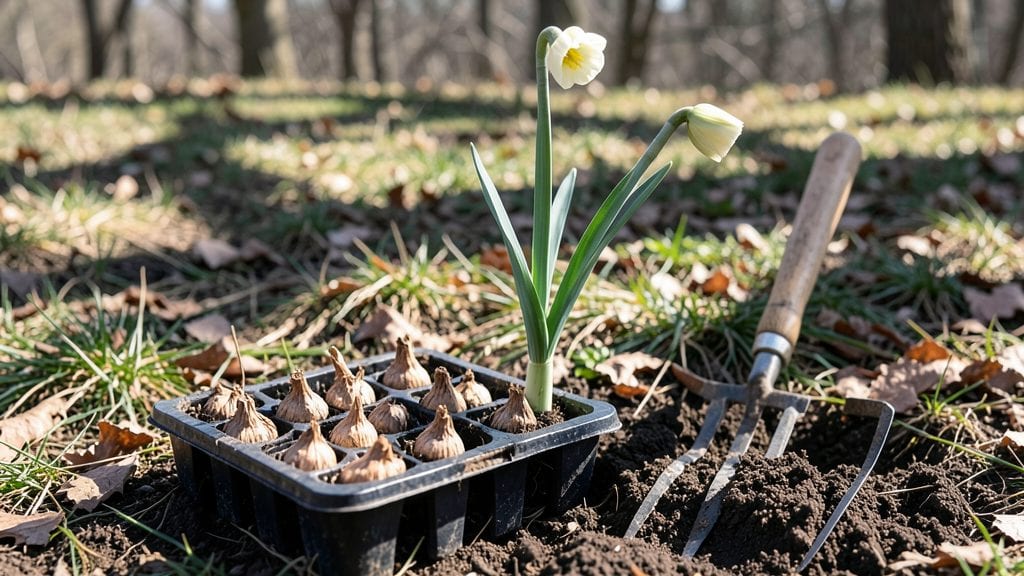
February gardening tasks aren't just about waiting for spring—they're your chance to outsmart frost and give cool-season crops a head start. 🌱 I remember the first time I planted peas in late February and watched them outpace the weeds by April.
The secret? Working with the cold rather than against it.
Start with soil prep: till in compost to warm the ground faster, and mark frost dates in your journal so you know when to plant spinach, lettuce, or hardy onions.
Prune dormant fruit trees and roses while they're still bare, and protect tender perennials with mulch if nights dip below 20°F. Even in containers, you can start seeds like broccoli or cabbage under grow lights.
By March, you'll see those early plantings transform into lush greens and sturdy seedlings—proof that February work pays off. The key is staying ahead of the frost clock while giving plants just enough warmth to thrive.
We've learned the hard way that rushing too soon means lost seedlings, but timing it right means a garden that's already productive when spring arrives.
Whether you're in Zone 4 or Zone 7, the same principles apply: protect, prepare, and plant strategically. Check your local frost dates, keep a moisture log, and you'll have a garden that's ready to explode when the last frost passes.
Here's how to make the most of these quiet winter weeks.
📚 In This Guide
- What you need
- Instructions
- Tips and common mistakes
- Wrapping up and next steps
What you need
- ● Garden gloves (2 pairs): Heavy-duty leather or waterproof for durability.
- ● Hand trowel (1): 6–8" stainless steel for precision digging.
- ● Pruners (1): Bypass pruners for clean cuts (sterilize with rubbing alcohol!).
- ● Garden fork (1): Sturdy, 12" for aerating soil.
- ● Wheelbarrow or bucket (1): 3–5 gallon capacity for hauling debris/soil.
- ● Rake (1): Bow rake for clearing leaves and leveling soil.
- ● Hose with adjustable nozzle (1): For watering and rinsing tools.
- ● Compost or aged manure (5–10 gallons): Improves soil fertility (look for well-rotted options!).
- ● Mulch (2–3 bags): Straw or shredded leaves (1–2" layer) to insulate soil.
- ○ Cold frames or row covers (optional): Protect tender seedlings from late frosts.
- ● Seed starting mix (1–2 bags): Lightweight, sterile blend for indoor sowing.
- ● Seed trays or pots (10–20): 2–4" deep with drainage holes.
- ● Plant labels (50+): Waterproof markers for tracking varieties.
- ● Soil thermometer: Check if soil is warm enough for planting (aim for <40°F for cold-hardy crops).
- ● Seedling heat mat: Speeds up germination indoors (70°F ideal).
- ● Organic fertilizer (e.g., fish emulsion): Boosts nutrients for early plantings.
- ● Knee pads or stool: For comfort during long prep sessions.
- ● Weatherproof calendar: Track frost dates and planting windows.
Step-by-Step February gardening tasks for frost-prone areas
Here's how to jumpstart your season without risking frost damage to tender plants.
🌱 Step 1: Plan and Prepare Cold-Hardy Crops
February is perfect for sowing seeds indoors or directly in the ground for frost-resistant plants like peas, spinach, and kale. I always check my local frost dates first—planting too early can leave seedlings vulnerable. Start with 1-2 seeds per cell in biodegradable pots for easy transplanting later.
Fill seed trays with sterile seed-starting mix and moisten it until damp but not soggy. Press seeds gently into the soil at a depth of about ½ inch—deeper planting delays germination. Place trays in a warm spot, like on top of the fridge, to maintain soil temperatures around 65-75°F for faster sprouting.
☀️ Step 2: Protect Outdoor Planting Areas
If you're planting directly outdoors, cover the soil with black plastic mulch or straw at least 2-3 weeks before the last frost date. This warms the soil faster and gives early crops a head start. I like to lay the mulch in strips, leaving space between rows for easy access when it's time to plant.
For delicate seedlings, use floating row covers or cloches to shield them from late frosts. These lightweight fabrics trap heat during the day and release it slowly at night, creating a microclimate that's 5-10°F warmer than the surrounding air. Check covers daily to prevent condensation buildup, which can invite mold.
🪴 Step 3: Start Hardening Off Seedlings
If you've already started seeds indoors, begin hardening them off in late February—about 2-3 weeks before transplanting outdoors. Start by placing seedlings in a sheltered spot outside for just 1-2 hours the first day. Gradually increase their time outdoors by 1 hour daily until they can tolerate a full day.
Watch for signs of stress like wilting or yellowing leaves—these mean they're not ready for longer exposure. Hardening off teaches seedlings to adjust to wind, sun, and temperature swings. I always move them back inside at night until they're fully acclimated, usually after 10-14 days.
✂️ Step 4: Prune and Clean Up Perennials
February is ideal for pruning dormant perennials like roses, shrubs, and fruit trees. I wait until after the worst cold snaps pass, then cut back dead or damaged branches with clean, sharp pruners. Remove any diseased wood immediately to prevent spreading spores to healthy plants.
For ornamental grasses and herbaceous perennials, cut back the previous year's growth to 3-4 inches above the ground. This encourages fresh, vigorous growth in spring. Avoid pruning spring-blooming plants like lilacs or azaleas—their flower buds form over winter, and cutting too early removes next season's blooms.
💧 Step 5: Test and Amend Soil
Take soil samples from your garden beds and send them to a local extension office for testing. Knowing your soil's pH and nutrient levels helps you plan amendments like compost, lime, or sulfur before planting. I usually aim for a pH of 6.0-7.0 for most vegetables and flowers.
While you wait for test results, add a 2-3 inch layer of compost to garden beds. This improves soil structure and provides slow-release nutrients. Avoid fresh manure—it can burn plants and introduce pathogens. Mix compost into the top 6 inches of soil lightly to avoid disrupting root systems.
Tips & tricks for perfect February gardening in frost-prone areas
A few strategic moves can make all the difference between thriving early plants and frost-bitten disappointments.
Soil Temperature Matters: That 65-75°F soil temperature range in Step 1 is crucial for germination. Use a soil thermometer to check—cooler soil slows sprouting dramatically. If your soil runs cold, consider using a seedling heat mat for 1-2 weeks until seeds germinate. I've seen germination times double when soil stays below 60°F.
Hardening Off Strategy: In Step 3, when you're increasing outdoor time by 1 hour daily, watch the sky! Cloudy days are gentler—use them for longer exposure. On sunny days, limit to morning hours only. I've lost seedlings to afternoon sunburn during this process, and it's heartbreaking to watch. Start with 1-2 hours in the shade, then gradually move to full sun.
Pruning Precision: When cutting back ornamental grasses in Step 4, leave those 3-4 inches of growth looking intentional. Use clean, sharp pruners and make cuts at a 45-degree angle just above a node or bud. This prevents water from pooling on the cut surface and encourages new growth. I always sterilize my pruners with rubbing alcohol between cuts to prevent disease spread.
Make-Ahead Move: You can prep your soil amendments in Step 5 up to 2 weeks in advance—just store them in a dry place. Mix compost and lime together in a wheelbarrow, then spread evenly over beds. This gives nutrients time to integrate with the soil before planting. For heavy clay soils, I add a 2-3 inch layer of coarse sand to improve drainage before mixing in compost.
Pro Tips for February Gardening Tasks
- A few strategic moves can make all the difference between thriving early plants and frost-bitten disappointments.
- Soil Temperature Matters: That 65-75°F soil temperature range in Step 1 is crucial for germination.
- Hardening Off Strategy: In Step 3, when you're increasing outdoor time by 1 hour daily, watch the sky!
Frequently asked questions
Got questions about tackling February gardening tasks?
You’re not alone! Here are answers to the most common queries about early-season prep, frost protection, and smart planting strategies for cold climates.
Can I start planting in February if there’s still frost?
Yes! February is perfect for cold-hardy crops like peas, spinach, and kale. Wait until the ground thaws (test with your finger—if it’s damp but not icy, you’re good) and cover seedlings with frost cloth or row covers at night. Hardy perennials and bare-root plants (like asparagus or rhubarb) can also go in now.
How do I protect tender plants from late frosts?
Use row covers, cloches, or cold frames to trap heat. For delicate seedlings, try black plastic mulch or straw blankets—they insulate roots. Avoid plastic directly on plants (it can burn leaves). Pro tip: Plant frost-sensitive veggies (like tomatoes) after your last average frost date (check your USDA zone map).
What’s the best way to prepare garden beds in freezing temps?
If the ground is frozen solid, skip digging—wait for thaw. Instead, add compost or aged manure to the surface and let it sink in with spring rains. Bonus: Use this time to plan your layout, sketch designs, or order seeds. For heavy clay soil, break up large chunks with a broadfork once workable.
Can I still prune fruit trees in February?
Dormant pruning
(when trees are bare) is ideal for most fruit trees (apples, peaches, etc.). Prune before buds swell to reduce disease risk and shape the tree. Warning: Avoid pruning stone fruits (cherries, plums) in late winter—they’re prone to silver leaf fungus. Do it in early February instead.
What if my soil is too wet or muddy to work?
Don’t force it! Wet soil compacts easily, smothering roots. Wait for a dry spell or improve drainage by amending beds with compost + coarse sand. For now, focus on indoor tasks: seed-starting, cleaning tools, or repairing raised beds. Pro tip: Walk on planks or tarps to avoid trampling soil when you can work.
Is February a good time to fertilize?
Lightly fertilize perennials and lawns in early February (use a balanced 10-10-10 or slow-release formula). For veggies, hold off until planting—over-fertilizing now can encourage weak growth. Exception: Apply compost or worm castings to beds anytime for long-term soil health.
Still unsure? Drop your zone or plant type in the comments—we’re happy to help!
Wrapping up and next steps
February is your chance to beat the frost and set the stage for a thriving garden! By tackling early planting, soil prep, and protective measures now, you’ll give your plants a head start—even in chilly climates. Don’t wait for spring to bloom; take action today!
🌱 Your Next Step:
Start small—pick one task from this list to try this week, like sowing cold-hardy seeds or building a mini greenhouse. Need inspiration? Browse our February planting calendar for zone-specific tips. Happy gardening—your future harvest is waiting! 🌿