
Size
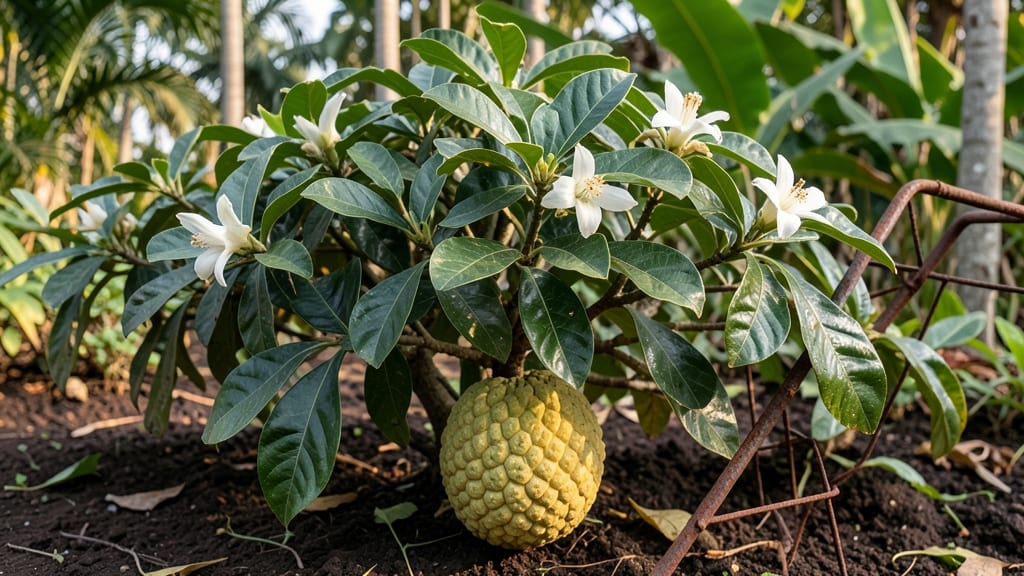
Growing sugar apple in your garden means embracing its tropical roots—these trees adore heat and humidity, mimicking their native habitats in Central America and Southeast Asia. 🌿 Their glossy evergreen leaves and slow growth rate are classic tropical traits, but don't let that fool you into thinking they're high-maintenance.
With the right approach—like using well-draining soil mixes and providing afternoon shade in extreme heat—you can coax these beauties to fruit even in cooler climates.
The real secret lies in their care during off-seasons. Sugar apple trees despise cold drafts, so container growers must bring them indoors before the first frost. I've found that keeping them near south-facing windows or under grow lights during winter keeps them thriving.
And here's a pro tip: these trees flower on new growth, so a little late-winter pruning can encourage better fruiting cycles the following season.
💡 In This Article
- Tropical Fruit Characteristics of Sugar Apple Trees
- Growing Sugar Apple in Non-Tropical Gardens
Tropical fruit characteristics of sugar apple trees
Sugar apple trees exhibit classic tropical botanical traits that define their cultivation needs. Their glossy, evergreen leaves (similar to avocado trees) help them conserve moisture in humid environments, while their slow growth rate (about 1-2 feet per year) reflects their adaptation to stable, warm climates.
These trees thrive in USDA zones 10-12, where temperatures rarely drop below 40°F, mirroring their native habitats in Central America, the Caribbean, and Southeast Asia.
Their flowering cycles are another tropical clue—sugar apple trees produce fragrant, white flowers that bloom on new growth, typically in spring or summer. This means they need consistent warmth (ideal daytime temps of 75-85°F) to trigger blooming.
The fruit itself forms from these flowers and requires 6-8 months to mature, explaining why cooler climates struggle with fruiting. Their roots also prefer slightly acidic soil (pH 5.5-6.5), similar to other tropical fruits like guava or lychee.
What makes them truly tropical is their humidity dependency. Sugar apple trees need 60-80% relative humidity—dry air causes leaf drop and stunted growth. In their native rainforests, they receive 100+ inches of rainfall annually, so gardeners must mimic this with regular misting or indoor humidity trays.
Their thin bark and delicate branches also mean they can't tolerate frost, which is why container cultivation becomes essential in cooler zones.
Here's what their tropical nature means for your garden: they demand full sun exposure (6-8 hours daily) but with afternoon shade in extreme heat (above 90°F) to prevent leaf scorch. Their shallow root systems require well-draining soil mixes—think 50% potting soil, 30% perlite, 20% compost—to prevent root rot.
The combination of these factors explains why sugar apple trees are often grown as container specimens in non-tropical areas.
Interestingly, their flowering mechanism offers a cultivation hack: pruning in late winter encourages new growth, which then produces flowers. This works because sugar apple trees are monoecious—each tree has both male and female flowers, but only the female flowers develop into fruit.
The key is maintaining consistent warmth during this critical growth period, which is why indoor grow lights become invaluable in winter for container-grown trees.
Understanding these tropical traits helps explain why sugar apple trees struggle in USDA zones below 9. Their sensitivity to temperature fluctuations and need for high humidity make them perfect for greenhouse cultivation or as patio plants in warmer months.
The good news? With the right container setup and seasonal adjustments, you can successfully grow this tropical fruit even in cooler climates.