
Diseases
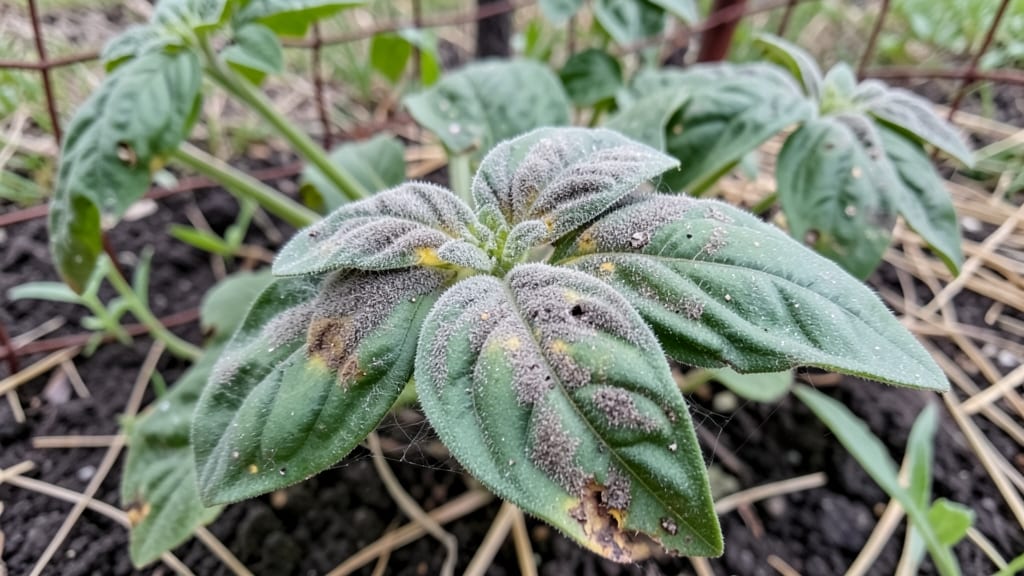
Mold in garden beds isn’t just unsightly—it’s a silent thief of plant health, turning vibrant foliage into a sad, slimy mess. 🌱 I’ve lost entire batches of seedlings to that fuzzy gray blanket, and I learned the hard way that waiting too long means throwing out plants instead of saving them.
The good news? Most cases are fixable with simple adjustments to airflow, watering habits, and a few organic tricks up your sleeve.
Excess moisture and poor drainage are the usual culprits, especially in humid climates or shaded spots where air stalls. I’ve seen mold thrive in pots with no drainage holes, under dense mulch layers, and even on leaves that stay damp overnight.
The key is breaking that moisture cycle—whether by spacing plants wider, switching to wicking mulch, or watering earlier in the day so foliage dries faster. Think of it like giving your garden a breath of fresh air.
You’ll start seeing improvement within days of making these changes: less fuzzy growth, healthier stems, and plants that bounce back instead of wilting. For stubborn cases, a mix of baking soda spray (1 teaspoon per quart of water) or neem oil can work wonders without harsh chemicals.
The goal isn’t just to stop the mold—it’s to create an environment where your plants stay strong enough to fight it off naturally.
Seasonal tweaks matter too—spring and fall are peak mold seasons, but winter’s damp air can be just as tricky. If you’re in a humid zone, consider raised beds with gravel bases or drip irrigation to keep foliage dry.
The right approach depends on your setup, but the payoff—lush, mold-free plants—is worth the effort. Let’s get your garden back to thriving.
Root Causes of Garden Mold
Mold in your garden isn’t just an eyesore—it’s a sign that your plants are battling unseen forces. Understanding the why behind mold growth is the first step to stopping it before it spreads. Let’s break down the science and uncover the real culprits lurking in your soil, leaves, and air.
Mold thrives in damp conditions because it relies on water to reproduce. When moisture lingers—whether from rain, overwatering, or poor drainage—spores germinate and spread like wildfire. Here’s how it happens:
- Poor Air Circulation: Dense foliage or tightly packed plants trap humidity, creating a greenhouse effect. Without airflow, water evaporates slowly, keeping surfaces wet for days. - Overwatering: Plants need water, but soggy soil suffocates roots and invites mold.
If your garden stays damp for more than 24 hours, you’re in the danger zone. - Irrigation Mistakes: Sprinklers that wet leaves (instead of soil) leave droplets that sit until evaporation. Drip irrigation is safer, but even that can cause issues if overused.
Pro Tip: 💡 Test your soil’s moisture by squeezing a handful—if water drips out, you’re overdoing it. Aim for soil that’s damp but not soggy.
Mold feeds on decaying plant matter, so piles of leaves, mulch, or dead plants act like an all-you-can-eat buffet.
Common offenders include: - Leaf Litter: Wet leaves smother grass or soil, trapping moisture and nutrients for mold. - Old Mulch: As mulch breaks down, it creates a thick, damp layer—perfect for fungal growth. - Pruned Plant Clippings: Left in piles, they decompose rapidly, releasing heat and moisture that mold loves.
Action Step: ✂️ Clear away debris regularly, especially after storms or pruning. Compost only small amounts of dry, chopped material—never wet or diseased plant waste.
Mold spores need warmth (60–80°F) and stagnant air to activate.
Greenhouses, shaded areas, and dense plantings create these conditions: - Greenhouse Effect: Plastic covers or thick canopies trap heat and humidity, accelerating mold growth. - Low Sunlight: Shady spots stay cooler and damper longer, slowing evaporation. - Nighttime Dew: Condensation on leaves in the morning leaves them wet for hours.
Fix It: 🌞 Improve airflow with pruning or spacing plants 12–24 inches apart. Use reflective mulch or raised beds in shady areas to reduce moisture buildup.
Stressed plants can’t fight mold.
Common triggers include: - Nutrient Deficiencies: Lack of nitrogen or phosphorus weakens cell walls, making plants vulnerable. - Pests or Diseases: Bug bites or viral infections create entry points for mold spores. - Transplant Shock: Newly planted or recently moved plants are more susceptible until their roots establish.
Prevention: 🌿 Feed plants with balanced fertilizer (10-10-10 or compost tea) and monitor for pests. Quarantine new plants for a week to spot early signs of stress.
Key Takeaway: Mold isn’t random—it’s the result of moisture + food + warmth + poor airflow. Address one or more of these, and you’ll disrupt mold’s life cycle before it starts. Next up: How to Outsmart It with science-backed fixes.
Quick Fixes for Fungal Foes
Mold and mildew in your garden aren’t just unsightly—they can strangle your plants before they even get a chance to thrive. But don’t panic! With the right approach, you can reverse the damage and keep your garden healthy for seasons to come.
Below, we break down the most common causes of mold and the practical, step-by-step solutions to tackle them—plus tips to stop future outbreaks.
Problem: Too much moisture (from overwatering, heavy soil, or no drainage) creates the perfect breeding ground for mold. Roots suffocate, leaves yellow, and fuzzy green or black spots take over.
How to Fix It:
- 🔥 Stop Watering Immediately
- Let the soil dry out completely before watering again. Stick your finger 2 inches deep—if it’s damp, wait.
- 🍳 Improve Soil Drainage
- Mix in coarse sand, perlite, or compost to loosen heavy clay soil. Aim for soil that drains within 1-2 hours after watering.
- 👨🍳 Rethink Your Watering Schedule
- Water deeply but infrequently—early morning (before 10 AM) is best. Avoid overhead sprinklers; use drip irrigation or soaker hoses instead.
- ⏰ Elevate Problem Areas
- For container plants, ensure pots have drainage holes. Add a layer of gravel or broken pottery at the bottom to prevent soggy roots.
💡 Pro Tip: If your garden has low spots, consider raised beds or berm grading to redirect water flow away from plant bases.
Problem: Shady, cramped spaces trap humidity and block airflow, giving mold a free pass. Fungal spores thrive in stagnant air, leading to powdery mildew or black spot on leaves.
How to Fix It:
- 🌿 Prune for Better Airflow
- Trim back overgrown branches and crowded plants to allow sunlight and air to circulate. Aim for 3-4 inches of space between plants.
- 🔪 Thin Out Mulch
- Mulch is great, but too much (especially thick layers) traps moisture. Keep it 2-3 inches deep and pull it back 6 inches from plant stems.
- 🌡️ Boost Sunlight Exposure
- If possible, rotate plants to give them more sun. For shaded gardens, choose mold-resistant varieties like:
- Vegetables: Swiss chard, kale, radishes
- Flowers: Snapdragons, marigolds, zinnias
- If possible, rotate plants to give them more sun. For shaded gardens, choose mold-resistant varieties like:
- ✨ Add Windbreaks (Strategically!)
- A light lattice fence or bamboo screen can improve airflow without blocking sunlight. Just avoid blocking breezes entirely.
Problem: Leaves, grass clippings, and old plant debris pile up, creating a moldy mulch that spreads spores. This is especially true in fall and spring, when organic matter decomposes fastest.
How to Fix It:
- 🔥 Remove Debris Immediately
- Rake up fallen leaves, dead plants, and weeds and compost them properly (or bag them for trash if moldy). Never leave them piled near plants.
- 🍳 Use "Brown" Mulch Wisely
- Instead of fresh grass clippings (which mat down and rot), opt for:
- Shredded bark
- Straw
- Wood chips (avoid cedar—it’s too acidic)
- Instead of fresh grass clippings (which mat down and rot), opt for:
- 👨🍳 Disinfect Tools & Surfaces
- Clean gardening tools, pots, and trellises with a 1:10 bleach-water solution (or 70% isopropyl alcohol) to kill lingering spores.
- ⏰ Schedule a "Mold Cleanout"
- Twice a year (spring and fall), do a deep clean:
- Remove old mulch and replace with fresh.
- Scrub moldy leaves off plants with a soapy water spray (1 tsp mild soap per gallon of water).
- Twice a year (spring and fall), do a deep clean:
Problem: High humidity (common in greenhouses, conservatories, or rainy climates) turns your garden into a fungal paradise. Even healthy plants can’t fight off mold in these conditions.
How to Fix It:
- 💡 Use a Dehumidifier (Indoors)
- Keep humidity below 60% in greenhouses or potting sheds. A small portable dehumidifier (like a Levoit LV600) works well for small spaces.
- 🌿 Add Mold-Resistant Plants
- Swap susceptible plants (like roses or impatiens) for drought-tolerant or fungal-resistant varieties:
- Herbs: Rosemary, thyme, oregano
- Flowers: Petunias, geraniums, lavender
- Swap susceptible plants (like roses or impatiens) for drought-tolerant or fungal-resistant varieties:
- ✨ Improve Ventilation
- Install roof vents, exhaust fans, or openable walls in greenhouses. Even a simple oscillating fan can reduce humidity by circulating air.
- 🍂 Adjust Watering Times
- Water late in the day (after 4 PM) so foliage has time to dry before nighttime humidity spikes.
Once you’ve tackled the existing mold, lock it out with these long-term strategies:
| Do This | Avoid This |
|---|---|
| ✅ Water at the base (not leaves) | ❌ Overhead sprinklers |
| ✅ Use drip irrigation | ❌ Watering in the evening |
| ✅ Space plants properly (3-4" apart) | ❌ Overcrowding |
| ✅ Choose resistant varieties | ❌ Planting susceptible species in shady spots |
| ✅ Rotate crops annually | ❌ Planting the same family in the same spot |
| ✅ Test soil pH (aim for 6.0-7.0) | ❌ Ignoring soil health |
Final Thought: Mold doesn’t stand a chance when your garden has good airflow, proper drainage, and smart watering habits. Start with one or two fixes from above, monitor your plants closely, and soon you’ll have a lush, mold-free oasis—without the fuss! 🌿✨
Frequently asked questions
What does garden mold look like, and how do I tell it apart from harmless soil?
Garden mold typically appears as fuzzy green, black, or gray patches on soil, leaves, or mulch. Unlike regular soil, it grows in clumps and spreads rapidly when damp. Check for musty smells—a sure sign of active mold. Healthy soil has a crumbly texture, while moldy soil feels slimy and may repel water.
Can I still use plants affected by mold, or should I remove them entirely?
Remove heavily mold-covered plants immediately to prevent spores from spreading. For lightly affected plants, trim moldy leaves and treat with a baking soda spray (1 tsp per quart of water). If roots are mushy or black, discard the plant—mold can linger in the soil and reinfect others.
How often should I clean my garden tools to prevent mold spread?
Clean tools after every use, especially if they’ve touched moldy plants. Scrub with a 1:10 bleach-water solution or 70% isopropyl alcohol, then rinse and dry thoroughly. Store tools in a dry place—never leave them in damp sheds or covered containers where spores can hitchhike.
Are there any plants that naturally repel mold?
Yes! Plant marigolds, lavender, oregano, or thyme near susceptible plants—their strong scents deter fungal spores. Garlic and chives also help when planted nearby. These "guardian plants" improve airflow and release antimicrobial compounds, making your garden less inviting to mold.
Will mulch always cause mold if I don’t remove it?
Not necessarily—thin layers (2-3 inches) of dry mulch (like straw or wood chips) actually prevent mold by reducing soil moisture. The problem occurs when mulch gets too thick or stays wet. Pull it back 6 inches from plant stems and avoid piling it against fences or walls where air can’t circulate.