
Diseases
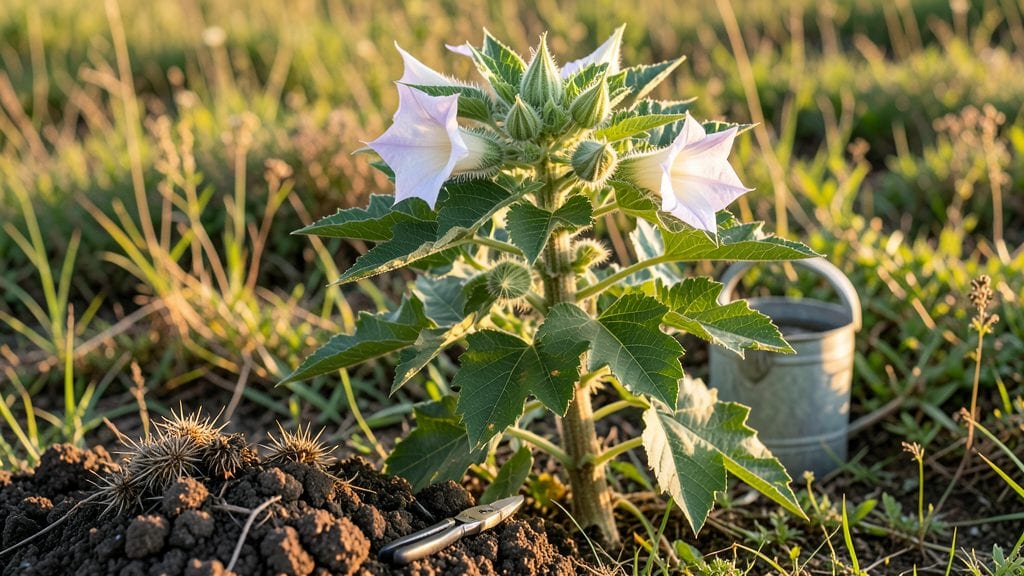
You can’t typically get scabies from gardening since the mites need human skin to survive, but contaminated tools, shared equipment, or contact with infected animals can still spread the infection. Always disinfect gardening tools and wash hands thoroughly after working outdoors.
Scabies mites (Sarcoptes scabiei) rely on human skin for survival, making direct skin-to-skin contact the primary transmission route.
However, these parasites can linger briefly on fabrics or tools, creating rare opportunities for indirect spread. 🔥 For gardeners, the real risk comes from shared gloves, borrowed tools, or accidental contact with infected pets—especially stray animals.
Unlike soil-borne pathogens, scabies mites don’t thrive in garden soil, but proper hygiene remains critical to prevent any potential exposure.
Beyond scabies, gardening exposes you to other skin irritants like fungal spores or plant sap allergens. To stay safe, I recommend wearing disposable gloves, sanitizing tools with rubbing alcohol, and showering after handling soil or animals.
If you notice persistent itching or rashes post-gardening, consult a dermatologist promptly—early treatment prevents scabies from becoming a long-term issue.
💡 In This Article
- How Scabies Mites Spread Beyond Human Skin
- Gardening Safety: Preventing Scabies and Other Skin Parasites
How scabies mites spread beyond human skin
Scabies mites (Sarcoptes scabiei) have evolved to depend almost entirely on human hosts for survival, with their entire lifecycle—egg, larva, nymph, and adult—occurring beneath the skin's surface.
These microscopic parasites burrow into the epidermis, where they feed on skin cells and lay eggs, completing their cycle in about 3-4 weeks.
The mites themselves are roughly 0.3-0.4 millimeters long, making them nearly invisible to the naked eye, but their presence triggers intense itching as an immune response to their waste products and saliva.
While soil isn't a natural habitat, mites can survive briefly outside a human host—typically for 24-48 hours—on fabrics, tools, or other fomites (inanimate objects). This limited survival time explains why gardening itself poses minimal risk: mites can't burrow into soil or plants.
However, contaminated gardening tools like pruners, trowels, or shared gloves can harbor mites if they've recently come into contact with an infected person. The key factor here is direct contact with contaminated surfaces, not the soil itself.
Animals play a surprising role in scabies transmission. While pets like dogs and cats can host their own scabies mite variants (which don't typically infect humans), stray or wild animals—especially those with skin lesions—can carry human-adapted mites.
A gardener touching an infected animal's fur and then scratching their face or arms without washing hands creates a direct transmission pathway.
The mites can't jump or fly, but they can hitch rides on clothing or tools, explaining why shared equipment in community gardens poses a higher risk than solitary gardening.
Temperature and humidity also influence mite survival. Scabies mites thrive in the 86-95°F range, which is why they prefer human skin. Outside this environment, they become inactive within hours. This is why soil—often cooler and drier than human skin—isn't a reservoir for scabies.
However, damp fabrics like gardening gloves or towels can extend mite survival slightly, making proper laundering (130°F water) critical for prevention.
Here's what most people don't realize: scabies mites can't complete their lifecycle outside human skin, meaning they'll die if they can't find a new host within days. This biological limitation is why gardening alone rarely transmits scabies—unless you're handling contaminated tools or fabrics.
The real risk comes from indirect contact chains, like touching a shared tool used by someone with active scabies, then touching your face before washing your hands.
For comparison, consider how other parasites behave: hookworm larvae can penetrate skin from contaminated soil, but scabies mites lack this capability. Their entire survival strategy revolves around human hosts, which is why they're classified as obligate parasites.
This biological specialization explains why scabies spreads through close contact rather than environmental exposure.