
Container Gardens
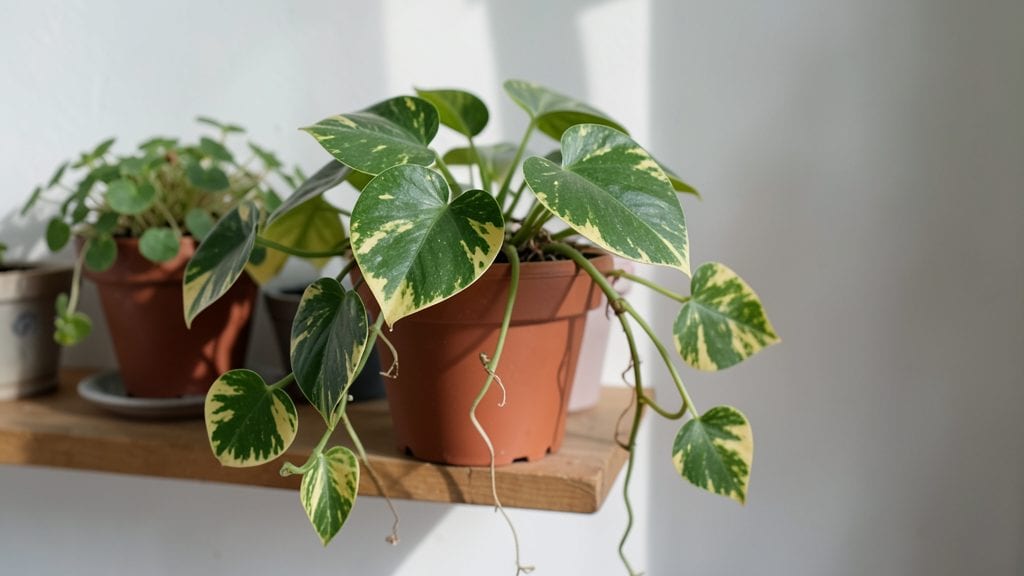
Bringing the charm of indoor apartment gardens to life begins with smart choices that maximize every square inch of your tiny space. I turned my 4x6-foot concrete slab into a fragrant herb oasis and a mini vegetable patch—no green thumb required.
The key? Matching plants to sunlight, using vertical space like never before, and keeping it simple enough to enjoy without guilt.
You’ll need just a handful of supplies: lightweight containers with drainage, a sturdy shelf or wall planters for vertical growth, and a basic grow light if your balcony gets less than 6 hours of sun.
I swear by self-watering pots for herbs and cherry tomatoes—they stay consistently moist without the fuss of daily watering. Even in a cramped space, you can grow enough basil, lettuce, and peppers to snack on fresh greens all summer.
The results are shockingly lush for such a small area. Picture snipping fresh cilantro for tacos, harvesting cherry tomatoes that burst with flavor, and watching your snake plant reach for the ceiling.
This isn’t just about plants—it’s about turning concrete into a green retreat where you can unwind with a cup of tea and actual living things around you. The best part? You’ll actually use what you grow instead of letting it wilt in a grocery bag.
Works for any balcony size, from fire escapes to rooftop patios. Whether you’re dealing with morning sun or afternoon shade, we’ll cover how to pick the right plants and arrange them for maximum impact. Let’s make that small space feel like a jungle escape—without the bugs or the humidity.
📚 In This Guide
- What you need
- Instructions
- Tips and common mistakes
- Wrapping up and next steps
What you need
- ● Containers: 3–5 medium-sized pots (6–12 inches in diameter) with drainage holes. Tip: Use lightweight materials like terracotta or fabric grow bags.
- ● Potting Mix: 1–2 bags of high-quality, well-draining container mix (avoid garden soil—it compacts!).
- ● Drainage Tray: 1–2 shallow trays to catch excess water.
- ● Seeds or Seedlings: Choose fast-growing, compact varieties like basil, cherry tomatoes, or lettuce. Pro tip: Start with seedlings if you’re new!
- ● Watering Can or Spray Bottle: A gentle watering tool to avoid over-saturating soil.
- ● Fertilizer: Slow-release granules or liquid fertilizer (balanced 10-10-10 or organic options).
- ● Sunlight Solution (if needed): Grow Lights: LED clip-on lights (for <6 hours of sunlight/day).
- ● Reflective Surfaces: Mirrors or white walls to bounce light.
- ● Decorative Elements: Painted pots, pebbles, or mosaic tiles for a cute aesthetic.
- ● Soil Moisture Meter: To track water needs without guesswork.
- ● Herb Scissors or Pruners: For easy harvesting and trimming.
- ● Vertical Planters: Wall-mounted pockets or trellises to maximize space.
- ● Compost or Worm Castings: Boost soil health naturally.
Step-by-Step instructions for creating a sunny balcony oasis in small spaces
Transform your balcony into a vibrant retreat with these simple, space-saving techniques.
Assess Sunlight and Choose the Right Containers
First, observe your balcony's light patterns throughout the day. Most plants need at least 6 hours of sunlight, but even 3-4 hours works for shade-tolerant varieties like ferns or peace lilies. I recommend starting with 4-6 containers—mix hanging pots, window boxes, and vertical planters to maximize space. Terra cotta pots work well for herbs and succulents, while plastic containers retain moisture better for leafy greens.
Place containers where they’ll catch the most light—south or west-facing spots are ideal. If your balcony gets harsh afternoon sun, opt for self-watering pots to prevent drying out. Avoid placing pots directly on concrete without saucers; the heat can cook roots. Instead, use feet or trays to elevate them slightly and allow airflow underneath.
Select Compact, High-Yield Plants for Small Spaces
Choose plants that thrive in containers and fit your light conditions. For sunny spots, try basil, chives, or dwarf tomatoes—they grow well in 6-inch pots and produce abundantly. In partial shade, parsley, mint, or strawberries are great choices. I always pick dwarf or bush varieties to save space; they won’t outgrow their containers as quickly as vining plants.
Check the mature size of each plant before buying. A 6-inch pot might only hold a small tomato bush or a single herb plant, while a 12-inch pot can accommodate larger leafy greens like kale or Swiss chard. If you’re growing edibles, select fast-maturing varieties to enjoy harvests sooner. Avoid plants that spread aggressively, like regular mint, unless you’re using a contained planter.
Prepare Soil and Plant with Proper Spacing
Use lightweight potting mix (not garden soil) to ensure good drainage and aeration. I like to mix in a slow-release fertilizer to give plants a nutrient boost right from the start. Fill containers 1 inch below the rim to prevent spills when watering. Press the soil down gently to remove air pockets but don’t compact it too tightly—roots need room to grow.
Plant seeds or seedlings at the correct depth—usually twice the diameter of the seed or to the same level they were in their nursery pot. Space plants according to their mature size: 6 inches apart for herbs, 12 inches apart for leafy greens, and 18 inches apart for tomatoes. Overcrowding leads to competition for nutrients and increases the risk of disease. Water thoroughly after planting to settle the soil and remove any air gaps around the roots.
Water and Maintain for Consistent Growth
Water deeply when the top inch of soil feels dry—this encourages roots to grow downward instead of staying shallow. Most balcony plants need watering every 2-3 days in warm weather, but adjust based on your containers and climate. I water in the morning so excess moisture can evaporate during the day. Avoid wetting the leaves, especially in sunny spots, to prevent fungal issues like powdery mildew.
Fertilize every 4-6 weeks with a balanced liquid fertilizer to keep plants thriving. If you notice yellowing leaves, it’s often a sign of overwatering or nutrient deficiency—check the soil moisture and adjust accordingly. Prune regularly to encourage bushier growth and remove any dead or damaged foliage. For edibles, harvest leaves or fruits as soon as they’re ready to promote continuous production.
Extend the Season with Simple Adjustments
To keep your balcony garden going year-round, protect plants from frost and cold drafts with frost cloth or move containers indoors when temperatures drop below 40°F. In winter, reduce watering frequency since plants grow slower. If your balcony gets too cold, focus on cold-hardy plants like kale, spinach, or pansies that can tolerate cooler temperatures.
Rotate containers occasionally to ensure even growth toward the light. If you notice leggy or weak plants, they’re likely not getting enough light—consider adding a small grow light for 12-14 hours a day if natural light is limited. With a little care, your balcony oasis will stay lush and productive, no matter the season.
Tips & tricks for perfect indoor apartment gardens
A few simple strategies will help you maximize your small space and keep your balcony garden thriving all season long.
Container Placement: In Step 1, when assessing sunlight, remember that containers placed on the floor can block airflow underneath. I've found that using small feet or trays elevates pots just enough to allow air circulation while preventing heat buildup from concrete surfaces. This simple adjustment can prevent root rot, especially in terra cotta pots that dry out quickly. For herbs like basil in sunny spots, this elevation also helps prevent water pooling during heavy rains.
Light Requirements: The 6 hours of sunlight mentioned in Step 1 is a general guideline, but your plants will tell you what they need. If you notice leggy growth or weak stems after a few weeks, your plants are stretching toward light. This is your cue to either move containers to a sunnier spot or supplement with a small grow light for the recommended 12-14 hours per day. I've seen dwarf tomatoes produce twice as many fruits when given this extra light boost during cloudy periods.
Plant Selection: When choosing plants in Step 2, pay special attention to mature size labels. A 6-inch pot might seem spacious, but a tomato plant labeled "bush variety" can still reach 3 feet tall. I always check the plant tag for mature height and spread measurements - this helps me visualize how they'll look together. For example, parsley stays compact at 12 inches tall, while chives can reach 18 inches. This careful selection prevents overcrowding that leads to poor air circulation and disease.
Seasonal Adjustments: The 40°F temperature threshold in Step 5 is crucial for winter care. I've learned that moving containers indoors during cold snaps doesn't mean they need to stop growing. Many herbs like mint and parsley continue growing slowly indoors near a sunny window. Just reduce watering to every 5-7 days since indoor air is typically drier, and avoid fertilizing during this transition period to let plants adjust.
Pro Tips for Indoor Apartment Gardens
- A few simple strategies will help you maximize your small space and keep your balcony garden thriving all season long.
- Container Placement: In Step 1, when assessing sunlight, remember that containers placed on the floor can block airflow underneath.
- Light Requirements: The 6 hours of sunlight mentioned in Step 1 is a general guideline, but your plants will tell you what they need.
Frequently asked questions
Got questions about creating your own indoor apartment garden?
Here are some of the most common ones—and their answers—to help you get started with confidence!
What are the best low-light plants for an indoor apartment garden?
If your space lacks natural sunlight, opt for low-light champions like snake plants, ZZ plants, pothos, or cast iron plants. These thrive in indirect light and require minimal care. Place them near north-facing windows or under grow lights for optimal growth.
How often should I water my indoor plants?
Watering needs vary by plant, but a general rule is to check soil moisture first. Stick your finger 1-2 inches into the soil—if it’s dry, water thoroughly. Most indoor plants prefer moderate moisture but hate soggy roots. Overwatering is a common killer, so less is often more!
Can I grow herbs or vegetables indoors?
Herbs like basil, mint, and parsley
thrive in small pots with sunlight. For veggies, try leafy greens (spinach, kale) or microgreens—they grow quickly in containers. Use a sunny windowsill or LED grow lights for best results.
How long does it take to see results in an indoor garden?
Results depend on the plant and conditions, but you’ll often see new growth in 2-4 weeks with proper care. Fast growers like herbs may show signs in 1-2 weeks, while slower plants (like succulents) take longer. Patience pays off—consistency is key!
Do I need grow lights if my apartment doesn’t get much sunlight?
Not always! If your space has bright, indirect light, you may skip grow lights. But for dark corners or winter months, a LED grow light (6-12 hours/day) can mimic sunlight. Budget options like clip-on lights work well for small setups.
Wrapping up and next steps
Creating an indoor apartment garden is more than just a trend—it’s a refreshing way to bring nature into your living space, no matter how small.
Whether you’re growing herbs on a windowsill, cultivating lush succulents, or transforming a balcony into a thriving oasis, the key is to start small, stay consistent, and let your green thumb grow! 🌱
Ready to turn your space into a vibrant retreat? Pick one plant or project today—your future self (and your plants!) will thank you. Happy gardening! 🌿