
Tools
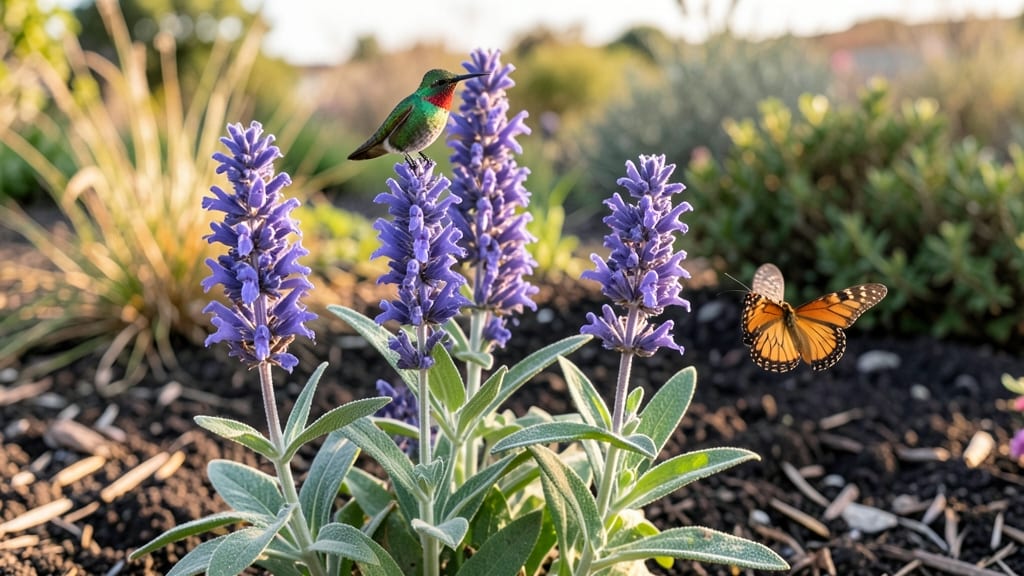
A hummingbird-friendly garden isn't just about flowers—it's about creating a lifeline for these tiny, iridescent acrobats. 🌸 I've watched my backyard transform from a quiet corner into a hummingbird hotspot, where they dart between blooms like living jewels.
The key lies in understanding what they truly need: nectar-rich flowers that bloom in waves, year-round water sources, and shelter from predators.
You don't need acres or rare plants—just a few strategic choices. Native perennials like bee balm and trumpet vine provide nonstop nectar, while annuals like fuchsia and salvia fill seasonal gaps.
A shallow water feature with dripping rocks becomes their oasis, and dense shrubs offer safe perches. Even a small balcony can work with the right containers and placement.
By summer's end, you'll see them hovering, feeding, and even nesting nearby. The garden hums with life—not just from the birds, but from the bees and butterflies that follow.
Every bloom becomes a tiny refueling station, and the air fills with their high-pitched chirps as they race from flower to flower.
This approach works in any climate, from deserts to rainforests. The secret is matching plants to your region's natural blooming cycles. Let's turn your space into a haven where hummingbirds linger all year long.
📚 In This Guide
- What you need
- Instructions
- Tips and common mistakes
- Wrapping up and next steps
What you need
- ● Native flowering plants (5–10 varieties): Red or tubular flowers (e.g., Salvia, Penstemon, Bee Balm) – 3–5 plants per type
- ● Year-round bloomers (e.g., Fuchsia, Columbine) – 2–3 plants
- ● Perennials (e.g., Trumpet Honeysuckle, Butterfly Bush) – 1–2 plants
- ● Hummingbird feeders: 1–2 (preferably red, 12 oz capacity)
- ● Nectar solution: 4 parts water + 1 part sugar (no dye!)
- ○ Soil amendments: Compost (1–2 bags) + perlite/vermiculite (optional, for drainage)
- ● Garden tools: Trowel or hand shovel
- ● Pruning shears (for shaping plants)
- ● Garden gloves (to protect your hands)
- ○ Optional but helpful: Drip irrigation system (to keep plants hydrated)
- ● Perches (e.g., thin branches or feeder hooks for resting)
- ● Pebbles or mulch (to deter ants from feeders)
- ● ✨ Plant in clusters: Group flowers by color to create "traffic lights" (red, orange, yellow) for easy navigation.
- ● 🌡️ Avoid pesticides: Hummingbirds are sensitive—opt for organic pest control.
- ● 🔥 Feeders 101: Clean feeders weekly with a 1:4 vinegar-water mix to prevent mold.
Step-by-Step instructions for creating a hummingbird-friendly garden
Let's design a space where these tiny, iridescent visitors feel right at home.
🌱 Step 1: Choose the Perfect Plant Palette
Focus on native flowering plants that provide year-round blooms in red, orange, or pink hues—hummingbirds are drawn to these colors like a magnet. Include a mix of early spring bloomers like columbine and bleeding heart, summer favorites such as bee balm and salvia, and late-season options like goldenrod and asters. I always plant at least three different species to ensure continuous nectar production.
Space plants 12-18 inches apart to allow for airflow and easy access. Group them in clusters of 3-5 plants to create visual "landing zones" that hummingbirds can easily spot from a distance. Avoid overcrowding—hummingbirds need room to dart between flowers without getting tangled in foliage.
☀️ Step 2: Position for Sunlight and Shelter
Hummingbirds need full sun to partial shade—most species thrive in areas with at least 4-6 hours of direct sunlight daily. Place your garden in a spot that gets morning sun and afternoon shade if your climate is hot, or full sun if you're in a cooler region. I position mine near a south-facing fence or wall to catch the most light while providing a natural perch.
Add sheltered spots like dense shrubs or a small evergreen tree nearby. Hummingbirds use these for quick rest stops between feeding sessions. Avoid placing feeders or plants in open, windy areas—hummingbirds dislike strong gusts, which can make it difficult for them to hover efficiently.
💧 Step 3: Add Water Sources for Hydration
Hummingbirds need fresh water daily, not just for drinking but for bathing. Install a shallow birdbath with a sandy or pebbled bottom—this gives them a safe place to perch while drinking. I like to place mine on a low platform (like a flat rock or saucer) so they don’t feel exposed. Keep the water clean and shallow, no deeper than 1 inch, to prevent drowning.
Add a dripper or small fountain near the bath to create movement—hummingbirds are curious and love the sound of running water. Refresh the water every 2-3 days to prevent algae buildup, which can deter visitors. Place the water source within 10 feet of feeding areas so they don’t have to travel far for a drink.
✂️ Step 4: Maintain Blooms and Keep Pests Away
Deadhead spent flowers weekly to encourage new blooms and extend the season. Hummingbirds rely on continuous nectar, so don’t let flowers go to seed before they’ve had a chance to feed. I always check for wilted or brown blooms first thing in the morning—removing them early ensures the plant redirects energy to fresh growth.
Use organic pest control like neem oil or insecticidal soap to protect flowers from aphids and mites, which can weaken plants and reduce nectar production. Avoid chemical pesticides—they can harm hummingbirds if ingested. Prune leggy or overgrown stems in early spring to promote bushier growth and more blooms.
🪴 Step 5: Add Hummingbird Feeders (Optional but Encouraged)
If you want to boost activity immediately, add 1-2 hummingbird feeders filled with a 1:4 sugar-water ratio (1 part white sugar to 4 parts water). Boil the water first to kill bacteria, then let it cool before mixing. Never use honey, artificial sweeteners, or red dye—hummingbirds don’t need them, and they can be harmful.
Hang feeders 5-10 feet off the ground near plants but away from high-traffic areas. Clean feeders weekly with hot water and vinegar to prevent mold and bacterial growth. Start with one feeder and observe where hummingbirds prefer to feed—you might need to adjust placement based on their habits.
Tips & tricks for perfect hummingbird-friendly garden
Creating a hummingbird haven takes more than just planting flowers—it's about crafting an ecosystem these tiny visitors will love. Here are my go-to strategies for maximizing success.
Color Psychology: Hummingbirds see red, orange, and pink hues as beacons in the garden. While the instructions focus on these colors, I've found that adding bright red tubular flowers like trumpet vine or cardinal flower can act as super magnets. Plant these near your existing clusters—they'll create visual "hotspots" that hummingbirds can spot from great distances.
Layered Planting Strategy: In Step 1, the instructions mention spacing plants 12-18 inches apart, but I take this a step further by creating height layers. Place taller plants like bee balm at the back, medium-height salvia in the middle, and low-growing columbine in front. This creates a natural "flight path" that guides hummingbirds through your garden while providing perches at different heights.
Seasonal Transition Tip: For year-round blooms, I overlap plantings so there are always fresh flowers. When your early spring columbine starts fading, plant coral bells nearby—its pink blooms will take over just as the columbine finishes. This creates a seamless transition that keeps hummingbirds fed without gaps. The key is planning your plantings so each species blooms just as the previous one finishes.
Feeder Placement Hack: If you're adding feeders as suggested in Step 5, position them so hummingbirds have a clear "escape route" back to your plants. I place mine about 10 feet from the nearest flowers but angled slightly away from high-traffic areas. This gives them a quick feeding stop while still encouraging them to explore your garden. Watch their flight patterns—they'll show you what works best!
Pro Tips for Hummingbird Friendly Garden
- Creating a hummingbird haven takes more than just planting flowers—it's about crafting an ecosystem these tiny visitors will love.
- Color Psychology: Hummingbirds see red, orange, and pink hues as beacons in the garden.
- Layered Planting Strategy: In Step 1, the instructions mention spacing plants 12-18 inches apart, but I take this a step further by creating height layers.
Frequently asked questions
Got questions about creating a hummingbird-friendly garden? You’re not alone! Here are answers to the most common ones to help you get started on the right wing—er, foot.
When is the best time to plant hummingbird-friendly flowers?
Plant in early spring (after the last frost) or fall to give roots time to establish before summer heat. Perennials like bee balm or columbine thrive with a head start, while annuals (e.g., petunias) can be sown directly in warm soil. Pro tip: Start seeds indoors 6–8 weeks before your last frost date for a jump on blooms!
What if hummingbirds don’t visit my garden right away?
Patience is key! It can take 2–4 weeks for hummingbirds to discover new food sources. Place feeders near flowers to guide them, and avoid pesticides—hummingbirds rely on insects for protein too. Troubleshoot: Check feeder cleanliness (mold deters visitors) and ensure red flowers (their favorite color) are in full bloom.
Do I need a hummingbird feeder, or will flowers alone work?
Flowers are the primary food source, but feeders provide a backup—especially in early spring or late fall when blooms are scarce. If using feeders, opt for 1:4 sugar-water ratio (no dye!) and replace it weekly. Alternative: Plant native species like trumpet vine or salvia for year-round nectar.
Can I attract hummingbirds in small spaces like balconies or patios?
Use hanging baskets (fuchsias, lobelia) or window boxes with tubular flowers. A tiny feeder (like a glass bottle DIY) on a railing works too. Space-saving tip: Choose compact perennials like penstemon or dwarf butterfly bush for vertical interest.
Will hummingbirds share their garden with bees and butterflies?
Yes—and it’s great! Hummingbirds and pollinators often coexist, with bees focusing on broader flowers and hummers on long, tubular ones. Avoid pesticides to protect all visitors. Bonus: Plant layered blooms (e.g., early daffodils + late coneflowers) to extend the buffet for everyone!
How do I keep my hummingbird garden thriving in winter?
While hummingbirds migrate south, evergreen shrubs (like oak leaf hydrangea) and late-blooming flowers (e.g., hellebores) provide winter interest. Feeders: Keep one out until mid-fall (when birds start migrating) with fresh sugar water. Mulch perennials to protect roots from freeze-thaw cycles.
Wrapping up and next steps
Creating a hummingbird-friendly garden is a rewarding way to support these tiny, vibrant pollinators while enjoying year-round beauty. By choosing the right plants, providing clean water, and avoiding pesticides, you’ll turn your garden into a buzzing oasis that hummingbirds can’t resist. 🌸
Ready to take the next step? Start small—plant a few native flowers or set up a feeder today. Every little change makes a difference, and soon, you’ll be treated to the dazzling sight of hummingbirds visiting your garden daily!