
Blooming
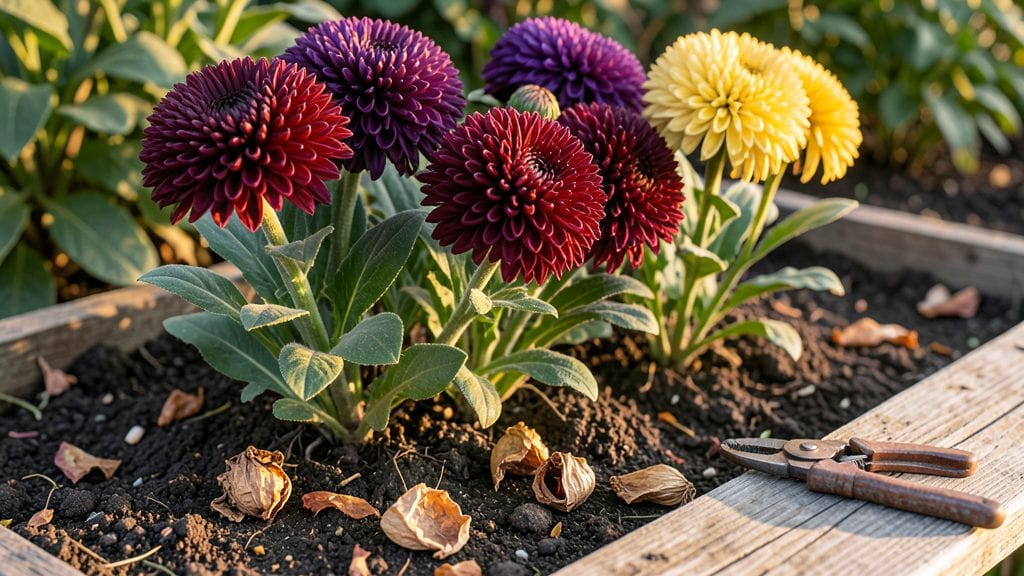
Garden mums typically bloom for 6 to 8 weeks in fall, with individual flowers lasting 2 to 4 weeks before wilting. Proper care can extend their display into early winter or next spring in mild climates.
Garden mums, or chrysanthemums, are fall's showstoppers, but their bloom duration depends heavily on variety and growing conditions. 🌸 The 6-8 week window is standard for most types, though some reblooming cultivars can push that further with the right care.
What many gardeners don't realize is that temperature fluctuations play a huge role—cooler nights actually trigger longer bloom cycles in some varieties, while sudden heat waves can cause premature wilting.
For example, the classic pumpkin-colored mums often bloom slightly longer than pastel varieties because their deeper pigmentation helps them absorb more sunlight. The key to extending their lifespan lies in understanding their natural cycle: once flowers start wilting, it's time to focus on nutrient replenishment rather than forcing new blooms.
This transition period is where many gardeners accidentally cut their mums' potential lifespan short by over-pruning or neglecting soil health.
💡 In This Article
- Factors Affecting Chrysanthemum Bloom Duration
- Tips to Extend Garden Mum Flower Life
Factors affecting chrysanthemum bloom duration
Chrysanthemums rely on a process called photoperiodism—their response to daylight length—to trigger blooming. Most varieties need 12-14 hours of darkness daily to initiate flower buds, which typically happens in late summer when days shorten.
This biological clock explains why mums bloom most prolifically in fall: cooler temperatures (50-65°F) combined with shorter days create ideal conditions.
The deeper the pigment in the petals, the more energy the plant devotes to flower production, which is why dark-colored mums often outlast lighter varieties by 1-2 weeks.
Light exposure directly impacts bloom duration too. Garden mums thrive in full sun (6-8 hours daily), but too much intense afternoon sun can cause petals to bleach or crisp at the edges. Morning sun provides gentle warmth while evening shade prevents heat stress.
The plant's vascular system transports nutrients and water more efficiently in these conditions, sustaining each bloom for 2-4 weeks—though individual flowers may wilt faster if exposed to consistent temperatures above 80°F.
Soil nutrition plays a surprising role in bloom longevity. Chrysanthemums are heavy feeders, requiring balanced fertilizer (10-10-10 ratio) applied every 4-6 weeks during the growing season.
A deficiency in phosphorus (middle number in fertilizer ratios) shortens bloom time by 25-30%overwatering causes root rot, which starves the plant of nutrients needed to sustain blooms.
Temperature fluctuations create another critical factor. Mums are cool-season plants that enter dormancy when nights drop below 40°F. Sudden cold snaps (below 32°F) can shock the plant, causing buds to blacken before opening.
Conversely, a gradual temperature drop to 45-50°F at night actually extends bloom duration by slowing metabolic processes. This is why gardeners in USDA Zones 7-9 often see mums last into December, while colder climates may only get 4-6 weeks of color.
Humidity levels also matter—40-60% relative humidity keeps petals supple, while dry air (below 30%) causes edges to brown prematurely. Mulching with 2-3 inches of organic matter helps maintain soil moisture and temperature consistency.
The best mulches for mums include shredded leaves or straw, which break down slowly to feed roots while retaining moisture. This simple step can add 1-2 extra weeks to the bloom cycle by reducing stress on the plant.
One often-overlooked factor is air circulation. Stagnant air encourages fungal diseases like powdery mildew, which weakens stems and causes flowers to drop early. Pruning lower leaves to improve airflow and spacing plants 18-24 inches apart helps prevent these issues.
The result? Healthier plants that allocate more energy to flower production rather than fighting disease, potentially extending the display by up to 3 weeks in optimal conditions.