
Light Requirements
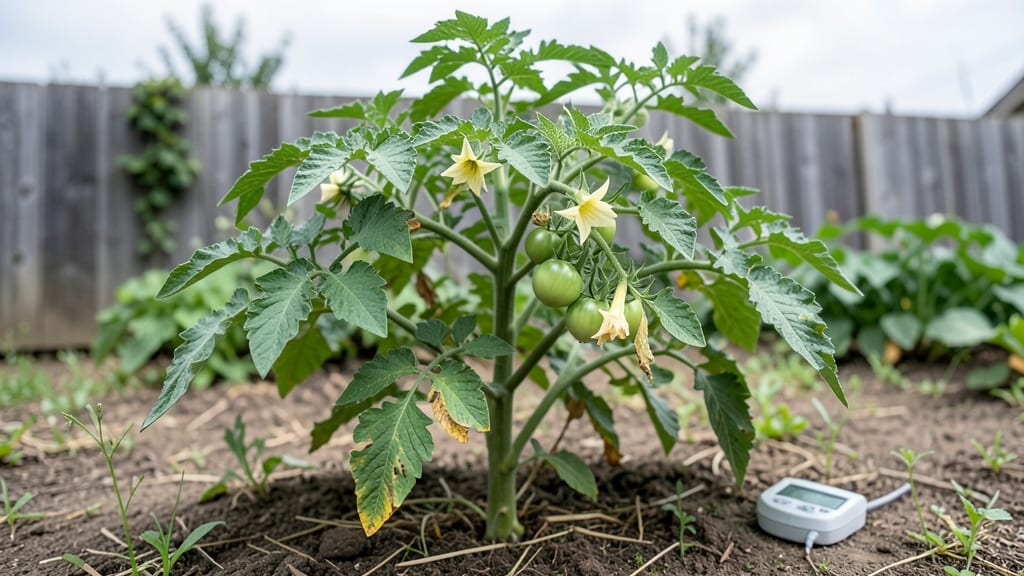
How much sunlight does a garden need? Gardens need varying sunlight amounts depending on plants: full-sun varieties require 6+ hours daily, partial sun 3-6 hours, and shade-loving plants less than 3 hours. Climate zones also influence exposure, with tropical regions needing adjustments for humidity and intensity.
Sunlight is the lifeblood of any garden, but not every plant thrives under the same conditions. 🌿 For instance, sun-loving vegetables like tomatoes and peppers demand full exposure to produce their best fruit, while delicate flowers such as hydrangeas prefer dappled light to prevent scorching.
The key is matching plant types to your garden's natural light patterns—whether that's a sunny southern exposure or a shady corner under trees. Even within the same zone, microclimates can shift needs dramatically, so observing how plants react during different seasons helps fine-tune their placement.
Climate plays a surprisingly big role too. In hot, dry regions, plants often need less direct sun to avoid stress, while cooler zones might require supplemental light for optimal growth.
That's why I always recommend starting with your local USDA zone and adjusting based on seasonal sun arcs—summer sun behaves differently than winter light, and your garden's layout can create pockets of unexpected shade or intensity.
💡 In This Article
- Sunlight Requirements by Plant Category
- Adjusting Sunlight Exposure for Different Climate Zones
Sunlight requirements by plant category
Leaf structure determines how plants absorb and process light. Broadleaf plants like tomatoes and marigolds have large, flat surfaces that capture sunlight efficiently, making them ideal for full-sun conditions. Their chlorophyll-rich leaves convert light into energy through photosynthesis at rates that thrive with 6+ hours of direct exposure.
In contrast, needleleaf plants such as junipers or spruces have smaller, waxy needles that conserve moisture while absorbing diffused light—perfect for partial shade where direct sun might scorch their delicate surfaces.
Vegetables like peppers and eggplants need 6-8 hours of direct sunlight to develop their signature flavors and vibrant colors. Their broad leaves and high metabolic rates demand consistent energy input, which is why they struggle in low-light areas.
Flowers like impatiens or ferns, however, thrive in less than 3 hours of filtered light, their thin, waxy leaves designed to protect against excessive heat while still capturing enough energy for growth.
The key difference lies in their photosynthetic pathways—sun-loving plants use the C3 pathway, while shade-tolerant varieties often employ the CAM pathway to conserve water.
Herbs offer a fascinating middle ground. Basil and oregano flourish in 4-6 hours of sunlight, their aromatic oils developing best with moderate exposure. But mint and parsley prefer 3-4 hours, their delicate leaves prone to burning under intense rays.
This variation shows how even within a single category, sunlight needs can shift dramatically based on leaf thickness, wax coatings, and root systems designed to absorb moisture efficiently in shaded conditions.
Trees follow similar patterns but on a grander scale. Deciduous trees like maples need full sun when young to establish strong canopies, while evergreens such as rhododendrons prefer partial shade to prevent needle damage.
The structural difference—broadleaf vs. needleleaf—directly impacts how they absorb and reflect light, with evergreens using their needle arrangement to maximize light capture in low-light environments while minimizing water loss.
What most gardeners overlook is how leaf angle plays a role. Plants in full sun often grow leaves perpendicular to the ground to maximize light absorption, while shade plants develop thinner, angled leaves that capture diffused rays.
This adaptation explains why ferns unfurl their fronds horizontally to catch scattered light, while sunflowers tilt their leaves vertically to avoid overheating. Understanding these mechanisms helps you position plants strategically—placing broadleaf vegetables where they'll receive morning sun but afternoon shade, for example.
Observing your garden's natural light patterns is the first step. Notice how sunlight shifts throughout the day—morning light is cooler and less intense than afternoon rays, which can scorch tender leaves.
By matching plant types to these patterns, you create an ecosystem where each species thrives without competing for the same resources. The result? A garden that's not just beautiful but also resilient, with plants growing at their optimal pace and producing the yields you expect.