Pests
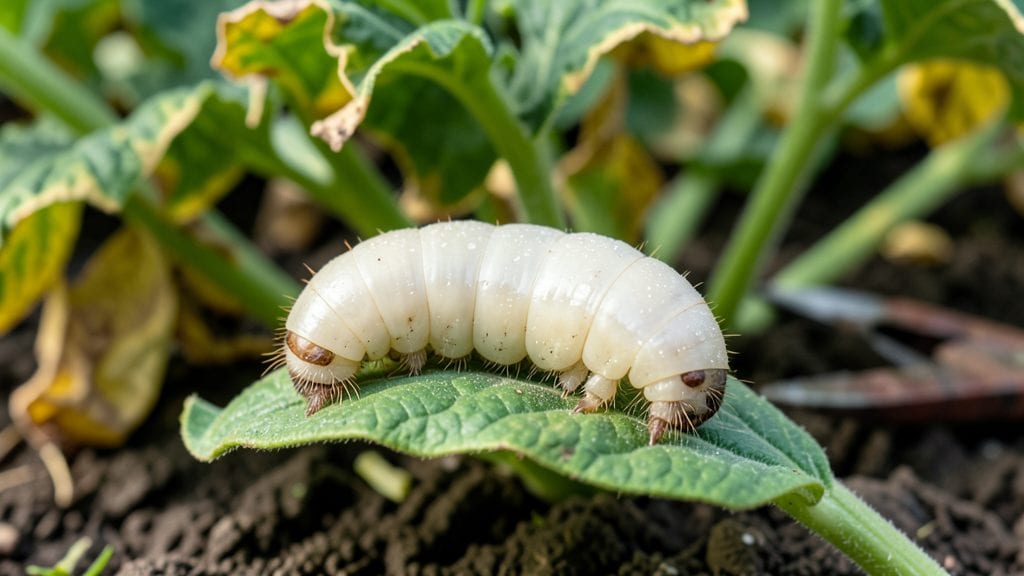
Large garden grubs are the sneaky culprits behind those mysterious brown patches in your lawn and gnawed roots on your prized plants. 🌱 I’ve battled them for years, and the key to winning is understanding their lifecycle—because by the time you see the damage, it’s often too late.
These white, C-shaped pests thrive in moist soil, feeding unseen until your grass looks like it’s suffering from drought or disease.
The good news? You don’t need harsh chemicals to outsmart them. A natural lure-and-trap system using simple supplies—like beer traps for leatherjackets or nematodes for white grubs—can cut their numbers dramatically.
The secret lies in timing: treat in late summer or early fall when grubs are young and vulnerable, before they burrow deep. I’ve saved entire lawns by acting at the right moment, and you can too.
Once you’ve lured them out, prevention keeps them from returning. Aerating your soil, avoiding over-fertilization with nitrogen, and encouraging beneficial predators like birds and toads create an environment where grubs can’t take over.
Your lawn will stay lush and your plants will thrive without the hidden threat of these underground chewers.
This system works for any garden size, from small urban plots to sprawling rural yards. The tools are affordable, the methods are organic, and the results are noticeable within weeks. Let’s get those grubs under control for good.
Root Causes of Soil Invaders
Large garden grubs—those squirming, C-shaped larvae—don’t just appear out of nowhere. Their presence is usually a sign of deeper ecological imbalances in your soil. Understanding why these pests thrive helps you address the problem at its source, not just on the surface.
Let’s break down the key factors that turn your garden into an all-you-can-eat buffet for grubs.
Grubs, especially those from beetles like the Japanese beetle or June bug, love soil that’s rich in organic matter—think freshly tilled compost, decaying leaves, or even overwatered lawns. Here’s why:
- Nutrient Overload: Excess organic material (like grass clippings or manure) creates a feast for grubs. They thrive in soil with high nitrogen levels, which speed up microbial activity—perfect grub fuel.
- Compacted Layers: Heavy foot traffic, machinery, or clay-heavy soil compresses the top layer, creating airless zones. Grubs burrow deeper into these pockets, where they’re shielded from predators (like birds or beneficial nematodes) and pesticides.
- Moisture Traps: Compacted soil holds water poorly, leading to soggy patches. Grubs adore damp, oxygen-deprived environments—ideal for their slow, steady growth.
Actionable Fix: Aerate your soil in early spring or fall to break up compaction. Mix in coarse sand or perlite to improve drainage, and avoid over-fertilizing with nitrogen-heavy amendments.
Grubs hatch from eggs laid by adult beetles, and these pests are picky about where they deposit them. If your garden resembles their ideal habitat, you’ll see a grub explosion. Key triggers:
- Grassy or Weedy Areas: Beetles target lawns, clover patches, or thick ground covers. The dense, soft turf provides easy digging and protection for eggs.
- Warm, Sunny Spots: Most beetles (like June bugs) prefer to lay eggs in soil that stays between 60–85°F (15–29°C). South-facing slopes or black plastic mulch can create these microclimates.
- Disturbed Soil: Tilling or digging aerates the top layer, signaling beetles that it’s safe to lay eggs. They avoid undisturbed, predator-rich soil.
Actionable Fix: Mow high (3–4 inches) to disrupt egg-laying zones, and remove thatch or debris where beetles might hide. Use row covers or bird netting to deter adult beetles during peak flight seasons (evening hours in summer).
Grubs face a gauntlet of predators in a healthy ecosystem—birds, toads, skunks, and even parasitic wasps. But if your garden lacks biodiversity, grubs face little resistance. Here’s how imbalance plays a role:
- Pesticide Overuse: Broad-spectrum insecticides kill both pests and their predators (like ladybugs or ground beetles), leaving grubs unchecked. Even "organic" sprays can disrupt the food chain.
- Monoculture Planting: Gardens with single crops (e.g., a vast lawn or rows of corn) offer grubs a steady food source with no competition. Diverse plants attract a wider range of predators.
- Habitat Loss: Piles of boards, dense mulch, or undisturbed leaf litter can shelter predators—but if these are removed, grubs move in unopposed.
Actionable Fix: Introduce predator-friendly plants like dill, fennel, or yarrow to attract beneficial insects. Leave some leaf litter or "messy" corners of the garden for toads and beetles. Avoid routine pesticide use; opt for targeted solutions like neem oil or kaolin clay.
Grubs are sensitive to temperature and moisture. Unusual weather—whether too wet or too dry—can create boom-or-bust cycles for their populations:
- Excess Rainfall: Soggy soil slows decomposition, preserving organic matter longer. Grubs feast on this slow-release food source, growing larger and reproducing faster.
- Drought Followed by Downpours: Dry spells stress plants, making them more vulnerable to root damage. When rain returns, grubs capitalize on weakened roots and the sudden flush of nutrients.
- Mild Winters: In colder climates, freezing temps kill off grub populations. But with climate change, milder winters mean more grubs survive to lay eggs the next season.
Actionable Fix: Improve soil drainage with raised beds or swales to prevent waterlogging. Mulch with straw or wood chips to regulate soil moisture. In drought-prone areas, deep watering encourages deeper root systems that grubs can’t easily devour.
By tackling these root causes—soil conditions, beetle behavior, ecological balance, and weather—you’ll starve out grubs before they become a full-blown infestation. The key? Prevention through habitat management, not just reactive traps or sprays.
Natural Fixes for Garden Pest Woes
If your garden has become a buffet for large, hungry grubs, don’t panic—there are effective, eco-friendly ways to reclaim your soil and plants. The key is targeting the root cause (literally!) with methods that work with nature, not against it.
Below, we break down practical solutions for the most common grub-related issues, from infestations to soil damage, plus prevention tips to keep your garden thriving long-term.
Cause: Excessive grub populations (e.g., Japanese beetle larvae, white grubs) depleting roots and organic matter. Fix: Cut off their food supply and disrupt their lifecycle.
- 🍳 Remove Lawn Thatch Grubs thrive in thick, moist thatch. Use a lawn rake to aerate the top 2–3 inches of soil, exposing grubs to birds and predators.
Do this in early morning or evening when grubs are near the surface. Pro Tip: 💡 Water the lawn lightly the night before—grubs rise to the surface after hydration!
- 👨🍳 Plant Grub-Repellent Ground Covers Some plants naturally deter grubs. Try:
- Marigolds (release toxins harmful to grubs)
- Chives or Garlic (strong scent confuses grubs)
- Clover (competes with grass roots, starving larvae)
- ⏰ Adjust Watering Habits Grubs love overly moist soil. Water deeply but infrequently (1–2 times per week) to encourage deeper root growth and discourage surface-dwelling pests.
Cause: Grubs chewing on roots weaken plants, leading to yellowing leaves or wilting. Fix: Strengthen soil resilience and introduce natural predators.
- 🔪 Introduce Beneficial Nematodes Microscopic Steinernema carpocapsae nematodes hunt grubs without harming plants. Apply them in early evening (they’re light-sensitive) by mixing with water and spraying onto soil. Pro Tip: 🌡️ Best results in warm (60–85°F) soil—avoid freezing temps!
- 🐦 Encourage Natural Predators Attract birds, toads, and ground beetles with:
- Bird baths (for insect-eating birds like robins)
- Log piles (toads and beetles hide underneath)
- Diverse plantings (more habitats = more predators)
- 🥗 Amend Soil with Compost & Mycorrhizae Healthy soil = stronger roots. Mix in compost and mycorrhizal fungi to boost plant defenses. Avoid chemical fertilizers—they can attract more grubs by promoting tender, fast-growing roots.
Cause: Grubs return yearly if conditions remain ideal (warm, moist, grassy). Fix: Break the cycle with long-term strategies.
| Action | How to Do It | Best Time |
|---|---|---|
| 🌱 Rotate Crops | Avoid planting grub-loved crops (corn, beans, grasses) in the same spot annually. | Spring/fall planting |
| 🔄 Use Trap Cropping | Plant cucumbers or squash near vulnerable plants—grubs prefer these over tomatoes/peppers. | Early spring |
| 🌡️ Monitor Soil Temp | Grubs are less active in cooler soil (<55°F). Mulch with straw in winter to deter eggs. | Fall/winter prep |
| 🎯 Neem Oil Spray | Mix neem oil + water + soap and spray on soil (repeats every 2 weeks). | Late spring/early summer |
✨ Bonus Tip: Milk Spray Repellent 🥛 Mix 1 quart milk + 1 tsp dish soap + 1 gallon water and spray on leaves/plants. The lactic acid disrupts grub feeding patterns—safe, cheap, and effective!
By combining immediate action (nematodes, predator attraction) with preventive care (soil health, crop rotation), you’ll outsmart grubs without chemicals. Start small—pick one method this season and expand next year. Your garden will thank you! 🌱💚
Frequently asked questions
What are the most common types of large garden grubs?
The most troublesome varieties include white grubs (Japanese beetle larvae), leatherjackets (crane fly larvae), and chafer grubs. White grubs are the most widespread, while leatherjackets thrive in damp, organic-rich soil. Each type requires slightly different control methods—identifying them helps you choose the right approach.
How do I know if my garden has a grub infestation?
Look for brown patches in lawns that pull up easily (roots are chewed), wilting plants despite proper watering, or birds digging aggressively in the soil. Dig up a small section—if you find C-shaped, white larvae over 1 inch long, you’ve got grubs. The earlier you catch them, the easier they are to control.
Are there organic ways to kill grubs without chemicals?
Yes! Beneficial nematodes (like Steinernema carpocapsae) are the gold standard—they hunt grubs naturally. For immediate relief, try a beer trap (bury a container filled with beer to attract leatherjackets) or milk spray (mix 1 quart milk + 1 gallon water + dish soap). Both methods are safe for plants and pets.
When is the best time to treat for grubs?
Late summer to early fall is critical—this is when grubs are young and vulnerable before they burrow deep. For leatherjackets, treat in spring when they’re near the surface. Avoid treating in winter (they’re dormant) or mid-summer (they’re too deep). Timing your intervention aligns with their lifecycle for maximum effectiveness.
Will my lawn recover after grub damage?
Once you eliminate the grubs, focus on soil health—aerate, overseed with grub-resistant grasses (like tall fescue), and reduce nitrogen fertilizers (they attract more grubs). With proper care, your lawn can bounce back fully within 2-3 growing seasons. The key is breaking the cycle of overwatering and organic buildup that invites them back.