
Vegetables
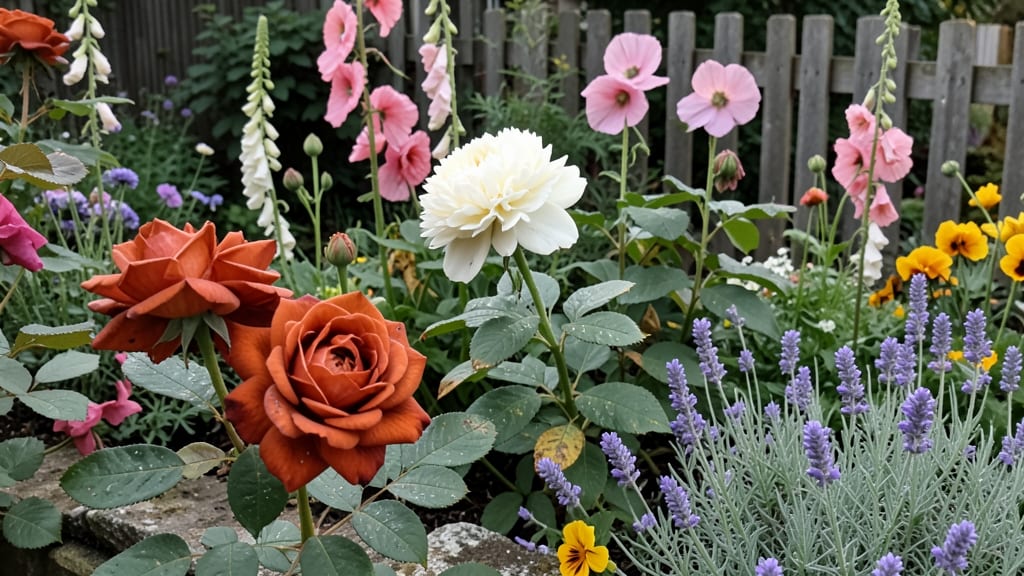
The images of cottage gardens I’ve always loved aren’t just pretty—they’re full of life, with tangled vines, riotous color, and that unmistakable "lived-in" charm. 🌿 I fell for them after seeing how wildflowers and herbs spill over garden walls, creating a scene that feels like stepping into a storybook.
The best part? You don't need acres to pull it off—even a small yard can burst with cottage garden magic.
Think of it as layering textures and colors like an artist's palette: climbing roses on trellises, lavender swaying in drifts, and vegetables tucked among the flowers. My favorite combinations mix edible herbs with ornamental blooms—like nasturtiums trailing over tomato plants or marigolds planted near carrots.
The result? A garden that's both beautiful and useful, where every corner feels inviting.
You'll end up with a space that smells like summer at all times of year—fresh-cut grass, honeyed lavender, and the occasional whiff of ripe tomatoes. The key is embracing imperfection: let some plants self-seed, allow vines to wander, and mix heights for that classic cottage garden effect.
Even a tiny balcony can become a charming retreat with the right plant choices.
Whether you're working with a sunlit English cottage or a modest suburban plot, the principles stay the same. Start small, let plants mingle naturally, and watch as your garden transforms into a timeless, whimsical haven. The best part? Every season brings something new to discover.
📚 In This Guide
- What you need
- Instructions
- Tips and common mistakes
- Wrapping up and next steps
What you need
- ● Soil: 5-10 bags of high-quality garden soil (2-3 cubic feet per bag) or compost-enriched topsoil for nutrient-rich beds.
- ● Plants: Perennials: 3-5 varieties (e.g., peony, lavender, or foxglove—check local climate zones).
- ● Annuals: 10-15 plants (e.g., pansies, marigolds, or sweet peas for color bursts).
- ● Herbs: 5-7 plants (e.g., rosemary, thyme, or mint—great for pollinators and cooking!).
- ● Vegetables: 5-10 starter plants/seeds (e.g., tomatoes, lettuce, or nasturtiums—edible and decorative!).
- ● Mulch: 2-3 bags of organic mulch (straw, pine bark, or shredded leaves) to retain moisture and suppress weeds.
- ● Fertilizer: 1-2 bags of slow-release organic fertilizer (e.g., composted manure or fish emulsion).
- ● Watering Supplies: A hose with adjustable nozzle or a watering can (5-gallon capacity).
- ○ Optional: drip irrigation kit for efficient watering.
- ● Basic Tools: Trowel (for planting small seeds).
- ● Garden fork (for aerating soil).
- ● Pruners (bypass type for clean cuts).
- ● Handheld weeder (for pesky weeds!).
- ○ Larger Tools (Optional but Helpful): Garden shovel (for digging).
- ● Wheelbarrow (for hauling soil/mulch).
- ● Knee pads (to protect your joints!).
- ● Location: A sunny or partially shaded spot (6+ hours of sunlight for veggies/herbs, 4-6 for shade-loving flowers).
- ● Layout: Sketch a simple design (e.g., raised beds, circular borders, or winding paths).
- ● Mark boundaries with stakes or string for planting zones.
- ○ Optional Decor: Trellises (for climbing plants like clematis or beans).
- ● Vintage containers (e.g., terracotta pots, wooden crates).
- ● Garden ornaments (e.g., wind chimes, birdbaths, or painted stones).
How to design a cottage garden that looks like the images you love
Cottage gardens bloom with effortless charm—here’s how to layer plants and textures just like the pictures.
🌱 Step 1: Plan Your Plant Groups in Clusters
Cottage gardens thrive on variety, but too much randomness looks chaotic. Instead, group plants in clusters of 3-5 with similar bloom times and heights. Start with a focal point—maybe a rosemary bush or lavender patch—and build around it. I like to sketch a rough layout first, using the 4-foot rule: taller plants in back, mid-height in middle, and sprawlers like clematis or peony in front.
Look at the images you love—notice how they layer colors and textures? A cluster of white daisies next to purple coneflowers with a silver foliage plant like lamb’s ear creates instant visual interest. Avoid single plants standing alone; they’ll look lost in a cottage garden. Think "thriving meadow" rather than "manicured rows."
☀️ Step 2: Mix Perennials, Biennials, and Annuals for Year-Round Color
Perennials like daylilies and black-eyed Susans return every year, while biennials such as foxgloves and hollyhocks add height and drama in their second season. Fill gaps with annuals like pansies or sweet alyssum for instant color. I always include at least one late-summer bloomer (like sedum) to keep the garden lively when others fade.
Look at the images for inspiration—notice how some gardens stay vibrant from spring through fall? That’s the secret: layering bloom times. Plant tulips for early spring, peonies for mid-season, and chrysanthemums for autumn. Even in winter, evergreen shrubs and ornamental grasses keep the scene alive. Sketch a simple chart of your plants’ bloom cycles to avoid bare patches.
🪴 Step 3: Add Whimsical Accents Like Trellises and Arches
No cottage garden is complete without vertical elements. A simple wooden trellis or wrought-iron arch instantly adds charm and draws the eye upward. I love training climbing roses or morning glories on arches to create a romantic gateway. Even a bamboo stake with clematis adds height and texture without overwhelming the space.
Look at the images for details—notice how some gardens use old-fashioned birdbaths, stone steps, or weathered pots as focal points? These accents tell a story. Place them where they’ll be seen from your favorite seating spot. A small bench tucked under a wisteria trellis or a wind chime near a lavender bush turns a garden into a living postcard.
💧 Step 4: Let Plants Spill Over Edges for Soft, Natural Borders
Cottage gardens reject sharp lines. Instead, let perennials like catmint or salvia spill over the edges of containers or garden beds. I often plant low-growing thyme or creeping phlox along pathways to soften transitions. Even a single pot of trailing ivy on a windowsill adds that effortless, lived-in feel.
Look at the images for texture—notice how some gardens use ornamental grasses like feather reed grass to sway in the breeze? These plants add movement and contrast to bold blooms. Avoid neat, trimmed edges; instead, let plants grow where they will and trim only when they block walkways. The goal is effortless abundance, not perfection.
✂️ Step 5: Deadhead and Prune Strategically for Continuous Blooms
Deadheading spent blooms encourages more flowers, but don’t overdo it—some seed heads (like black-eyed Susans) add winter interest. I prune roses lightly after their first flush to promote a second bloom, while lavender gets a trim right after flowering to keep it compact. The key is balance: keep the garden looking full but not overcrowded.
Look at the images for seasonal changes—notice how some gardens still look magical in autumn? That’s the magic of strategic pruning. Leave dried flowers on stems for texture, but remove any that look diseased. Mulch with straw or wood chips to keep weeds at bay and soil moist. A well-maintained cottage garden feels lived-in and loved—not fussy or overworked.
Tips & tricks for perfect cottage garden design
Creating a cottage garden that looks like the pictures you love takes a few key tricks—here's how to elevate your design from charming to show-stopping.
Color Layering Secret: Look at your inspiration images and notice how colors repeat in threes—like white daisies with purple coneflowers and silver lamb's ear. This triad creates visual harmony. I always group plants in odd-numbered clusters (3-5) because they feel more natural than even groupings. For example, pair your rosemary bush with white daisies and purple coneflowers to create instant focal points that draw the eye.
Plant Height Strategy: The 4-foot rule from Step 1 is your best friend—taller plants like hollyhocks belong in back, mid-height peonies go in the middle, and sprawlers like clematis should cascade in front. Pro tip: Use a simple stick figure sketch to visualize how your garden will look from different angles. This helps prevent that "too-tall-in-front" look that ruins the romantic cottage vibe.
Seasonal Planning Hack: Before buying plants, sketch a simple bloom calendar. Mark when each plant flowers—tulips for spring, peonies for summer, chrysanthemums for fall—and fill gaps with evergreen shrubs for winter interest. I keep a small notebook where I jot down bloom times from seed packets and catalogs. This ensures you'll never have bare patches, even in winter.
Vertical Space Maximizer: Don't overlook vertical elements—they're what make cottage gardens feel magical. If you're working with limited space, use bamboo stakes for clematis or simple trellises for morning glories to add height without taking up ground space. For extra drama, train climbing roses on a wrought-iron arch to create a romantic entrance. Even a wind chime near your lavender bush adds that whimsical touch.
Pro Tips for Cottage Gardens Images
- Creating a cottage garden that looks like the pictures you love takes a few key tricks—here's how to elevate your design from charming to show-stopping.
- Color Layering Secret: Look at your inspiration images and notice how colors repeat in threes—like white daisies with purple coneflowers and silver lamb's ear.
- Plant Height Strategy: The 4-foot rule from Step 1 is your best friend—taller plants like hollyhocks belong in back, mid-height peonies go in the middle, and sprawlers like clematis should cascade in front.
Frequently asked questions
Got questions about bringing cottage garden charm to life? Here are answers to the most common ones—whether you're just starting or troubleshooting along the way!
What’s the best time of year to start a cottage garden?
Spring is ideal for planting perennials and hardy annuals, but cottage gardens thrive with staggered planting! Start with early bloomers (like pansies or snapdragons) in late winter/early spring, then add heat-loving plants (e.g., zinnias or tomatoes) after the last frost. Pro tip: Many cottage plants (like lavender or herbs) tolerate light frosts—just wait until soil is workable!
How much does it cost to create a cottage garden?
Costs vary wildly! A small, DIY garden using seeds and thrifted containers can cost $50–$150, while a larger, curated design with mature plants and hardscaping may run $500–$2,000+. Prioritize perennials (they return yearly!) and mix in affordable annuals like marigolds or cosmos for instant color.
Are cottage gardens high-maintenance? How do I keep pests away?
Not necessarily! Cottage gardens look wild but often thrive on diversity. Interplant herbs (basil, rosemary) to repel pests naturally, and let some "messy" foliage (like dill or fennel) bloom to attract beneficial insects. Handpick larger pests (e.g., slugs) at dawn, and mulch heavily to deter weeds. Pro tip: Companion planting (e.g., nasturtiums near veggies) is your secret weapon!
Can I create a cottage garden in a small space or urban yard?
Think vertical layers: use trellises for climbing roses or peas, hang baskets with trailing flowers (like sweet peas), and opt for dwarf varieties (e.g., 'Patio' tomatoes or 'Thumbelina' roses). Even a window box or balcony can host a mini cottage vibe with herbs, pansies, and tiny veggies like radishes.
What if my garden doesn’t look "Pinterest-perfect" right away?
Cottage gardens are supposed to evolve! Embrace the "wabi-sabi" aesthetic—uneven heights, gaps, and seasonal changes add character. Troubleshoot: Deadhead spent blooms to encourage reblooming, but leave some seed heads for texture. Remember: The charm lies in the layers, not the lack of them. Snap a photo and compare it to your favorite cottage garden images—you’re already on the right track!
Wrapping up and next steps
Cottage gardens are more than just a trend—they’re a celebration of nature’s charm, creativity, and timeless beauty. 🌸 Whether you’re inspired by whimsical layers of flowers, vegetable patches, or rustic pathways, these spaces invite joy and serenity into your outdoor life.
Start small, gather inspiration from cottage gardens images, and let your garden tell its own story—one bloom, leaf, and harvest at a time.
Ready to bring this magic to life? Sketch your dream layout today—or dive into a seed catalog for your first plants! The perfect garden is just a shovel’s throw away. 🌱