
Size
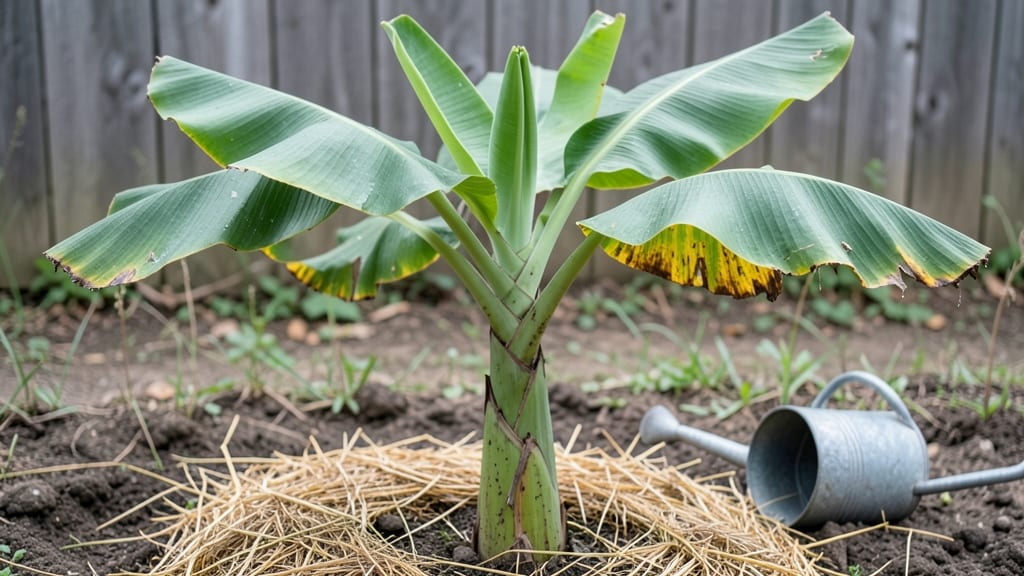
Growing a banana tree in your garden means tropical height without the tropical climate—just a few key tricks. 🌿 I’ve grown these giants in containers for years, and the secret lies in mimicking their natural habitat: warmth, moisture, and deep roots without soggy soil.
The right setup turns a 5-gallon pot into a banana factory, even in cooler zones.
Start with a dwarf variety like ‘Dwarf Cavendish’ or ‘Lady Finger’—they stay manageable while still producing fruit. You’ll need a pot at least 18 inches deep, drainage holes, and a mix of 60% potting soil, 30% perlite, and 10% compost.
Place it in full sun (6+ hours daily) and keep the soil consistently moist but never waterlogged. A banana tree drinks like a camel but hates wet feet.
By summer, you’ll see those iconic banana leaves unfurl, and with regular feeding (balanced fertilizer every 6 weeks), your tree could produce fruit within 2-3 years. The first harvest might be small, but the thrill of peeling a banana you grew yourself—even in a pot—is unbeatable.
Just watch for pests like spider mites and keep humidity up with a pebble tray if your air is dry.
This method works for patios, balconies, or even sunrooms—no greenhouse needed. The key is patience and consistency. Once you master the basics, you can experiment with larger pots or even ground planting in warmer climates. Ready to grow your own tropical giant?
📚 In This Guide
- What you need
- Instructions
- Tips and common mistakes
- Wrapping up and next steps
What you need
- ● Banana tree plant: Choose a Musa variety (like Dwarf Cavendish or Red Dwarf) from a nursery or online supplier. Opt for a 1-2 year old plant with a healthy pseudostem.
- ● Container: A large, sturdy pot (15-20 gallons) with drainage holes. Materials like fiberglass, plastic, or wood work well. Ensure it’s at least 18 inches in diameter for proper root growth.
- ● High-quality potting mix: A blend of 60% peat moss or coconut coir, 20% perlite, and 20% compost. Avoid garden soil—it compacts and suffocates roots! 🚫
- ● Drainage layer: 3-4 inches of gravel, pumice, or broken pottery at the bottom of the container to prevent waterlogging.
- ● Fertilizer: A balanced, slow-release fertilizer (10-10-10 or 20-20-20) or organic options like fish emulsion or banana peel compost. Apply every 4-6 weeks during growing season.
- ● Watering can or hose with a gentle spray nozzle: Banana trees love consistent moisture but hate soggy roots. Aim for 1-2 gallons per watering when the top 2 inches of soil feel dry.
- ● Support stake or trellis: A 5-6 foot tall bamboo stake or metal trellis to provide stability as the plant grows. Secure it loosely with soft ties to avoid damaging the pseudostem.
- ● Mulch: Pine bark or straw mulch to retain moisture and regulate soil temperature.
- ● Humidity tray: A shallow tray filled with pebbles and water to boost humidity, especially in dry climates.
- ● Pruning shears: For trimming dead fronds or managing size (sterilize with rubbing alcohol first!).
- ● Soil moisture meter: To check soil hydration without over-guessing.
- ● Epsom salt: A monthly magnesium boost (1 tbsp per gallon of water) for vibrant foliage.
Step-by-step instructions for growing a banana tree in containers
Here's how to coax a tropical banana tree to thrive in pots with minimal fuss.
🪴 Step 1: Select the Right Container and Drainage
Banana trees need room to spread their roots, so choose a 5-gallon or larger container with drainage holes. I use unglazed terra cotta pots because they breathe better than plastic, preventing root rot. If your pot lacks drainage, drill 4-6 holes in the bottom—just big enough for water to escape but not soil.
Place a 1-inch layer of gravel or broken pottery at the bottom before adding soil. This creates an air pocket that prevents waterlogging, which banana trees despise. The container should be at least 18 inches deep to accommodate the plant's long roots.
🌱 Step 2: Prepare a Well-Draining Soil Mix
Banana trees hate soggy roots, so skip garden soil entirely. Instead, mix equal parts potting mix and coconut coir, then add 20% perlite or coarse sand for extra drainage. This lightweight blend mimics their native tropical soil while preventing compaction.
Fill the pot halfway with your mix, then tap the container gently to settle the soil. Avoid packing it down—banana roots need loose, airy space to grow. Leave 2-3 inches of space at the top for watering and mulch.
☀️ Step 3: Plant the Banana Psuedostem Correctly
Banana trees grow from a pseudostem (the thick, leafy stalk), not a traditional trunk. Plant it so the base sits just above the soil line—burying it too deep causes rot. Gently spread the roots outward in the pot, then fill in with more soil mix, pressing lightly to secure.
Water deeply until moisture runs out the drainage holes, then let it drain completely. Banana trees need consistent moisture but never soggy soil. You'll know it's right when the top inch feels damp but not wet.
💧 Step 4: Provide Warmth and Humidity
Banana trees thrive in 75-85°F conditions. Place your pot in a sunny spot where it gets 6+ hours of direct light daily, like a south-facing patio or greenhouse. If indoors, a grow light keeps them happy—just 12 inches above the plant for 14 hours a day.
Mist the leaves 2-3 times a week to mimic tropical humidity. Grouping pots together also helps retain moisture. Watch for drooping leaves—a sign of underwatering—or yellowing leaves, which means overwatering. Adjust your care based on what you see.
✂️ Step 5: Fertilize and Prune for Healthy Growth
Feed your banana tree monthly with a balanced liquid fertilizer (10-10-10) during spring and summer. Cut back to every 6 weeks in fall and winter when growth slows. Always water before fertilizing to prevent root burn.
Remove yellow or damaged leaves at the base with clean pruners. Never cut healthy leaves—banana trees use them for energy. If the pseudostem splits or weakens, it’s time to repot into a larger container (up to 10 gallons max for dwarf varieties).
Tips & tricks for growing a thriving banana tree in containers
Growing a banana tree in containers takes patience and attention to detail—here's how to avoid the most common pitfalls and give your plant the best shot at success.
Container Size Matters: While the instructions call for a 5-gallon minimum, I recommend going slightly larger (up to 7 gallons) if possible. Banana roots spread aggressively, and a bigger pot gives them room to establish before you'll need to repot. For dwarf varieties, 5 gallons is perfect, but standard banana trees will outgrow it faster than you think. The extra space prevents root binding, which stresses the plant and stunts growth.
Soil Mix Secrets: The equal parts potting mix and coconut coir blend is perfect, but here's the trick: add 10% worm castings to that 20% perlite/sand mix for extra nutrients. Worm castings improve moisture retention while preventing compaction, giving your banana tree a nutrient boost without altering the drainage. This small addition makes a noticeable difference in leaf health and growth speed.
Pseudostem Planting Precision: When planting that pseudostem in Step 3, focus on getting the angle right. The base should sit just above soil level, but the roots need to spread outward at a 45-degree angle rather than straight down. This encourages stronger root development and prevents the plant from leaning. Think of it like planting a flagpole—secure at the base but with room to sway slightly in the wind.
Lighting Strategy: For that critical 14-hour grow light requirement, position your light 18 inches above the plant rather than 12 inches. The extra height prevents leaf burn while still providing full-spectrum light. If you notice the leaves stretching toward the light (a sign of light deprivation), move the light closer gradually—just 2 inches at a time—to avoid shocking the plant. Indoor banana trees are light-hungry!
Pro Tips for Grow A Garden Banana Tree
- Growing a banana tree in containers takes patience and attention to detail—here's how to avoid the most common pitfalls and give your plant the best shot at success.
- Container Size Matters: While the instructions call for a 5-gallon minimum, I recommend going slightly larger (up to 7 gallons) if possible.
- Soil Mix Secrets: The equal parts potting mix and coconut coir blend is perfect, but here's the trick: add 10% worm castings to that 20% perlite/sand mix for extra nutrients.
Frequently asked questions
Got questions about growing your own garden banana tree?
You’re not alone! Here are answers to the most common queries—from timing to troubleshooting—so you can grow lush, productive banana plants with confidence.
How long does it take for a banana tree to bear fruit?
A banana tree typically takes 9–18 months to produce fruit from planting, depending on the variety and growing conditions. Dwarf varieties (like ‘Dwarf Cavendish’) may fruit in as little as 9–12 months, while larger types can take up to 2 years. Patience is key—focus on healthy growth first!
Can I grow a banana tree in a cold climate?
Banana trees thrive in USDA Zones 10–11 but can be grown in cooler zones with care. Use large containers (20+ gallons) and move them indoors or to a greenhouse when temperatures drop below 50°F (10°C). Mulch the base and protect from frost—just don’t let roots freeze!
Do banana trees need soil, or can I grow them in water?
While banana trees prefer well-draining soil, they can grow hydroponically in water-based systems with added nutrients. For containers, use a mix of coconut coir, perlite, and compost to mimic tropical soil. Waterlogged roots = root rot, so always ensure proper drainage!
Why is my banana tree’s leaves turning yellow?
Yellowing leaves often signal overwatering, nutrient deficiency, or pests. Check for:
- Brown tips = Too much salt or fluoride in water.
- Yellow patches = Fungal disease (spray with neem oil).
- Wilting = Root rot (reduce watering and improve drainage).
How many bananas can one tree produce?
A mature banana tree yields 30–100 hands (bunches) per year, with each hand containing 10–20 bananas. Dwarf varieties produce smaller but more frequent harvests. Prune old pseudostems to encourage new suckers and boost productivity—just leave one main stem per tree!
Wrapping up and next steps
Growing a garden banana tree in containers is totally doable—even for beginners! With the right space, sunlight, and care, you’ll enjoy lush foliage and sweet rewards in no time. 🌱 Start small, stay patient, and soon you’ll be harvesting your own tropical treats.
Ready to take the next step? Pick your favorite banana variety and get planting—your future banana tree is waiting! 🍌✨