
Vegetables
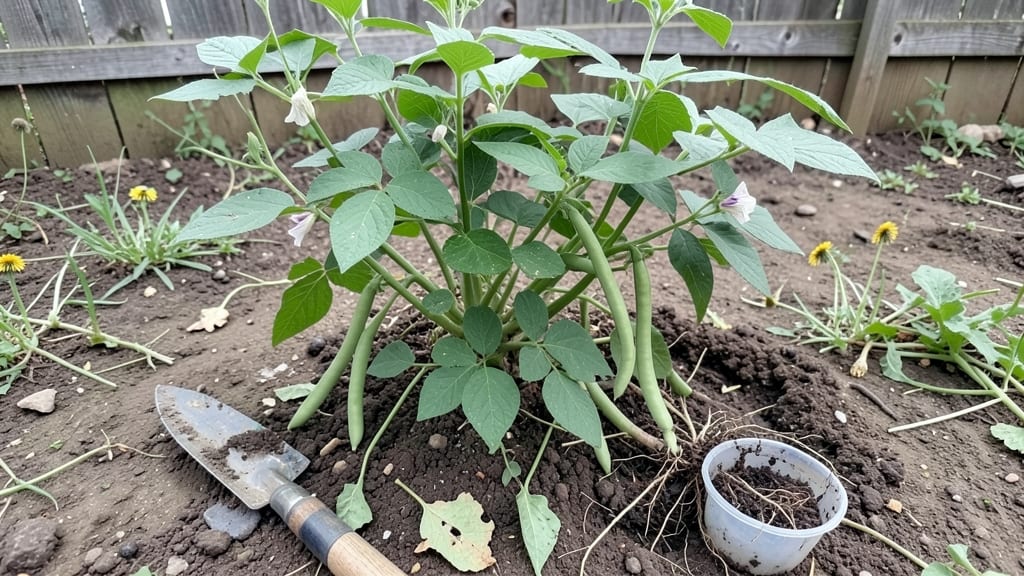
Green bean gardening tips start with the right varieties—pest-resistant types like 'Blue Lake' or 'Contender' that shrug off common bean beetles and aphids. ✨ I learned the hard way that skipping this step means a battle every summer, but these tough varieties cut the work in half while delivering sweet, snappy pods.
Soil prep is where most gardeners trip up: beans need well-draining, slightly sandy soil with a pH between 6.0 and 7.0. Work in 2-3 inches of compost before planting, and avoid fresh manure—it attracts pests and burns tender roots.
The secret weapon? A no-till approach—disturbing the soil too much invites wireworms to feast on your seeds.
Once planted, consistent moisture is key—never let the soil dry out completely, but avoid soggy conditions that invite fungal diseases. A 3-foot-tall stake or trellis transforms bushy varieties into neat rows, making harvesting easier and reducing soil-borne diseases.
You'll harvest your first pods in 50-60 days, and the plants keep producing for weeks if you stay on top of watering.
Here's the real game-changer: companion planting with marigolds deters Mexican bean beetles naturally, while basil repels thrips. Prune suckers regularly to focus energy on pod production, and harvest every 2-3 days to encourage more flowers—and more beans. The payoff? A neighborhood-stealing harvest that tastes fresher than anything from the store.
📚 In This Guide
- What you need
- Instructions
- Tips and common mistakes
- Wrapping up and next steps
What you need
- ● Seeds: 1–2 lbs of pest-resistant varieties (e.g., 'Blue Lake,' 'Provider,' or 'Contender'). Start with 10–15 seeds per 10-foot row.
- ● Soil: Well-draining, loose garden soil with a pH of 6.0–7.0. Amend with compost (2–3 inches mixed into the top 6 inches of soil).
- ● Fertilizer: Balanced 10-10-10 or organic options like composted manure or worm castings (apply at planting and mid-season).
- ● Watering: Drip irrigation or a soaker hose (to keep soil consistently moist but not soggy).
- ● Stakes/Trellis: 5–6 ft tall bamboo stakes, metal trellis, or J-shaped stakes (1 stake per 2–3 plants for bush varieties; 1 per plant for pole beans).
- ● Mulch: Straw or shredded leaves (2–3 inches) to retain moisture and suppress weeds.
- ● Row Cover: Lightweight fabric to protect seedlings from pests like flea beetles.
- ● Neem Oil: Organic pesticide (mix 1 tbsp per gallon of water) for early pest prevention.
- ● Plant Tags: Labels to track varieties and planting dates.
- ● Pruners: Small bypass pruners for trimming overgrown foliage.
- ● Knee Pads: Because gardening is way easier on the knees! 😉
Step-by-step guide to planting and maintaining green beans
Here's the foolproof method for growing vigorous, productive green bean plants that resist pests and climb like pros.
🌱 Step 1: Prepare the Soil and Plant Seeds
Green beans thrive in well-draining soil with a pH between 6.0 and 7.0. Work in 2-3 inches of compost into the top 6 inches of soil before planting—this improves drainage and provides essential nutrients without overwhelming young plants. I avoid fresh manure, which can burn tender roots and attract pests.
Sow seeds 1 inch deep and 3-4 inches apart in rows spaced 18-24 inches apart. For bush varieties, plant seeds in clusters of 3-4 every 6 inches to create a dense planting that maximizes yield. If using pole varieties, plant seeds along the base of your trellis or stakes for natural support. Water the soil to a depth of 1 inch after planting to encourage germination.
☀️ Step 2: Provide Support and Optimal Growing Conditions
Pole varieties need sturdy support to prevent sprawling and improve air circulation, which reduces disease risk. Install 5-6 foot tall trellises or bamboo stakes at planting time, spacing them 2-3 feet apart. I use galvanized wire mesh stretched between posts for a durable, low-maintenance option. Attach vines as they grow by gently weaving them through the support or securing with soft plant ties.
Green beans require full sun (6-8 hours daily) and consistent moisture. Keep the soil evenly damp but never soggy—water at the base when the top 1 inch feels dry. Mulch with 2-3 inches of straw to retain moisture, suppress weeds, and keep beans off damp soil (which prevents rot). Avoid overhead watering, as wet foliage encourages fungal diseases like rust.
🌿 Step 3: Monitor for Pests and Fertilize Strategically
Watch for bean beetles, aphids, and Japanese beetles, which can defoliate plants quickly. I handpick beetles in the morning when they’re sluggish and drop them into soapy water. For aphids, spray plants with a soapy water solution (1 tsp mild soap per gallon) early in the day to avoid harming beneficial insects. Planting marigolds or nasturtiums nearby deters pests naturally.
Fertilize lightly 4-6 weeks after planting with a balanced organic fertilizer (10-10-10) applied at half strength. Over-fertilizing leads to lush foliage but fewer beans. Instead, focus on side-dressing with compost mid-season to replenish nutrients. Stop fertilizing 2 weeks before harvest to avoid bitter-tasting pods.
✂️ Step 4: Harvest and Maintain for Continuous Production
Harvest beans when pods are 4-6 inches long and crisp—this encourages more production. Pick every 2-3 days to prevent pods from toughening or shattering. I use sharp scissors to snip stems cleanly, avoiding damage to the plant. For pole varieties, harvest from the bottom up to extend the season. Bush varieties produce all at once, so plan to harvest 2-3 weeks after flowering begins.
After the first harvest, trim back any yellowed or diseased leaves immediately to redirect energy to new growth. If your variety is determinate (bush), the plant will naturally decline after producing. For indeterminate (pole) varieties, prune back leggy vines to encourage bushier growth and better air flow. Mulch again after harvest to protect soil and prepare for next season.
Tips & tricks for perfect green bean gardening
Mastering these key strategies will transform your green bean harvest from modest to spectacular—without the common pitfalls that frustrate gardeners.
Soil Prep Secret: Before planting, test your soil's pH using a simple test kit or send a sample to your local extension office. Green beans are finicky about pH—aim for that 6.0-7.0 range by amending with pelletized lime if needed. I've seen gardens fail because the soil was too acidic; a quick test saves weeks of troubleshooting. The 2-3 inches of compost in the top 6 inches of soil isn't just about nutrients—it creates that ideal crumbly texture beans love, preventing root rot while encouraging strong root development.
Staking Strategy for Pole Varieties: When installing your 5-6 foot trellises, bury the posts 12-18 inches deep for maximum stability—this prevents leaning, especially in windy conditions. For a budget-friendly option, use chicken wire fencing stretched between posts instead of wire mesh. The key is to attach vines gently every 2-3 feet as they grow; twisting them through the support works better than tying, which can damage stems. I've had entire trellises collapse when planted too shallowly—don't make my mistake!
Watering Wisdom: The 6-8 hours of full sun green beans require means you'll need to water deeply twice daily during hot weather—once in the morning and again in the late afternoon. Use a soaker hose placed at the base of plants to deliver water directly to roots without wetting foliage, which drastically reduces fungal diseases. That 1-inch watering depth after planting isn't just for germination—it establishes the moisture pattern your plants will expect throughout their lifecycle. I've seen entire crops fail because gardeners watered inconsistently, causing beans to split or become tough.
Pest Prevention Proactive: While the soapy water solution works well, I've found that planting basil between rows of green beans acts as a natural deterrent for bean beetles and aphids. The strong scent masks the beans' aroma, confusing pests. For Japanese beetles, which can devastate plants in hours, I've had success with neem oil spray applied in the evening when beneficial insects are less active. And here's what nobody tells you—if you see just a few beetles, remove them immediately. They reproduce rapidly, and a small infestation can become uncontrollable in days.
Pro Tips for Green Bean Gardening Tips
- Mastering these key strategies will transform your green bean harvest from modest to spectacular—without the common pitfalls that frustrate gardeners.
- Soil Prep Secret: Before planting, test your soil's pH using a simple test kit or send a sample to your local extension office.
- Staking Strategy for Pole Varieties: When installing your 5-6 foot trellises, bury the posts 12-18 inches deep for maximum stability—this prevents leaning, especially in windy conditions.
Frequently asked questions
Got questions about growing green beans? You’re not alone! Here are answers to the most common queries from gardeners just like you—whether you're a beginner or looking to up your game.
When is the best time to plant green beans?
Green beans thrive in cool weather—aim to plant them 1–2 weeks after the last frost in spring (soil temps should be at least 60°F). For a fall harvest, sow seeds 8–10 weeks before the first frost. Avoid planting in hot summer months, as beans dislike extreme heat.
How do I keep pests like aphids and bean beetles away?
Start with pest-resistant varieties like ‘Blue Lake Bush’ or ‘Contender.’ Use row covers early in the season to block pests, and handpick beetles. Neem oil or soapy water sprays work well for aphids. Interplanting with marigolds or nasturtiums can also deter pests naturally!
Do green beans need to be staked, or can they grow without support?
It depends! Bush beans (like ‘Kentucky Wonder’) don’t need staking—they grow low and bushy. But pole beans (like ‘Rattlesnake’) climb and benefit from trellises or stakes to save space and improve airflow (reducing disease risk). Staking also makes harvesting easier!
How long does it take for green beans to grow and harvest?
From seed to harvest, it typically takes 50–60 days for bush beans and 55–65 days for pole beans. Check your seed packet for exact days, and harvest when pods are 4–6 inches long and crisp. Pick regularly to encourage more production!
What should I do if my green beans turn yellow or wilt?
Yellowing leaves often signal overwatering or poor drainage—let soil dry slightly between waterings. Wilting could mean underwatering, heat stress, or bacterial blight. Remove affected plants, rotate crops next season, and ensure 6+ hours of sunlight daily. If pests are the issue, try companion planting with onions or garlic.
Wrapping up and next steps
Growing your own green beans is a rewarding experience—whether you’re a seasoned gardener or just starting out! 🌱 With the right pest-resistant varieties and smart staking techniques, you’ll enjoy a bountiful harvest of crisp, flavorful beans. Remember, consistency in care and a little patience go a long way.
Now that you’re armed with these green bean gardening tips, it’s time to roll up your sleeves and get planting! Start small—try a few varieties or a single staked row—and watch your confidence (and harvest!) grow. Happy gardening! 🌿