
Advice
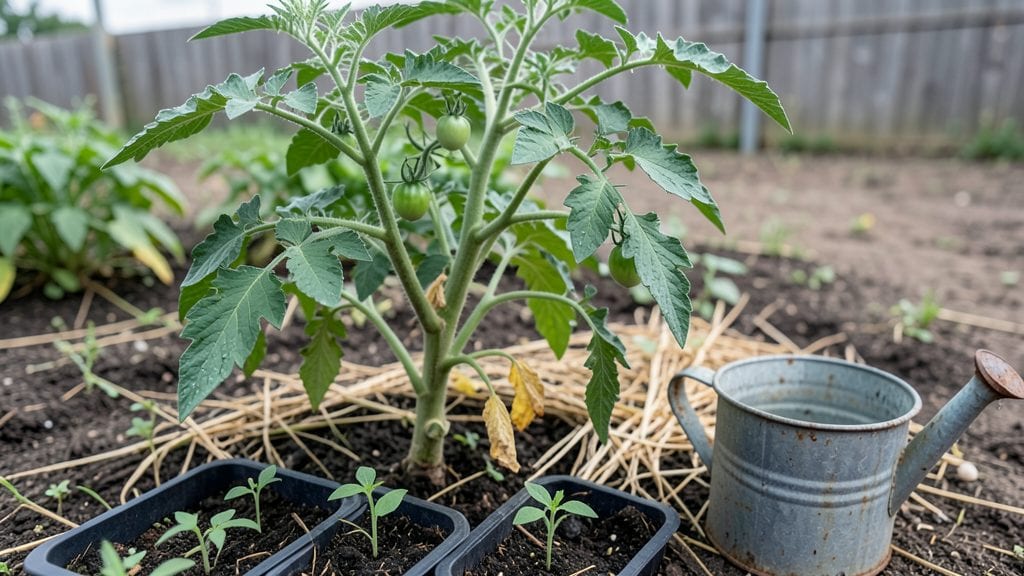
Home gardening tips start with one simple truth: you don’t need a green thumb, just the right approach. I’ve turned my backyard into a productive space with just a few hours a week, and I’ll show you how to do the same—no fancy tools or expensive setups required.
The secret isn’t working harder; it’s working smarter with what you already have.
Good soil is your foundation, but you don’t need to spend a fortune. A basic mix of compost, topsoil, and a handful of organic matter works wonders. Pair that with the right plants for your climate—like drought-tolerant succulents or shade-loving ferns—and you’ll spend less time fixing problems.
Watering deeply once a week beats daily light sprinkles, and pruning just the dead or overgrown bits keeps plants thriving without the hassle.
📚 In This Guide
- What you need
- Instructions
- Tips and common mistakes
- Wrapping up and next steps
What you need
- ● Gardening Soil: 1–2 bags of high-quality potting mix or garden soil (look for organic, peat-free options). For containers, use a lightweight mix with perlite or vermiculite.
- ● Containers or Garden Beds: Containers: 3–5 pots (5–10 gallons each) with drainage holes. Materials: plastic, ceramic, or fabric grow bags.
- ● Garden Beds: Raised beds (4’x8’ or custom size) or in-ground plots with at least 6–12 inches of soil depth.
- ● Seeds or Seedlings: Choose fast-growing, low-maintenance varieties like lettuce, herbs (basil, mint), cherry tomatoes, or microgreens. Start with 5–10 plants or seed packets.
- ● Watering Supplies: A watering can (1–2 gallons) or a hose with a gentle spray nozzle.
- ○ Optional: Drip irrigation kit for automated watering.
- ● Basic Tools: 1 pair of gardening gloves (nitrile-coated for durability).
- ● 1 hand trowel (6–8 inches long).
- ● 1 pruners (bypass pruners for clean cuts).
- ● 1 small rake or hand fork (for loosening soil).
- ● Fertilizers: Organic options like compost, worm castings, or slow-release granules (e.g., 10-10-10 or fish emulsion).
- ● Mulch: Straw, shredded leaves, or wood chips to retain moisture and suppress weeds.
- ● Grow Lights: LED grow lights (12–15 watts per sq. ft.) for indoor or winter gardening.
- ● Support Structures: Tomato cages, trellises, or stakes for climbing plants.
- ● Soil pH Test Kit: To ensure your soil is in the ideal range (6.0–7.0 for most veggies).
- ● Pest Control: Neem oil, diatomaceous earth, or row covers for organic protection.
Instructions: build a low-maintenance garden that thrives all year
Here’s how to create a garden that stays healthy with just a few simple habits—no green thumb required.
Prepare the Soil for Easy Growth
Start by testing your soil’s drainage. Dig a hole about 6 inches deep and fill it with water. If the water drains within 30 minutes, your soil is good. If it pools, add 2-3 inches of compost or sandy loam to improve drainage. I like to mix in 1 cup of bone meal per 10 square feet at planting time—it gives roots a slow-release nutrient boost for strong starts.
For containers, use well-draining potting mix and add a handful of perlite to prevent compaction. Avoid garden soil in pots—it stays too wet and suffocates roots. A simple trick: press down lightly after adding mix to remove air pockets, but don’t pack it like dirt. Your goal is loose, crumbly soil that holds moisture without drowning roots.
Choose Plants That Fit Your Climate and Lifestyle
Pick drought-tolerant perennials like lavender, sedum, or Russian sage for low-water areas. These thrive with once-a-week watering once established. For vegetables, opt for fast-growing varieties like lettuce, radishes, or bush beans—harvest them before they demand too much attention. I always plant 3-4 easy crops at a time to avoid overwhelm.
Avoid high-maintenance plants like fussy annuals or large roses unless you’re ready to prune, fertilize, and monitor them closely. Instead, focus on self-sustaining plants that spread or self-seed, like creeping thyme or marigolds. These fill gaps naturally and reduce weeding. Check your local USDA hardiness zone to pick plants that survive winters with minimal protection.
Water Smartly to Save Time and Stress
Water deeply 2-3 times per week rather than daily shallow sprinkles. Aim for 1 inch of water per session—use a rain gauge or tuna can to measure. Early morning is best; it reduces evaporation and fungal diseases. I set a timer on my hose for 15-20 minutes per zone to ensure consistency.
Mulch with 2-3 inches of shredded bark or straw to lock in moisture and block weeds. Replenish mulch every 6 months or after heavy rains wash it away. For containers, water when the top inch of soil feels dry—stick your finger in to check. Overwatering is the #1 killer of container plants, so always check drainage holes for excess water before adding more.
Maintain with Simple, Weekly Habits
Spend 10 minutes weekly removing weeds before they seed. Pull them when soil is moist—they come out easier. Deadhead spent blooms on perennials to encourage more flowers and prevent self-seeding where you don’t want it. Prune leggy growth in early spring to redirect energy to new shoots.
Fertilize once in early spring with a balanced 10-10-10 formula and again in midsummer if plants look tired. Too much fertilizer leads to fast but weak growth. I skip fall fertilizing—plants need to rest before winter. For vegetables, side-dress with compost mid-season to replenish nutrients without overdoing it.
Protect Plants Without Extra Work
Use row covers in early spring to shield young plants from pests like cabbage moths or flea beetles. Secure covers with bricks or clips so wind doesn’t tear them. For winter, add 2-3 inches of straw mulch around perennials to insulate roots. I also group tender plants together near the house or under eaves to trap heat.
Monitor for pests once a week—look for chewed leaves, sticky residue (aphids), or holes in foliage. A strong spray of water usually knocks off soft-bodied pests. For stubborn infestations, use neem oil (mix 1 tablespoon per quart of water) and spray in the evening to avoid harming bees. Prevention beats treatment every time.
Tips & tricks for building a low-maintenance garden
Creating a garden that thrives with minimal effort starts with these key strategies that save time and reduce stress.
Soil Preparation Shortcut: In Step 1, when testing drainage, I add a handful of coarse sand to the hole along with the compost if my soil drains too quickly. This creates the perfect balance—retaining moisture while preventing compaction. For containers, I always mix in a 50/50 blend of potting mix and perlite right from the start, which eliminates the need for future amendments. The 30-minute drainage test is your golden rule for knowing when to intervene.
Plant Selection Strategy: Step 2's advice about choosing drought-tolerant perennials is spot-on, but here's a pro move: plant them in clumps of 3-5 rather than scattered. This creates natural microclimates where moisture is conserved, and the plants support each other's growth. For vegetables, I stagger planting times by 2 weeks for each of my 3-4 crops—this ensures continuous harvests without overwhelming me at once.
Watering Efficiency Hack: The 15-20 minute timer on your hose is brilliant, but I take it further by placing a shallow tray under each plant zone to catch runoff. This water can be poured back into the base of plants the next time you water, giving them an extra boost without wasting a drop. For containers, I group them by water needs and use a watering can with a long spout to reach all plants evenly in just 5 minutes.
Maintenance Time-Saver: In Step 4, that 10-minute weekly weed pull becomes even easier if you do it right after watering. The moist soil makes weeds slide out effortlessly, and you'll notice fewer regrowths if you remove them when they're just sprouting. I also keep a small bucket of water nearby to rinse my hands between batches—it makes the task feel more refreshing than tedious.
Pro Tips for Home Gardening Tips
- Creating a garden that thrives with minimal effort starts with these key strategies that save time and reduce stress.
- Soil Preparation Shortcut: In Step 1, when testing drainage, I add a handful of coarse sand to the hole along with the compost if my soil drains too quickly.
- Plant Selection Strategy: Step 2's advice about choosing drought-tolerant perennials is spot-on, but here's a pro move: plant them in clumps of 3-5 rather than scattered.
Frequently asked questions
Got questions about home gardening? You’re not alone—even experts start somewhere! Here are answers to the most common concerns to help you grow with confidence.
How do I start a home garden with limited space?
No yard? No problem! Use containers, vertical planters, or window boxes for herbs, lettuce, and strawberries. Even a sunny balcony can yield fresh produce. Start small—try a few easy plants like basil or cherry tomatoes to test your setup before expanding.
What’s the best time of year to plant in my region?
Timing depends on your climate! Check your local planting calendar for frost dates. Cool-season crops (like spinach) thrive in early spring/fall, while warm-season plants (tomatoes, peppers) need soil temps above 60°F. Zone 5-7? Aim for March–May or August–October.
How do I keep pests away without chemicals?
Prevention is key! Use row covers, companion planting (marigolds repel pests), or homemade sprays (neem oil + water). Handpick bugs early, and encourage predators like ladybugs. Healthy soil = resilient plants—mulch to deter weeds and pests naturally.
How often should I water my garden?
Water deeply 1–2 times per week (more in heatwaves), aiming for 1–1.5 inches total. Early morning is best to reduce evaporation and fungal risks. Use drip irrigation or soaker hoses to save water and keep roots consistently moist. Pro tip: Check soil moisture—stick your finger in! If the top inch is dry, it’s time to water.
What are the easiest plants for beginners?
Start with low-maintenance winners:
- Herbs: Basil, mint, parsley (thrive in pots, harvest often!)
- Leafy greens: Lettuce, spinach (fast-growing, shade-tolerant)
- Fruits: Strawberries, bush beans (rewarding and productive)
- Flowers: Marigolds, zinnias (bright, pest-repelling, and cheerful!)
Wrapping up and next steps
Home gardening doesn’t have to be overwhelming—just a little planning and consistency go a long way! 🌱 From choosing the right containers to mastering seasonal care, these tips make year-round success achievable for anyone. Start small, stay patient, and watch your green thumb grow.
Ready to dive in? Pick one tip from this guide and try it this weekend! Whether it’s repurposing household items or experimenting with indoor herbs, every small step brings you closer to a thriving garden. Happy planting! 🌿