Companion Plants
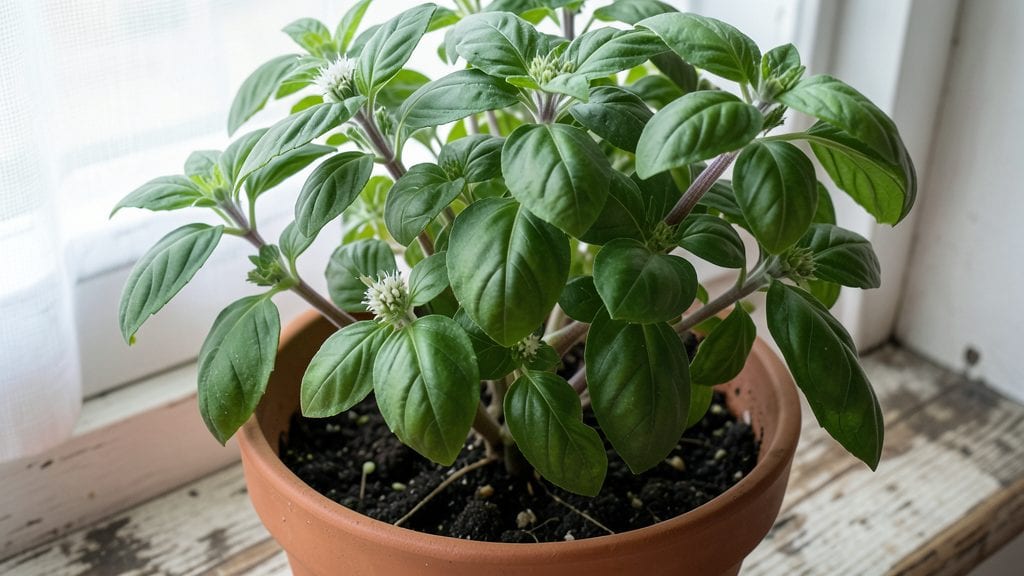
The joy of gardening basil plants from seed is the best way to guarantee flavor-packed harvests all season long—just wait for that sun-kissed bounty of velvety leaves perfect for pesto or pasta. 🌱 The key starts with placing it where it gets at least 6 hours of direct sunlight daily, whether in a sunny windowsill or a garden bed.
You’ll need well-draining soil (mix in compost for extra nutrients) and containers with drainage holes if growing indoors. Water when the top inch feels dry, but avoid soggy soil—basil hates wet feet.
Once seedlings sprout, pinch off the top leaves to encourage bushier growth, and you’ll be harvesting in just 4-6 weeks. The secret? Consistent care and a little pruning to keep it productive.
By summer, your basil will be thriving with glossy leaves and a scent that’ll make your kitchen smell like a Mediterranean market. The best part? You can snip leaves as needed without harming the plant—it grows back faster than you can say "pesto."
Just watch for pests like aphids and yellowing leaves (usually from overwatering), and you’re golden.
This method works for both containers and garden beds, and it’s foolproof for beginners. Whether you’re growing for cooking or just love the aroma, basil is one of the most rewarding herbs to cultivate. Ready to turn your kitchen—or garden—into a flavor factory?
📚 In This Guide
- What you need
- Instructions
- Tips and common mistakes
- Wrapping up and next steps
What you need
- ● Basil Seeds or Seedlings: 10–20 seeds (or 3–5 starter plants) – choose sweet basil, Genovese, or Thai varieties for best results.
- ● Containers or Garden Bed: Containers: 6–12-inch deep pots (with drainage holes) – 1 plant per 6-inch pot or cluster 3–4 plants in a 12-inch pot.
- ● Garden Bed: Full-sun spot (6+ hours/day) with well-draining soil.
- ● High-Quality Potting Mix: 1–2 bags of organic, well-draining soil (or amend garden soil with compost).
- ● Fertilizer: Balanced organic fertilizer (10-10-10) or slow-release granules (follow package instructions).
- ● Watering Can or Hose: With a gentle spray nozzle for even moisture.
- ● Pruning Shears: Sharp, clean scissors for harvesting and trimming.
- ● Mulch: Straw or shredded leaves to retain moisture and suppress weeds.
- ● Plant Markers: Labels to track varieties (especially if growing multiple types).
- ● Grow Lights: For indoor setups (12–16 hours of light/day).
- ● Companion Plants: Marigolds or borage to deter pests naturally.
- ● Harvesting Basket: A small mesh bag or bowl to collect fresh leaves.
Step-by-step instructions for growing basil plants
Here's how to grow basil that's bursting with flavor and thriving under the sun!
🌱 Step 1: Choose the Perfect Spot and Prepare the Soil
Basil craves warmth and light—pick a sunny location that gets at least 6-8 hours of direct sunlight daily. I always test the spot first by observing how much sun it gets over a few days. Avoid areas with strong afternoon winds, which can stress young plants.
Use the 3 gallons of premium potting mix to fill your containers or garden bed. Basil roots need loose, well-draining soil to prevent rot. Mix in a handful of compost to boost nutrients, but don’t overdo it—too much organic matter can make the soil too dense. Press the soil down lightly so it’s firm but not compacted.
🪴 Step 2: Plant Basil Seeds or Transplants at the Right Depth
If starting from seeds, plant them ¼ inch deep—any deeper, and they’ll struggle to break through the soil. For transplants, dig a hole just as deep as the root ball and place the plant gently, ensuring the top of the roots sits just below soil level. I like to space basil plants 12-18 inches apart to give them room to grow strong and healthy.
After planting, water deeply to settle the soil around the roots. You’ll know it’s right when the soil feels evenly moist but not soggy. Avoid watering from above—it can dislodge seeds or young seedlings. Instead, water at the base to keep everything stable.
☀️ Step 3: Provide Consistent Water and Sunlight
Basil thrives with 1 inch of water per week, but always check the soil first—stick your finger 1 inch deep. If it feels dry, it’s time to water. Overwatering is a common mistake, and soggy soil leads to root rot. I water in the morning so the leaves have time to dry before evening, reducing the risk of fungal diseases.
Keep an eye on the sunlight. If your basil starts stretching toward the light with long, pale stems, it’s not getting enough. Move it to a sunnier spot or use a small grow light for 12-14 hours daily if needed. You’ll see the difference in just a few days—strong, compact plants with vibrant green leaves.
✂️ Step 4: Prune and Harvest for Continuous Growth
Pinch off the top set of leaves when the plant reaches 6 inches tall. This encourages bushier growth and prevents the plant from flowering too soon, which makes the leaves bitter. I always use clean scissors or fingers to avoid damaging the stems. After pruning, water lightly to help the plant recover.
Harvest leaves regularly from the top down to keep the plant productive. Pick leaves in the morning when they’re at their freshest. You’ll know you’re doing it right when new growth appears within 1-2 weeks. Avoid harvesting more than ⅓ of the plant at once—this keeps it healthy and encourages more flavorful regrowth.
💧 Step 5: Protect and Maintain Through the Season
Watch for pests like aphids or spider mites, which love basil. If you spot them, spray the leaves with a mix of 1 tablespoon mild soap and 1 quart water. This gentle solution keeps the plants safe without harming the flavor. I check the undersides of leaves regularly—pests love to hide there.
As the season progresses, fertilize lightly every 4-6 weeks with a balanced, water-soluble fertilizer. Too much fertilizer can make the leaves grow fast but lose flavor. Stop fertilizing 4-6 weeks before the first frost to let the plant focus on hardening off for winter.
Tips & tricks for perfect basil plants
Growing basil that tastes like it came straight from an Italian kitchen is all about the little details—and I’ve learned them the hard way! These tricks will help you avoid common pitfalls and grow basil that’s practically begging to be used in your favorite pesto or tomato sauce.
Sunlight Secret: That 6-8 hours of direct sunlight is non-negotiable, but here’s the thing: morning sun is your best friend. If you’re growing basil in containers, rotate them every few days so all sides get equal light exposure. I’ve seen basil plants stretch toward the light like they’re reaching for a hug—this is called "leggy growth," and it’s a clear sign they’re not getting enough sun. If you notice this, move your plants to a sunnier spot immediately or add a small grow light for 12-14 hours daily to keep them compact and flavorful.
Soil Sensibility: The 3 gallons of premium potting mix should be fluffy, not packed like dirt from a construction site. I like to mix in a handful of perlite or coarse sand to improve drainage—basil roots hate soggy feet! If your soil feels heavy or compacted, add a little more potting mix or even some coconut coir to lighten it up. And here’s a pro move: water the soil before planting to settle it and create a cozy environment for those tiny roots to spread out.
Watering Wisdom: The 1 inch of water per week rule is a great starting point, but don’t rely on the calendar—check the soil first! Stick your finger 1 inch deep; if it feels dry, it’s time to water. Overwatering is the silent killer of basil plants, leading to root rot that turns your lush green leaves into a sad, mushy mess. I water in the morning so the leaves have time to dry out during the day, which helps prevent fungal diseases like powdery mildew. And always water at the base—avoid getting the leaves wet to keep everything healthy.
Pruning Payoff: Pinching off the top set of leaves when your basil reaches 6 inches tall is like giving your plant a spa day. It encourages bushier growth and keeps the flavor vibrant by preventing early flowering. I use my fingers to pinch—no need for scissors unless you’re dealing with larger stems. After pruning, give your plant a light drink of water to help it recover. And here’s a bonus tip: harvest leaves from the top down to encourage continuous growth. You’ll know you’re doing it right when you see new leaves popping up within 1-2 weeks—it’s like watching magic happen!
Pro Tips for Gardening Basil Plants
- Growing basil that tastes like it came straight from an Italian kitchen is all about the little details—and I’ve learned them the hard way!
- Sunlight Secret: That 6-8 hours of direct sunlight is non-negotiable, but here’s the thing: morning sun is your best friend.
- Soil Sensibility: The 3 gallons of premium potting mix should be fluffy, not packed like dirt from a construction site.
Frequently asked questions
Got questions about growing basil? You’re in the right place! Here are some of the most common queries—plus quick, actionable answers to keep your plants thriving.
How often should I water my basil plants?
Basil loves moisture but hates soggy roots. Water when the top inch of soil feels dry—usually every 2–3 days in hot weather. Pro tip: Use a spray bottle for leaves to mimic humidity, especially in dry climates. Avoid overhead watering to prevent fungal diseases like downy mildew.
When is the best time to harvest basil?
Harvest leaves when your plant is at least 6 inches tall, but don’t take more than 1/3 of the plant at once. Pinch off leaves just above a pair of leaves to encourage bushier growth. For maximum flavor, harvest in the morning after the dew has dried. Bonus: Regular harvesting keeps plants productive for months!
Can I grow basil indoors without sunlight?
Yes, but you’ll need a grow light (12–16 hours/day) or a south-facing window. Basil thrives on 6+ hours of direct light daily. If leaves turn pale or stretch (called "legging"), it’s time to move it closer to light. A sunny windowsill or a grow bulb can save your indoor basil!
Why are my basil leaves turning yellow or spotted?
Yellow leaves often mean overwatering or poor drainage. Check for root rot by gently tugging on the plant—if it pulls easily, it’s time to repot with fresh, well-draining soil. Spots or holes? Pests like aphids or spider mites might be the culprit. Spray with neem oil or insecticidal soap for a natural fix.
What’s the best way to preserve fresh basil?
For short-term use, store stems in a glass of water like flowers in a vase (change water every 2 days). Freeze leaves in ice cube trays with water or oil for cooking later. Drying works too—bundle stems and hang upside down in a dark, dry place until crispy (about 2 weeks).
Still stumped? Drop your question in the comments—we’re happy to help your basil grow like a pro!
Wrapping up and next steps
Growing your own basil is a rewarding journey that brings fresh, vibrant flavors straight to your kitchen—and your plate! 🌿 Whether you're a beginner or a seasoned gardener, these sun-loving secrets will help you cultivate lush, productive plants with minimal fuss.
Start small, stay consistent, and soon you’ll be harvesting bountiful leaves for pesto, salads, and more.
Ready to take the next step? Try planting a few basil seeds or seedlings this week and watch your garden (and your cooking!) transform. Happy growing—your taste buds will thank you! 🍃