Pests and Diseases
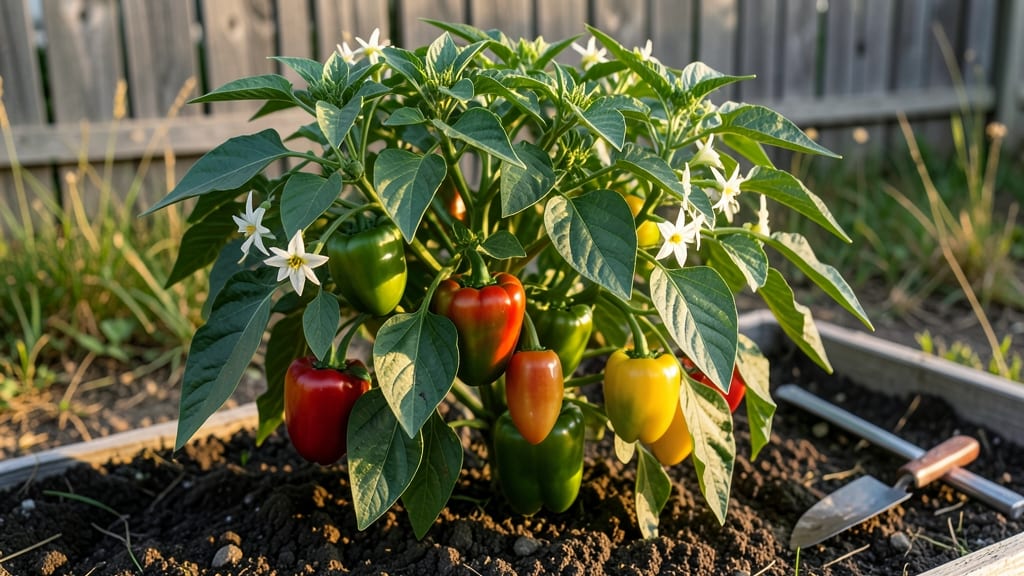
Mastering pepper gardening tips taught me that patience and a few simple tricks turn stubborn plants into prolific producers—soil warmth, consistent moisture, and timing make all the difference. knowing when to prune—not just throwing seeds in the ground and hoping.
My first year, I nearly gave up after just three peppers formed. Now, I fill jars with them every summer.
The secret starts with the right setup: a warm spot (peppers hate cold soil), well-draining soil mixed with compost, and containers at least 5 gallons deep for each plant. Most gardeners overlook the 75°F minimum soil temperature—plant too early, and growth stalls.
I use black plastic mulch to heat the soil faster, and it cuts down on weeds while keeping moisture locked in. Watering matters too; peppers need 1-1.5 inches per week, but soggy soil invites disease.
By midseason, you’ll see thick, glossy leaves and clusters of blooms turning into peppers. The real magic happens when you prune suckers (those little shoots between stems) and hand-pollinate flowers if your garden stays too damp. My plants now produce 50+ peppers each, and the flavor?
Nothing from the store compares. The key is watching for early signs of pests like aphids or blossom end rot—both are easy to fix if caught soon.
This works for bell peppers, jalapeños, or habaneros, whether you’re growing in pots or garden beds. The same principles apply whether you’re in Zone 5 or 10—just adjust your planting timeline. Ready to turn your garden into a pepper powerhouse? Let’s get those seeds started.
📚 In This Guide
- What you need
- Instructions
- Tips and common mistakes
- Wrapping up and next steps
What you need
- ● Pepper Seeds or Seedlings: Choose disease-resistant varieties (e.g., Jalapeño, Bell, Cayenne, or Habanero). Quantity: 3–5 plants per person (or 1–2 per container if growing in pots).
- ○ Growing Containers (Optional but Helpful): Minimum size: 5-gallon pots (deeper is better for root growth). Material: Fabric grow bags, plastic, or ceramic (ensure drainage holes!).
- ● Soil: Well-draining potting mix (avoid garden soil—it compacts and retains too much moisture). Add compost or worm castings (10–20% by volume) for nutrients. pH level: 6.0–7.0 (test with a soil kit if unsure).
- ● Fertilizer: Balanced fertilizer (e.g., 10-10-10 or 5-5-5) at planting. Low-nitrogen, high-phosphorus fertilizer (e.g., 7-9-5) when flowers appear.
Step-by-Step instructions for growing peppers like a pro
Here's the straightforward method I've used to grow peppers that produce all season long.
Start Seeds Indoors at the Right Time
Begin seeds indoors 8-10 weeks before your last frost date. Peppers need warmth to germinate, so I place them on a seedling heat mat set to 75-85°F. Fill the 4-inch seedling trays with the 2 gallons of seed-starting mix and moisten it until damp but not soggy.
Plant seeds ¼ inch deep, two per cell, since germination rates can be inconsistent. Cover lightly with additional mix and mist until the surface looks evenly moist. Keep the trays covered with plastic wrap or a humidity dome until sprouts appear, which typically takes 7-14 days.
Once seedlings emerge, remove the cover immediately to prevent damping-off. Place them under grow lights for 14-16 hours daily, keeping the lights 2-3 inches above the plants. You'll see strong, compact growth when leaves are dark green and stems are thick.
Harden Off and Transplant Outdoors
Two weeks before transplanting, start hardening off seedlings by placing them outside in a sheltered spot for 1-2 hours the first day. Gradually increase their outdoor time over 7-10 days, until they can handle a full day outside without wilting.
Transplant seedlings into the garden after all danger of frost has passed and soil temperatures reach at least 60°F. Dig holes 12-18 inches apart in rows spaced 18-24 inches apart to allow for airflow. Mix 1 cup of compost into the planting hole to give roots a nutrient boost.
Place each seedling in the hole, firm the soil around the base, and water deeply. Avoid disturbing the root ball—peppers hate having their roots exposed. You'll know they're settled when new leaves start forming within 5-7 days of transplanting.
Provide Consistent Water and Nutrients
Peppers need 1-1.5 inches of water per week, delivered at the base of the plant to avoid wetting the leaves. I water deeply 2-3 times per week, checking the soil 1 inch below the surface—if it feels dry, it's time to water. Mulch with 2-3 inches of straw to retain moisture and suppress weeds.
Fertilize every 3-4 weeks with the 10-10-10 fertilizer, using 1 tablespoon per plant mixed into the soil. Start fertilizing when flowers appear, as peppers need extra nutrients to develop fruit. You'll notice stronger stems and more blooms when you follow this schedule.
Watch for signs of stress, like yellowing leaves or stunted growth. These often mean the plant needs more water or nutrients. Adjust your care routine based on what you observe—peppers are forgiving if you catch issues early.
Prune and Support for Better Yields
Prune suckers—the small shoots that grow in the leaf axils—regularly to encourage fruit production. Use clean, sharp pruners to remove these shoots, as they divert energy away from fruit development. Focus on keeping the plant bushy but not overcrowded.
Stake taller varieties with 5-foot bamboo stakes or use cages for support. Secure the main stem loosely to the stake as it grows to prevent snapping in wind or rain. You'll see healthier plants with fewer broken stems and more accessible fruit when they're properly supported.
Remove any fruit that appears before the first frost if you're in a short-season climate. This redirects the plant's energy into developing the remaining peppers for a better harvest later in the season.
Harvest and Extend the Season
Harvest peppers when they reach their mature color and size, using pruners or clean scissors to avoid damaging the plant. Pick frequently—this encourages more production. Store harvested peppers in a cool, dry place or preserve them by drying, freezing, or canning.
To extend the season, cover plants with frost cloth when temperatures drop below 50°F. This protects them from cold snaps and allows you to keep harvesting well into fall. You'll be rewarded with peppers long after most gardens have given up for the year.
Save seeds from your best peppers by fermenting them in a jar of water for 3-5 days, then drying them on a paper towel. Store seeds in a cool, dry place for next year's garden—this ensures you'll always have varieties that thrive in your climate.
Tips & tricks for perfect pepper gardening
These practical strategies will help you avoid common pitfalls and maximize your pepper harvest from seed to harvest.
Temperature Control: Maintaining the right heat is critical, especially in Step 1 when you're starting seeds indoors. While the instructions specify 75-85°F for germination, I've found that consistency matters more than exact degrees. If your home fluctuates, consider using an adjustable heat mat that can maintain 80°F constantly. This steady warmth ensures your seeds germinate within that 7-14 day window without delay. Once your seedlings emerge, keep them under grow lights for 14-16 hours daily—this light schedule mimics summer conditions and prevents leggy growth.
Harden Off Gradually: The 1-2 hour outdoor exposure in Step 2 might seem short, but this gradual approach prevents shock. I've seen many gardeners rush this process, only to have their seedlings wilt dramatically. Start with morning sun when temperatures are cooler, and always bring plants back indoors before evening. Over those 7-10 days, you'll notice the seedlings develop a deeper green color—this is your sign they're adapting well to outdoor conditions.
Watering Wisdom: When you're providing 1-1.5 inches of water weekly in Step 3, focus on consistency rather than quantity. I use a rain gauge near my pepper plants to track exactly how much water they receive. The key is to water deeply at the base, never wetting the leaves—this prevents fungal diseases like powdery mildew. Mulching with 2-3 inches of straw helps maintain even moisture levels in the soil, which is especially important during hot afternoons when evaporation happens quickly.
Season Extension Strategy: The frost cloth recommendation at 50°F is brilliant, but here's what nobody tells you: you can actually extend this protection even further. I've had success using frost cloth down to 40°F for short periods, though growth will slow significantly. Pair this with a small greenhouse light for 4-6 hours daily to keep your plants producing well into late fall. This simple addition can add 4-6 weeks to your harvest season.
Pro Tips for Pepper Gardening Tips
- These practical strategies will help you avoid common pitfalls and maximize your pepper harvest from seed to harvest.
- Temperature Control: Maintaining the right heat is critical, especially in Step 1 when you're starting seeds indoors....
- Harden Off Gradually: The 1-2 hour outdoor exposure in Step 2 might seem short, but this gradual approach prevents sh...
Frequently asked questions
Got questions about growing peppers?
You’re not alone! Here are answers to the most common pepper gardening concerns—from troubleshooting pests to maximizing yields.
How do I prevent pepper plants from getting blight or mold?
Blight and mold thrive in humid, crowded conditions. Space plants 18–24 inches apart for airflow, water at the base (not overhead), and avoid wet foliage. Remove infected leaves immediately, and rotate crops yearly. For extra protection, apply a copper fungicide preventatively in damp climates.
What’s the best way to deal with pepper pests like aphids or hornworms?
Handpick hornworms (they’re easy to spot!) and crush aphids with a strong spray of water. For larger infestations, use neem oil or insecticidal soap. Introduce beneficial predators like ladybugs or lacewings for long-term control. Always check the undersides of leaves—pests love hiding there!
When is the best time to harvest peppers for maximum flavor?
Harvest bell peppers when firm and fully colored (green, red, etc.). For hot peppers, pick when they reach peak color but before they wrinkle. Morning harvests yield the freshest peppers. Pro tip: Leave a few peppers to overripe on the plant to encourage more production!
Can I grow peppers in containers, and what’s the ideal pot size?
Yes! Peppers thrive in containers if the pot is at least 5 gallons (bigger for bush varieties). Use well-draining soil with compost, and place pots in full sun (6+ hours/day). Dwarf varieties like ‘Jalapeño M’ or ‘Shishito’ adapt best to containers.
What should I do if my pepper plants stop flowering or fruiting?
Common causes include heat stress (over 90°F), low pollination, or nutrient deficiencies. Hand-pollinate flowers with a paintbrush if bees are scarce, and ensure consistent watering. Add a balanced fertilizer (like 10-10-10) if leaves look pale. Shade cloth can help in extreme heat.
Wrapping up and next steps
Growing peppers can be incredibly rewarding—whether you're battling aphids, powdery mildew, or just aiming for that perfect harvest! 🌱 With the right tools, preventative care, and quick fixes, your pepper plants can thrive year after year.
Remember: consistency is key, and even small adjustments (like proper spacing or organic sprays) make a huge difference.
Ready to take your pepper garden to the next level? Start small: try one new tip this season—whether it’s introducing beneficial insects or rotating crops—and watch your plants flourish! 🌶️ Happy gardening!