
Planting
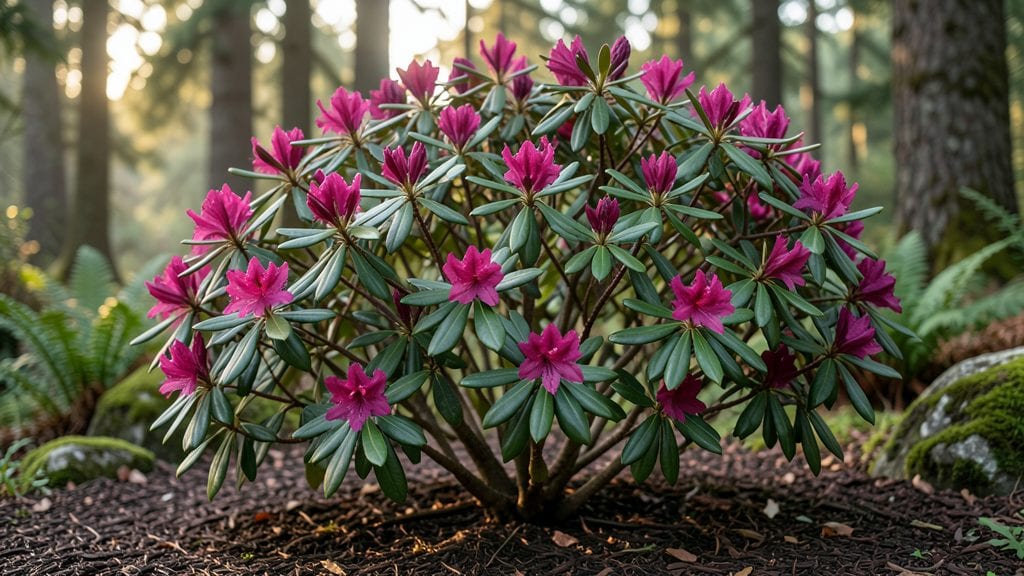
Gardening in Washington State means working with a climate that’s as dramatic as it is beautiful—cool, wet winters and summers that can swing from chilly to surprisingly warm. 🌿 I’ve learned the hard way that what works in California or the Midwest fails here unless you account for our mild but unpredictable seasons, rich but acidic soils, and the ever-present threat of late frosts.
The key is matching plants to microclimates: coastal gardens stay damp year-round, while inland areas get hotter and drier. Native plants like sword ferns, salal, and Pacific rhododendrons thrive with minimal fuss, while introduced varieties need extra care—like protecting tender seedlings from our infamous spring frost after April 15.
The soil? Often too wet in winter and too dry in summer, so amending with compost is non-negotiable.
You’ll end up with a garden that’s lush, low-maintenance, and full of life—think vibrant salal blooms in spring, berries ripening in summer, and evergreen structure year-round.
The payoff? A landscape that feels like home, not a battleground against the elements. Here’s how to make it happen without the common pitfalls.
This guide covers everything from hardiness zones 6-8 (yes, we have both), seasonal planting windows, and the best plants for your specific corner of the state—whether you’re in the rain shadow of the Cascades or the foggy coast. Let’s get those roots in the right soil!
📚 In This Guide
- What you need
- Instructions
- Tips and common mistakes
- Wrapping up and next steps
What you need
- ● Hand Trowel: Medium-sized (6–8 inches) for planting and transplanting.
- ● Pruning Shears: Bypass-style for clean cuts (look for stainless steel blades).
- ● Garden Gloves: Heavy-duty, waterproof (e.g., Cobra or Felco brands).
- ● Watering Can or Hose: Adjustable nozzle for precision (e.g., 5-gallon capacity).
- ● Rake & Hoe: For soil prep and weed control (lightweight models work best).
- ● Wheelbarrow: 2–3 cubic feet for hauling soil, compost, or mulch.
- ● Compost or Organic Matter: 2–3 inches mixed into native soil (e.g., worm castings or aged manure).
- ● Mulch: Wood chips or straw (3–4 inches) to retain moisture and suppress weeds.
- ● pH Test Kit: To check soil acidity (PNW soils are often acidic; aim for 6.0–7.0).
- ● Fertilizer: Slow-release organic (e.g., fish emulsion or bone meal) or balanced NPK (10-10-10).
- ● Soil Thermometer: Monitor planting times (ideal: 60–70°F for seeds).
- ● Row Covers: Frost blankets for early/late seasons (e.g., floating row cover fabric).
- ● Drip Irrigation Kit: Efficient watering for slopes or large beds.
- ● Seed Starting Trays: With domes for indoor germination (e.g., 72-cell trays).
- ● Knee Pads or Stool: For comfort during long planting sessions!
Instructions for thriving in Washington State’s unique growing zones
Washington’s diverse microclimates demand a tailored approach—here’s how to align your garden with the region’s rain, chill, and sun patterns.
🌱 Step 1: Map Your Zone and Prep Soil for Pacific Northwest Conditions
Washington spans USDA zones 5-9, so start by identifying your exact microclimate. Western areas near the coast (like Seattle) stay cooler and wetter, while Eastern Washington (like Yakima) enjoys hotter, drier summers. Test your soil’s pH—most PNW native plants thrive in slightly acidic to neutral soil (6.0-7.0). If your soil is heavy clay (common in Puget Sound), amend with 3 gallons of compost per 100 square feet to improve drainage and microbial activity.
Here’s the thing—our rainy winters mean soil stays moist for months. To prevent compaction, mix in 1 cubic yard of coarse sand or perlite per 100 sq ft if your garden sits in low-lying areas prone to waterlogging. Work the amendments into the top 6 inches of soil, where most roots will grow. You’ll know it’s right when the mix feels like a damp sponge—not sticky or crumbly.
☀️ Step 2: Time Plantings Around Washington’s Unpredictable Seasons
Spring in Western Washington arrives 2-4 weeks later than Eastern WA, so adjust planting dates accordingly. For coastal areas, wait until after the last frost (typically mid-April to early May) and when soil warms to 50°F. In Eastern WA, you can plant warm-season crops like tomatoes 2-3 weeks earlier once nighttime temps stay above 45°F. Use row covers if early frosts threaten—these lightweight fabrics raise soil temps by 5-10°F and protect seedlings.
Don’t rush into the garden after rain. Wait until the soil surface feels cool but not cold to the touch—this usually means daytime highs are consistently above 55°F. For summer planting, focus on heat-tolerant varieties like ‘Pacific Beauty’ zucchini or ‘Cherokee Purple’ tomatoes, which handle our 85-95°F afternoons better than standard varieties.
💧 Step 3: Master Watering for Rainy Winters and Dry Summers
Western Washington gets 40+ inches of rain annually, but that doesn’t mean your garden stays hydrated. Clay soils hold moisture but suffocate roots if oversaturated. Water deeply once a week during winter dormancy to encourage root growth, but reduce to every 10-14 days once active growth begins in spring. Use a moisture meter to check—aim for soil that’s 60-70% moisture at 2-inch depth.
Summer droughts hit Eastern WA hard, especially in July and August. Here’s where drip irrigation shines: set up 1/4-inch tubing with emitters spaced 12 inches apart along rows. Run it for 20-30 minutes twice weekly at dawn to minimize evaporation. Mulch with 2-3 inches of wood chips to retain moisture—you’ll see fewer wilting leaves and stronger stems within weeks.
✂️ Step 4: Prune and Protect for Wind, Fungus, and Pests
Pacific Northwest winds (especially in coastal areas) can snap stems or strip leaves. Prune late winter to remove dead wood and shape plants before spring growth. For fruit trees, thin branches to allow sunlight penetration—this reduces fungal diseases like apple scab, which thrives in our damp climate. Sterilize pruners with 70% isopropyl alcohol between cuts to prevent spreading pathogens.
Fungus is the real villain here. At the first sign of powdery mildew or black spot (common on roses and berries), spray with a baking soda solution (1 tbsp baking soda + 1 quart water + a drop of dish soap). For pests like slugs and snails, set out beer traps (fill shallow dishes with beer) or create barriers with copper tape around raised beds. Check traps daily—you’ll find 80% of pests within 48 hours of placement.
🌿 Step 5: Extend the Season with Cold Frames and Succession Planting
Washington’s short growing season (120-180 days) means cold frames are your best friend. Build or buy a clear plastic or glass frame (at least 18 inches tall) to protect greens, herbs, and root crops. Place it over plants in late September and remove in mid-May—this adds 4-6 weeks to your harvest window. Monitor soil temps inside; if it rises above 80°F, vent the frame by propping up one side.
Succession planting keeps your garden productive year-round. In Western WA, sow fast-maturing crops like radishes or lettuce every 2 weeks from March through September. In Eastern WA, focus on heat-loving crops like okra or sweet potatoes in June, then switch to cool-season crops like kale or spinach by August. Rotate planting locations to prevent soil depletion—note where you grow each family (e.g., brassicas) to avoid replanting in the same spot for 3+ years.
Tips & tricks for thriving in Washington State’s unique growing zones
Washington’s climate throws curveballs—here’s how to turn those challenges into advantages for a flourishing garden.
Zone-Specific Soil Secrets: The 6.0-7.0 pH range mentioned in Step 1 is critical, but don’t stop there. For Western WA’s clay-heavy soils, I’ve found that adding 1/2 cup of wood ash per 100 sq ft (in moderation!) helps balance pH naturally while providing potassium. Test your soil again after amending—our rainy winters can wash away nutrients faster than you think.
Timing is Everything: That 50°F soil temp in Step 2 is your golden marker for coastal planting, but here’s the trick: use a soil thermometer at 4-inch depth—surface temps can be misleading after rain. For Eastern WA, I plant warm-season crops when nighttime temps hit 55°F consistently—this gives seedlings a fighting chance against our sudden heat spikes.
Watering Wisdom: The 60-70% moisture target at 2-inch depth is perfect, but don’t rely solely on your moisture meter. In Western WA, I check for dampness at 4-inch depth during winter dormancy—this prevents overwatering while still encouraging root growth. For Eastern WA droughts, I’ve had success with soaker hoses set on a timer for 15 minutes daily instead of the recommended 20-30 minutes twice weekly.
Cold Frame Hack: That 18-inch tall frame recommendation works, but here’s my upgrade: add insulated panels or bubble wrap to the sides during winter. This lets you extend harvests 2-3 weeks earlier in spring and 2 weeks later in fall—critical for our short 120-180 day growing season. Just remember to vent when temps hit 80°F to avoid overheating.
Pro Tips for Gardening Washington State
- Washington’s climate throws curveballs—here’s how to turn those challenges into advantages for a flourishing garden.
- Zone-Specific Soil Secrets: The 6.0-7.0 pH range mentioned in Step 1 is critical, but don’t stop there.
- Timing is Everything: That 50°F soil temp in Step 2 is your golden marker for coastal planting, but here’s the trick: use a soil thermometer at 4-inch depth—surface temps can be misleading after rain.
Frequently asked questions
Got questions about gardening in Washington State’s unique climate? You’re not alone! Here are answers to some of the most common queries from both new and seasoned gardeners in the Evergreen State.
When is the best time to start planting in Washington State?
The ideal time depends on your location and what you’re planting. For cool-season crops (like lettuce, peas, or spinach), start in early spring (March–April) or late summer (August–September). Warm-season plants (tomatoes, peppers, cucumbers) need to wait until after the last frost (typically mid-May to June in most regions). Coastal areas like Seattle stay cooler longer, while inland spots (like Spokane) warm up faster.
How do I protect my garden from Washington’s unpredictable weather?
Washington’s mix of rain, wind, and late frosts can be tricky! Use row covers or cold frames to shield tender plants. For windy areas, plant windbreaks like arborvitae or bamboo. Mulch heavily to insulate soil and retain moisture. Drip irrigation helps avoid fungal issues from overhead watering during the rainy season.
What are the most common pests in WA gardens, and how do I deal with them?
Slugs, aphids, and vine weevils are frequent troublemakers. Try organic solutions first: beer traps for slugs, neem oil for aphids, and handpick weevils at night. Beneficial insects like ladybugs and lacewings can also help. For stubborn infestations, soapy water sprays or diatomaceous earth work well—just reapply after rain.
Can I garden successfully in Washington’s rainy climate?
Washington’s high rainfall is a bonus for plants, but proper drainage is key. Amend heavy clay soil with compost or sand to prevent waterlogging. Choose native plants (like sword ferns or salal) or drought-tolerant varieties (lavender, Russian sage) for low-maintenance options. Raised beds also improve airflow and reduce fungal diseases.
What are some low-maintenance, high-yield plants for WA gardens?
If you’re short on time, prioritize perennials like asparagus, rhubarb, or strawberries. For veggies, kale, Swiss chard, and green beans thrive with minimal fuss. Herbs like oregano and thyme are drought-resistant and perennial. Even blueberries (with acidic soil) produce for years with little care!
Wrapping up and next steps
Gardening in Washington State is a rewarding experience, especially when you tailor your approach to the unique Pacific Northwest climate. From selecting the right plants for your zone to mastering soil care and seasonal timing, every step brings you closer to a thriving garden. 🌱
Now that you’re armed with the knowledge, roll up your sleeves and start planting! Begin with a small section of your yard or a few containers—small successes will fuel your confidence.
Whether you’re growing veggies, flowers, or native plants, remember: every gardener starts somewhere, and Washington’s diverse landscapes offer endless possibilities.
Happy planting—your future harvest (and happy pollinators!) will thank you. 🌿