Vegetables
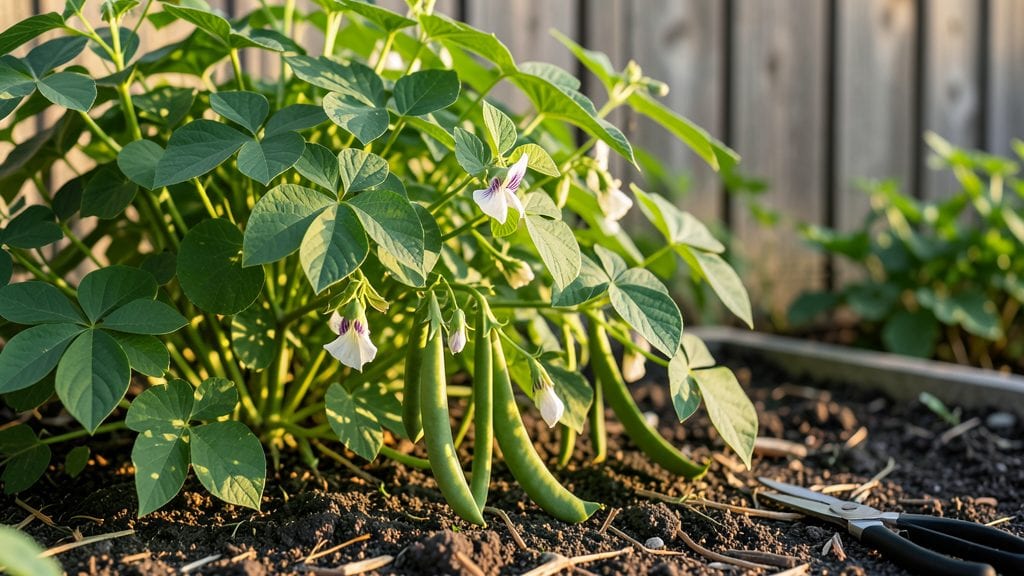
Garden beans and green beans aren't the same: garden beans include dried varieties like kidney or wax beans, while green beans specifically refer to the young, unripe pods of Phaseolus vulgaris harvested before seeds form. Both belong to the same family but serve distinct roles in cooking.
This distinction matters because the terms describe different stages of the same plant's life cycle. 🌱 Green beans are harvested early—when pods are tender and crisp—while garden beans are allowed to mature fully, developing hard seeds inside.
The confusion often comes from how stores label products, where "garden beans" might refer to dried varieties or even different species like lima beans, while "green beans" strictly mean the fresh, immature pods.
For example, you wouldn't use dried kidney beans (a garden bean) in place of fresh green beans in a salad.
Understanding this helps you choose the right bean for your dish: green beans shine in quick-cooked recipes like stir-fries, while dried garden beans add heartiness to soups and stews. The key difference lies in their texture and preparation—one is fresh and delicate, the other tough and requiring soaking.
💡 In This Article
- Botanical and Growth Differences Between Beans
- Culinary Uses and Substitutions for Garden vs. Green Beans
Botanical and growth differences between beans
The confusion between garden beans and green beans starts with Phaseolus vulgaris, the scientific name for the common bean plant. This species produces two fundamentally different harvests: the tender, immature pods we call green beans, and the mature seeds that become dried garden beans like kidney or pinto beans.
The key difference lies in when you harvest them—green beans are picked at 5-7 inches long when pods are still crisp and seeds are tiny, while garden beans are left on the vine until pods turn dry and papery, with fully developed seeds inside.
Here's what's actually happening botanically: When you harvest green beans early, the plant's energy focuses on growing the pod structure rather than developing seeds. The pods contain 1-4 undeveloped seeds that are barely visible to the naked eye.
In contrast, garden beans require the plant to allocate resources to seed development, creating hard, starch-rich seeds that can be stored for months.
The pod itself becomes tough and fibrous, making it inedible—only the seeds are used. 🌱 This is why you'll never find dried green beans in stores; they're harvested at completely different stages.
The visual differences are striking when comparing the two. Fresh green beans have a bright green color, thin walls (1-2 millimeters thick), and a snappy texture that snaps cleanly when bent. Their seeds are barely noticeable through the translucent skin.
Mature garden beans, however, show pods that have turned brown and dried out, with walls that can be 3-5 millimeters thick—too tough to eat raw. The seeds inside are the star, ranging from 0.5-1.5 centimeters in diameter depending on the variety.
What most people don't realize is that even within "garden beans," there are multiple botanical classifications. The term encompasses several species beyond Phaseolus vulgaris, including Vigna unguiculata (cowpeas) and Phaseolus lunatus (lima beans). These varieties follow the same growth pattern but produce distinctly different seed shapes and sizes.
For example, lima beans develop large, flat seeds that can be 1.5-2 centimeters wide, while kidney beans form their characteristic curved shape. This diversity explains why grocery stores might label different products as "garden beans" when they're actually from entirely separate plant families.
Harvest timing isn't just about maturity—it's about environmental conditions too. Green beans thrive in 60-70°F temperatures and need consistent moisture to maintain their tenderness. If left on the vine too long, they'll develop tough fibers and bitter flavors.
Garden beans, however, require warmer conditions (75-85°F) and drier air to properly dry on the vine. This is why many gardeners in cooler climates struggle to produce quality dried beans—they need 2-3 weeks of dry weather after flowering to properly mature.
The structural differences extend to cellular level: green bean pods contain high moisture content (85-90%) and thin cell walls that collapse when overcooked. Garden bean seeds, meanwhile, develop thick cell walls and starch granules that make them ideal for long-term storage.
This cellular architecture explains why green beans wilt quickly when cooked too long, while dried garden beans can withstand hours of simmering without falling apart. 💫