
Tools
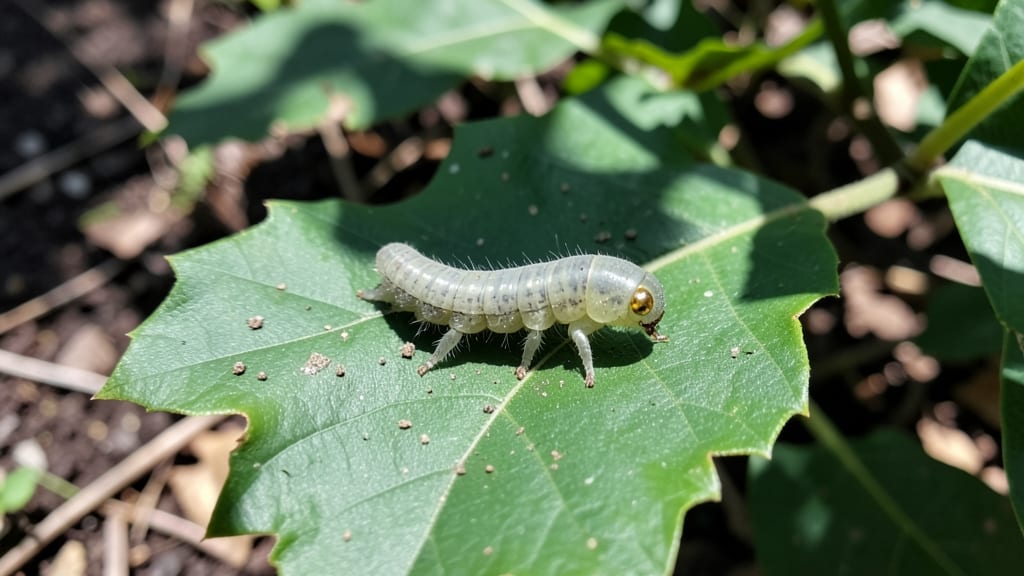
A gardening bug net is the unsung hero of organic pest control—lightweight, breathable mesh that keeps insects out while letting your plants thrive. 🌿 I’ve used them to protect my tomato plants from hungry hornworms and my squash from squash bugs, and the difference is night and day.
Without chemicals, my harvests stay healthy and my garden stays humane.
These nets come in different sizes and materials, from lightweight polyester to sturdy nylon. You’ll want something that’s easy to handle but strong enough to last through wind and rain.
The key is choosing a mesh size small enough to block pests like aphids and cabbage worms—typically 0.6mm or finer—but large enough to allow airflow so your plants don’t sweat. Install them early in the season, before pests arrive, and secure them tightly to avoid gaps.
Once you’ve got your net in place, maintenance is minimal. Just check for tears after storms or strong winds, and give the mesh a quick rinse with water if it gets dusty. The payoff?
No more wilted leaves from aphid attacks, no more missing fruit from beetles, and no more reaching for pesticides. Your plants will grow stronger, faster, and with fewer blemishes—and you’ll sleep better knowing you’re keeping your garden chemical-free.
For smaller plants or delicate flowers, consider fine-mesh tunnels or hoop houses instead of flat sheets. If you’re growing in containers, look for nets with elastic edges for a snug fit. The right net turns any garden—balcony, backyard, or raised bed—into a pest-free sanctuary. Let’s get those plants protected!
The Real Culprits Behind Pest Intrusions
Pests don’t just randomly invade your garden—they’re drawn by specific triggers. Understanding these causes helps you strategically use a gardening bug net (or other tools) to keep them at bay. Let’s break down why pests show up uninvited.
Weak or densely packed plants create the perfect pest buffet. Here’s why:
- Stress Signals: Plants under stress (from drought, poor soil, or overcrowding) release volatile organic compounds (VOCs) that attract pests like aphids, whiteflies, and spider mites.
These pests love stressed-out plants because they’re easier to feed on. - Shelter Opportunities: Thick foliage or tightly packed leaves provide hiding spots for insects, making it harder for birds or beneficial insects to spot and eat them. - Nutrient Imbalance: Over-fertilized or nutrient-deficient plants become more susceptible.
For example, soft new growth from excessive nitrogen lures chewing insects like cabbage worms.
Actionable Fix: Prune regularly to improve airflow, space plants properly, and ensure balanced fertilization. A gardening bug net can shield vulnerable seedlings or newly transplanted plants until they strengthen.
Pests have a nose (or antennae) for trouble—and your garden might be sending out an all-you-can-eat invitation.
- Nectar-Rich Flowers: While pollinators love them, flowers like marigolds, cosmos, and even some herbs (e.g., dill, fennel) attract soft-bodied pests like aphids and thrips.
These insects feed on nectar but also damage leaves. - Fruit and Vegetable Ripeness: Overripe or rotting produce emits ethylene gas and sugars, signaling pests like fruit flies, hornworms, and earwigs that a meal is ready. - Sap and Honeydew: Aphids and scale insects excrete honeydew—a sticky, sugary substance that attracts ants (who "farm" the pests) and sooty mold (a fungal growth that blocks sunlight).
Actionable Fix: Remove spent blooms promptly, harvest crops before overripening, and use gardening bug nets over fruit clusters to block access. For honeydew issues, blast pests off with water or apply insecticidal soap.
Pests thrive in specific conditions, and your garden’s microclimate might be a pest paradise.
- High Humidity: Fungal gnats, slugs, and snails love damp environments.
Poor drainage or mulch piled too thickly creates ideal breeding grounds. - Warmth Retention: Dark soil, black plastic mulch, or south-facing gardens trap heat, speeding up pest life cycles (e.g., squash bugs lay eggs faster in warm soil). - Rain and Wind: Heavy rain washes away natural predators (like ladybugs) and deposits pest eggs (e.g., squash vine borers) directly onto plants.
Wind can also disperse lightweight pests like spider mites.
Actionable Fix: Improve drainage with raised beds or gravel, use reflective mulch to deter pests, and time outdoor work during cooler parts of the day. A lightweight mesh net draped over rows can shield plants from windborne invaders.
Pests don’t always win—when their predators vanish, they multiply unchecked.
- Pesticide Overuse: Broad-spectrum chemicals kill both pests and their natural enemies (ladybugs, lacewings, parasitic wasps).
This creates a vacuum where pests rebound with no competition. - Monoculture Planting: Large patches of a single crop (e.g., a vegetable garden with only tomatoes) attract specialized pests and starve out diverse predator species. - Habitat Loss: Removing wildflowers, leaf litter, or untidy garden corners eliminates hiding spots for beneficial insects.
Actionable Fix: Introduce companion plants (e.g., basil near tomatoes to repel whiteflies), avoid chemical sprays, and leave some "wild" areas for predator insects. A gardening bug net can buy time while you rebuild the ecosystem.
Sometimes, pests aren’t even from your garden—they’re stowaways.
- Tool and Soil Movement: Contaminated tools, shared soil, or even your shoes can transport eggs or larvae from one area to another.
- New Plants: Infested nursery plants (especially perennials or bulbs) bring pests like vine weevils or nematodes into your garden undetected.
- Wildlife Visitors: Birds, squirrels, or even wind can drop pest eggs (e.g., squash bug eggs) onto your crops.
Actionable Fix: Quarantine new plants for a week, sterilize tools between uses, and inspect garden edges for hitchhikers. A fine-mesh bug net can prevent accidental drops during planting.
Pro Tip 💡: Rotate your defenses! Pests adapt to single solutions (like nets or sprays), so combine methods—use gardening bug nets for physical barriers, introduce predators, and monitor for early signs of trouble. The key is disrupting their life cycles before they take over.
Fixing Common Bug Net Issues
A lightweight mesh barrier like a gardening bug net is a gardener’s secret weapon against pests—but even the best tools can hit snags. Whether your net is tearing, slipping off plants, or failing to keep bugs out, these practical fixes will get you back to pest-free gardening in no time.
If your mesh is snagging on branches or developing small holes, it’s time for a quick repair.
How to Fix It:
- 🔥 Patch Small Holes: Use a fabric glue (like E6000) or a small piece of mesh sewn in with heavy-duty thread. For a no-sew fix, fold the torn edges inward and dab glue on the back.
- 🍳 Strengthen Frames: If the net’s frame is bending, reinforce it with zip ties or duct tape at stress points (like handle attachments).
- 👨🍳 Replace Damaged Sections: For large tears, cut out the damaged area and sew in a fresh patch of mesh. Use a whipstitch for durability.
💡 Prevention Tip: Store your net dry and rolled (not folded) to avoid creases that weaken fibers. Avoid dragging it across rough surfaces like gravel or sharp plant stems.
A flimsy grip means pests can still sneak in—or worse, your net could fall and get lost.
How to Fix It:
- 🔪 Use Clips or Weights: Attach clothespins, twist ties, or small rocks to the net’s edges to weigh it down. For tall plants, loop the net over branches and secure with a bungee cord.
- 🥘 Create a Tunnel: Drape the net over hoops or stakes to form a protective tunnel. This works great for seedling trays or small raised beds.
- ⏰ Check Tension Daily: Loose mesh = escape routes for bugs. Adjust as needed, especially after wind or rain.
💡 Prevention Tip: Choose a net with elastic edges or adjustable straps for a snug fit. If DIY-ing, add Velcro strips along the hem for easy on/off adjustments.
Even a tiny gap is an open invitation for pests. If your net isn’t fully blocking intruders, it’s likely not sealed tightly enough.
How to Fix It:
- 🌡️ Double-Layer Weak Spots: Fold the net over itself at high-risk areas (like handle openings) and secure with staples or heavy-duty staples.
- 🎯 Line the Inside: For extra protection, tape a second layer of fine mesh (like no-see-um fabric) inside the net. This adds a barrier without bulk.
- 🔥 Check for Tears: Run your fingers along the mesh—if you feel rough spots, patch them immediately.
💡 Prevention Tip: Opt for double-layered nets or those with fine 0.6mm mesh (the gold standard for blocking most garden pests). Avoid cheap, flimsy alternatives that rip easily.
Moisture turns mesh into a breeding ground for mold and weakens fibers over time.
How to Fix It:
- 💦 Hang to Dry: After use, shake off excess water and hang the net in direct sunlight (UV kills mold spores). Avoid damp storage areas like garages.
- 🌡️ Disinfect Occasionally: Spray with a 1:10 vinegar-water mix and let air-dry. This prevents mildew buildup.
- ✨ Store Properly: Keep nets in a breathable cotton bag (not plastic) with silica gel packets to absorb moisture.
💡 Prevention Tip: Use your net early in the day so it has time to dry before evening dew sets in. If gardening in humid climates, consider a waterproof coating spray (like Scotchgard) for added protection.
Final Thought: A well-maintained bug net is your low-cost, chemical-free shield against garden pests. With these fixes, you’ll keep your plants safe—and your net in top shape—for seasons to come! 🌱🛡️
Frequently asked questions
What mesh size should I look for in a gardening bug net?
For most garden pests, aim for a mesh size of 0.6mm or finer. This blocks common intruders like aphids, cabbage worms, and squash bugs while still allowing airflow and light. Larger mesh (like 1mm) may let smaller pests through, while finer mesh (0.3mm) works for delicate flowers or greenhouse use.
Can I reuse a gardening bug net year after year?
Yes, with proper care! Store it dry and rolled (not folded) in a breathable bag to prevent mildew. Check for tears before each season, and patch small holes with fabric glue or sewing. Most high-quality nets last 5-7 years if kept clean and dry.
How do I keep the net from blowing away in windy conditions?
Secure it with clothespins, bungee cords, or small rocks along the edges. For taller plants, create a tunnel by draping the net over hoops or stakes. A net with elastic edges or adjustable straps works best for tight fits—just check tension daily after storms.
Will a bug net work for ground-dwelling pests like slugs and snails?
Not directly—bug nets focus on flying or crawling pests above ground. For slugs/snails, use copper tape, diatomaceous earth, or beer traps instead. Combine methods: nets for aerial pests + ground barriers for slugs.
Can I use a bug net for indoor plants?
Indoor nets (like fine-mesh no-see-um fabric) work great for houseplants or seedlings. Just ensure the mesh is breathable to avoid trapping humidity. For larger plants, opt for lightweight, collapsible designs that won’t block light.