
Fertilization
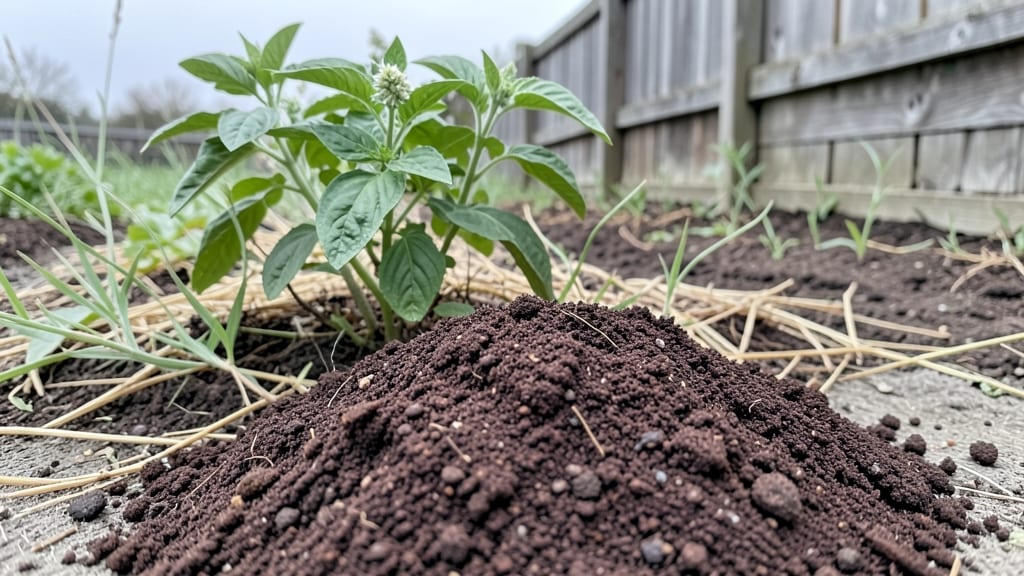
Using coffee grounds in the vegetable garden boosts soil fertility with natural nitrogen, deters pests like slugs and ants, and enriches compost—just use them sparingly to prevent over-acidifying the soil.
Coffee grounds are a powerhouse for gardeners because they’re packed with nitrogen, a key nutrient plants crave for leafy growth. 🌱 The grounds also act as a natural pest deterrent by disrupting slug trails and repelling ants, while their slow decomposition feeds soil microbes.
I’ve seen firsthand how a handful mixed into compost creates a rich, crumbly texture that retains moisture better than plain soil. Just remember: too much can make the soil too acidic, so balance is key—especially for veggies like tomatoes that prefer neutral pH.
For best results, sprinkle a thin layer around plants (about 1-2 cups per plant) or bury them in trenches to avoid surface mold. Acid-loving crops like blueberries thrive with coffee grounds, but sensitive plants like onions or beans might struggle.
Always let them dry out slightly before adding to your garden bed—fresh grounds can compact soil if used too soon.
💡 In This Article
- How Coffee Grounds Enhance Soil Health
- Best Practices for Applying Coffee Grounds to Vegetables
How coffee grounds enhance soil health
Coffee grounds are a nutrient goldmine for your garden, primarily because they contain 2% nitrogen by weight—about 1.5 times more than fresh manure. This nitrogen comes from proteins and amino acids in the coffee beans, which break down into ammonia (NH₃) during decomposition.
The process releases nitrogen in a form plants can absorb, fueling leafy growth and vibrant foliage. What’s fascinating is how this nitrogen release happens gradually, unlike synthetic fertilizers that can burn plants with rapid nutrient spikes.
The chemical composition doesn’t stop at nitrogen—coffee grounds also contain phosphorus (0.3%) and potassium (0.5%), the trio known as NPK that plants crave. These minerals support root development and overall plant vigor.
Microbial activity skyrockets when grounds are added, as the coarse texture provides habitat for beneficial fungi like mycorrhizae and earthworms. These creatures aerate the soil while breaking down the grounds into humus, creating a sponge-like structure that holds 20-30% more moisture than regular soil. 🌱
Here’s where it gets interesting: coffee grounds are slightly acidic (pH 6.2-6.8 when fresh), but their impact on soil pH depends on your existing conditions. In neutral or alkaline soils, they help lower pH slightly, benefiting acid-loving plants like blueberries or hydrangeas.
However, in already acidic soils (pH <6.0), they can push the pH too low, harming sensitive crops. The key is balance—think of them as a 10-20% acidity boost, not a full pH overhaul.
What most gardeners overlook is how coffee grounds support soil microbes. The grounds contain melanoidins, complex organic compounds that act as a food source for bacteria and fungi. These microbes then produce enzymes that break down organic matter faster, accelerating nutrient cycling.
For example, adding 1 cup of grounds per square yard can increase microbial biomass by 30-40% within weeks. The result? Healthier soil that retains nutrients longer and resists compaction better than untreated soil.
The physical texture of coffee grounds matters too. Their coarse, granular structure improves soil aeration by creating tiny air pockets, while their ability to retain moisture reduces watering needs by 15-25%. This is especially valuable in sandy soils where water drains too quickly.
The grounds also act as a natural mulch, suppressing weeds by blocking sunlight while slowly releasing nutrients. For compost piles, they add carbon (a crucial component alongside nitrogen) and help create a perfect 30:1 carbon-to-nitrogen ratio when mixed with greens like grass clippings.
One often-missed benefit is how coffee grounds repel pests through their caffeine content. While not harmful to humans, caffeine acts as a natural insecticide, disrupting the nervous systems of slugs and ants.
Studies show that slugs avoid areas treated with coffee grounds by 80%, making it a chemical-free way to protect your veggies. The grounds also deter fungal diseases by creating an environment where beneficial microbes outcompete harmful pathogens. 💫