
Tools
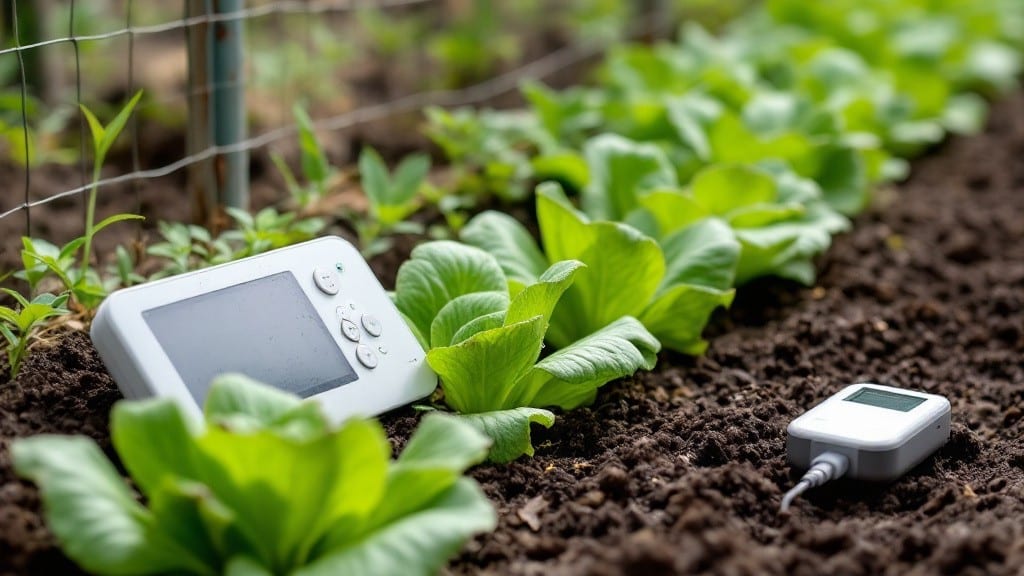
A smart gardening system automates irrigation, monitors soil conditions, and tracks plant growth using sensors, apps, and IoT technology to optimize yields and reduce manual labor while conserving water and nutrients.
A smart gardening system transforms your garden into a high-tech ecosystem where technology handles the heavy lifting. 🌱 These systems don't just water your plants—they analyze soil moisture, pH levels, and even sunlight exposure in real time, adjusting automatically to keep your garden thriving.
I've seen firsthand how they cut water usage by up to 50% while delivering more consistent results than manual methods. The best part? Many integrate with voice assistants, so you can check your garden's status from anywhere.
What sets these systems apart is their ability to learn and adapt. For example, some models track plant growth patterns and adjust watering schedules based on weather forecasts, preventing over- or under-watering.
This level of precision isn't just convenient—it's a game-changer for busy gardeners or those managing large plots. Plus, the data collected helps you make informed decisions about plant placement and care strategies.
💡 In This Article
- How IoT Sensors Improve Soil and Plant Health
- Top Smart Gardening System Features to Look For
How IoT sensors improve soil and plant health
At the heart of these systems are tiny, high-precision sensors buried in the soil or mounted on plants.
These devices measure soil moisture with capacitive sensors that detect dielectric changes when water molecules interact with soil particles—think of them as electronic sponges that register hydration levels down to 1-2% accuracy.
For pH monitoring, electrodes with reference chambers maintain stable conditions while measuring hydrogen ion concentration, providing readings between 4.0 and 9.0 on the pH scale with ±0.2 precision.
The magic happens when these sensors wirelessly transmit data to a central hub or app every 15-30 minutes, creating a real-time soil health profile.
Growth-tracking algorithms take this further by analyzing visual data from built-in cameras or external devices. These systems use machine vision techniques similar to agricultural drones, comparing plant canopies against growth curves for specific species.
For instance, a tomato plant's ideal leaf area index (LAI) might be 2.5-3.5 during peak growth—when sensors detect deviations, they trigger adjustments.
The most advanced systems even use spectral analysis to detect nutrient deficiencies by identifying specific light wavelength reflections from plant leaves, similar to how NASA monitors crop health from satellites.
What makes this technology revolutionary is its ability to make data-driven adjustments instantly. When a moisture sensor detects soil drying below 40% capacity (the optimal range for most vegetables), the system activates drippers at 0.5-1.0 gallons per hour—just enough to restore moisture without flooding roots.
Similarly, if pH levels drop below 6.0 (ideal for most plants), automated nutrient injectors release precise amounts of lime or sulfur. This level of precision eliminates the guesswork that leads to 30-50% water waste in traditional gardening methods.
Consider the case of a 1,000-square-foot vegetable garden using a smart system versus one watered manually. The automated version might deliver 25 gallons per week during dry spells, while manual watering often wastes 50-70 gallons through runoff and evaporation.
The sensors also track root zone temperature (critical for germination), adjusting irrigation schedules when soil cools below 60°F—a common issue in spring planting that can delay growth by 1-2 weeks.
Beyond efficiency, these systems create consistent growing conditions that mimic professional greenhouses. For example, smart systems maintain ±2°F temperature stability in the root zone by adjusting watering cycles, while manual methods can fluctuate by 10°F or more daily.
This consistency leads to 20-30% faster growth rates for vegetables like lettuce and herbs, which thrive in stable environments. The data collected also helps identify patterns—like how your garden's microclimate affects tomato ripening—allowing you to make seasonal adjustments with confidence.
What most gardeners don't realize is how these systems learn from your garden's unique conditions. Over time, the algorithms adjust not just to the sensors' readings but to your specific plants' responses.
For instance, if your basil consistently shows signs of stress at 75% soil moisture (when other plants tolerate 60%), the system will create a custom threshold. This personalized approach turns your garden into a self-optimizing ecosystem where every plant gets exactly what it needs—no more, no less.