
Pests
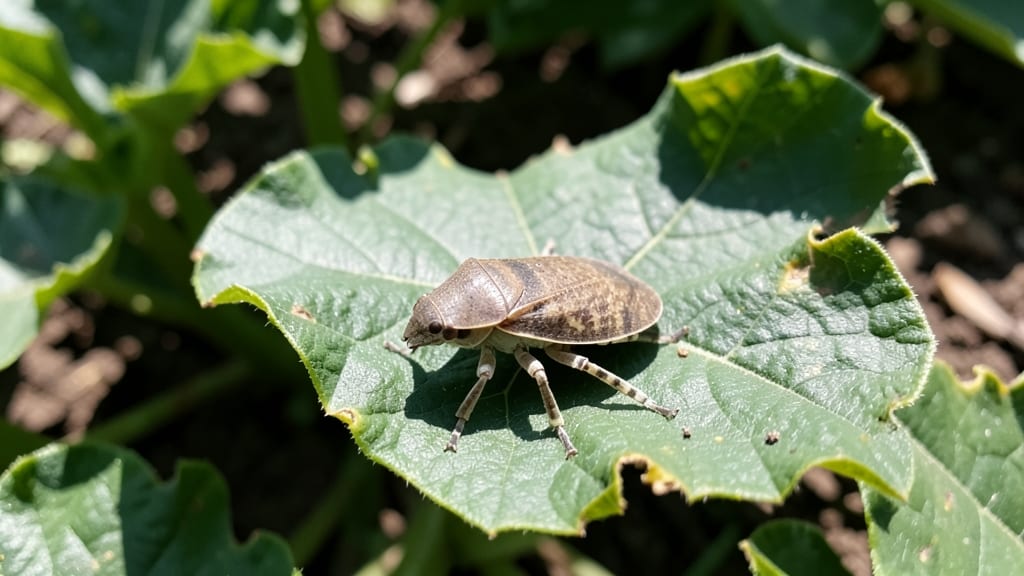
Learn how to get rid of squash bugs in the garden before they turn your zucchini patch into a battle zone faster than you can say "harvest fail." 🌱 I've waged war against these shield-backed pests for years, and I finally cracked the code with a neem oil spray that... stops new hatchlings in their tracks within 48 hours.
The secret isn't just the spray—it's timing and technique. Most gardeners miss the eggs hidden under leaves, so I'll show you how to check for those tiny clusters of orange specks first.
Then we'll tackle the adults with a spray that's tough on bugs but safe for your plants and pollinators. No more losing your entire crop to these sneaky invaders.
By the end of this, you'll have a garden where squash bugs meet their match. Your vines will stay vibrant green, your yields will rebound quickly, and you'll know exactly what to do the second those first ugly little eggs appear.
The best part? This method works whether you're growing in raised beds or straight in the ground.
We'll cover everything from early prevention to late-season cleanup, so you're ready for squash bugs no matter when they show up. Let's get those pests under control for good—your zucchini is waiting.
Root Causes of Squash Bugs
Squash bugs—those shield-shaped, menacing pests—don’t just appear in your garden out of nowhere. Understanding why they invade is the first step to stopping them before they wreak havoc on your cucurbits (squash, pumpkins, melons, and cucumbers).
Below, we break down the real reasons these bugs target your plants, backed by science and actionable insights.
Squash bugs are drawn to weakened hosts, and overcrowded gardens create the perfect breeding ground. Here’s why:
- Poor Air Circulation: Dense plantings trap moisture, creating a humid microclimate that squash bugs love.
Their eggs thrive in damp, shaded conditions, and adult bugs seek shelter in thick foliage. - Nutrient Competition: When plants are overcrowded, they compete for water, sunlight, and nutrients. Stressed plants produce less sap—a key food source for squash bugs—and their weakened state makes them easier targets. - Mulch Overuse: While mulch helps retain moisture, too much organic mulch (like straw or leaves) can smother soil, reducing beneficial microbial activity.
This weakens plant roots, making them more susceptible to pest attacks.
💡 Pro Tip: Space squash plants 3–4 feet apart and avoid heavy mulching around stems. If you’re growing in containers, ensure they’re large enough (minimum 5-gallon pots) to prevent root stress.
Squash bugs aren’t picky—they’ll feast on any cucurbit, but they prefer specific conditions that mimic their natural habitat:
- Warm, Humid Climates: These bugs thrive in temperatures between 75–85°F (24–29°C).
If your garden stays consistently warm and damp (think: late summer or regions with high humidity), you’re rolling out the welcome mat. - Weedy or Unkempt Gardens: Squash bugs often hibernate in garden debris (like old vines, leaf litter, or compost piles) before emerging in spring.
A messy garden gives them a head start. - Monoculture Plantings: Growing only squash or pumpkins in a large patch? You’ve created a buffet. Squash bugs reproduce rapidly when their favorite food source is abundant and unchecked.
✨ Actionable Fix: Rotate crops yearly and remove all garden debris in fall. If you live in a humid climate, opt for drought-tolerant varieties like ‘Early Prolific Straightneck’ squash, which handle heat better.
Squash bugs have predators, but if their ecosystem is disrupted, they’ll take over. Common disruptors include:
- Pesticide Overuse: Broad-spectrum insecticides (like neonicotinoids) kill beneficial insects first—think ladybugs, lacewings, and parasitic wasps that prey on squash bug eggs. This leaves squash bugs unchecked. - Lack of Diversity: Gardens with only a few plant species lack the biodiversity that supports natural pest control.
Predatory insects need a mix of pollen, nectar, and alternative prey to thrive. - Soil Depletion: Healthy soil fosters beneficial nematodes and fungi that can suppress squash bug populations. Poor soil health (low organic matter, high salinity) weakens plants and their natural defenses.
🔥 Solution: Introduce companion plants like nasturtiums (which attract predatory insects) or marigolds (which repel pests). Avoid synthetic pesticides—opt for neem oil or kaolin clay instead.
Squash bugs follow a predictable life cycle, and their timing often aligns with garden activities:
- Spring Emergence: Adult squash bugs overwinter in soil or debris and emerge in early spring (as early as March in warm climates) to lay eggs on new growth. - Post-Rain Surges: Heavy rainfall softens plant tissue, making it easier for squash bugs to feed and lay eggs.
They’re also more active after rain because the soil is moist. - Late Summer Peak: By July and August, squash bug populations explode as the second generation of adults matures. This is when damage is most severe.
📊 Data Point: Studies show squash bug populations can double every 2–3 weeks in ideal conditions. Early intervention (like neem oil sprays) is critical during these peak periods.
Sometimes, well-meaning gardeners accidentally create squash bug magnets:
- Transplanting Infested Plants: Buying or transplanting already-infected seedlings introduces squash bugs directly into your garden. Always inspect new plants for eggs (tiny, tan, football-shaped) or adults. - Ignoring Early Signs: Wilting vines or yellowing leaves are often dismissed as nutrient deficiencies—until it’s too late.
Squash bugs inject toxins into plants, causing rapid decline. - Late Planting: Starting squash too late in the season gives squash bugs a longer feeding window. Aim to plant 4–6 weeks before your last frost date for a head start.
🎯 Prevention Hack: Scout your garden weekly for eggs (use a magnifying glass—they’re tiny!). Remove them by hand (drop in soapy water) before they hatch.
Quick Fixes for Squash Bugs
Squash bugs are stubborn pests, but with the right approach, you can reclaim your garden in no time. Below are targeted solutions based on the most common causes—whether it’s overcrowded plants, poor soil health, or an existing infestation. Each fix is designed to be easy, effective, and garden-friendly.
If your squash, pumpkin, or cucumber plants are packed too closely, they’re more vulnerable to squash bugs. These pests thrive in dense foliage where they can hide and lay eggs undetected.
How to Fix It:
- 🔪 Prune & Space Out Plants – Thin out crowded vines so air circulates freely. Aim for 12–18 inches of space between plants.
- 🌿 Use Mulch – Apply 2–3 inches of straw or grass clippings around the base of plants. This disrupts squash bug egg-laying sites and retains moisture.
- 🌞 Boost Plant Health – Feed plants with compost or balanced fertilizer (10-10-10) to make them less appealing. Stronger plants recover faster from damage.
💡 Prevention Tip: Rotate crops yearly to avoid weakening soil and attracting pests.
If you’ve already spotted squash bugs (or their eggs), act fast. These pests multiply quickly, so early intervention is key.
How to Fix It:
- 🕵️♂️ Handpick Adults & Nymphs – Check under leaves and along stems for flat, brown adults or small, gray nymphs. Drop them into soapy water to kill them instantly.
- 🍳 DIY Beer Trap – Fill a shallow dish with beer and bury it near plants. The scent attracts squash bugs, which drown overnight. Refresh every 2–3 days.
- 🌿 Neem Oil Spray (Fast-Acting!) – Mix 1 tsp neem oil + 1 tsp dish soap + 1 quart water in a spray bottle. Apply early morning or evening (avoid direct sun) to smother eggs and repel adults. Reapply every 3–4 days for 2 weeks.
⏰ Timing Matters: Spray before dawn when bugs are least active for best results.
Squash bugs love dry, compacted soil where plants struggle. Improving soil health makes your garden less hospitable to them.
How to Fix It:
- 💧 Water Deeply & Consistently – Squash bugs avoid well-hydrated plants. Water at the base (not leaves) 1–2 inches deep, 2–3 times per week.
- 🔄 Aerate the Soil – Use a garden fork to loosen compacted soil around plants. Add compost or aged manure to improve drainage.
- 🌿 Plant Companion Crops – Interplant nasturtiums, radishes, or marigolds—their strong scents deter squash bugs naturally.
🎯 Pro Tip: Avoid over-fertilizing with nitrogen—it attracts pests. Stick to balanced or organic fertilizers.
For a preventative shield, combine physical barriers with traps to keep squash bugs out before they become a problem.
How to Fix It:
- 🧵 Row Covers (Early Season) – Use floating row covers over young plants to block adults from laying eggs. Remove when flowers appear for pollination.
- 🪲 Yellow Sticky Traps – Hang yellow cards coated in petroleum jelly near plants. Adult squash bugs are drawn to the color and get stuck.
- 🌿 Copper Tape (For Containers) – Wrap copper tape around pot edges—it emits a mild electric charge that repels crawling pests.
✨ Bonus Hack: Crushed garlic spray (blend garlic + water, strain, and spray) acts as a natural deterrent when applied weekly.
- ❌ Avoid broad-spectrum pesticides – They kill beneficial insects like ladybugs that eat squash bug eggs.
- ❌ Don’t ignore egg clusters – Scrape off flat, tan egg masses (found on leaf undersides) with a fingernail or brush.
- ❌ Skip regular checks – Inspect plants 2–3 times per week, especially after rain (when bugs are most active).
By tackling the root cause—whether it’s plant stress, poor soil, or an active infestation—you’ll outsmart squash bugs and protect your garden long-term. Neem oil, beer traps, and proper spacing are your best allies for a pest-free harvest! 🍉🚫🐞
Frequently asked questions
Why do squash bugs target my cucurbits specifically?
Squash bugs prefer cucurbits (squash, pumpkins, melons, cucumbers) because these plants produce high-sugar sap that fuels their growth. Their shield-like bodies also protect them while feeding on weakened vines, making your garden's most vulnerable plants their prime target.
How do I know if those tiny tan clusters are squash bug eggs?
Look for flat, football-shaped egg masses (about 1/8-inch long) on the undersides of leaves. They're tan or gray and laid in neat rows. Use a magnifying glass to spot them early—hand removal with a fingernail or brush prevents hatching.
Is neem oil safe for my plants when used against squash bugs?
Yes, when used correctly! Dilute 1 teaspoon neem oil + 1 teaspoon dish soap in 1 quart water and apply in the early morning or evening to avoid leaf burn. It's non-toxic to plants but disrupts squash bug life cycles by smothering eggs and repelling adults. Always test on a small leaf first.
What's the best time of day to check for squash bugs?
Inspect your plants early morning or late afternoon when temperatures are cooler. Squash bugs are least active during these times, making them easier to spot and remove. Afternoon checks also help you catch them before they retreat to shaded areas.
Can I still save my plants if squash bugs have already damaged the vines?
Yes! Prune away heavily damaged vines with sterilized shears and focus on keeping remaining healthy growth well-watered. Apply compost tea to help recovery, and use row covers to protect new growth. While damage can't be completely reversed, proper care often restores plants to productive health.