
Landscaping
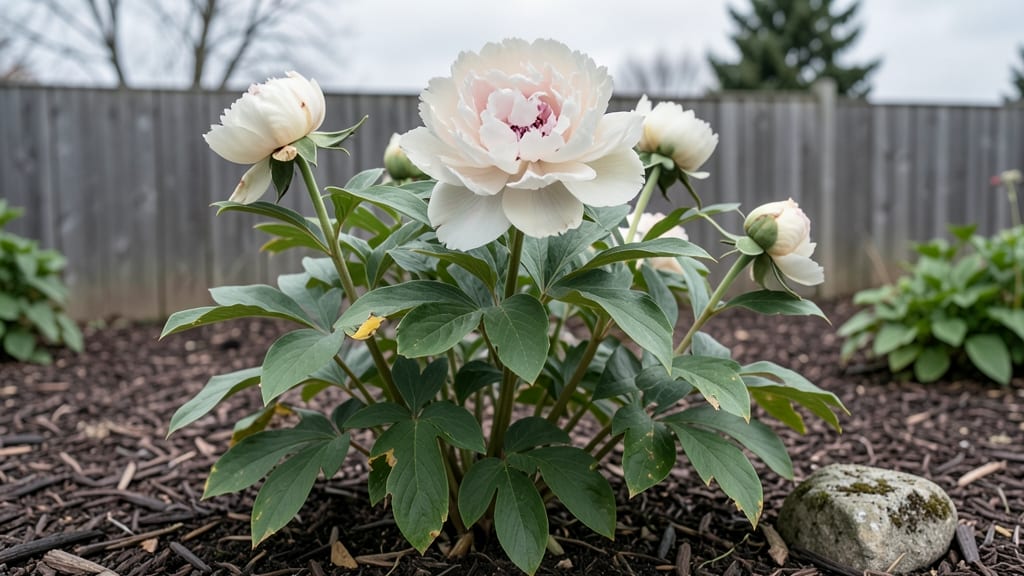
Creating a landscaping peony garden starts with the right spot—one with at least 6 hours of sunlight and well-draining soil where those iconic blooms can thrive for decades.
I remember the first time I saw a peony border in full bloom: the way the petals spill over like soft pink clouds, heavy with fragrance that lingers in the evening air.
The secret isn’t just the peonies—it’s how you layer them with companions that extend the season from early spring to late summer.
Begin with 3-5 peony varieties for continuous color—early bloomers like 'Sarah Bernhardt' (pink) paired with midseason 'Bowl of Beauty' (salmon) and late-season 'Kodak Pink' (deep magenta). Add height variation with ornamental grasses like 'Karl Foerster' feathertop or the delicate foliage of hostas beneath.
The fragrance integration is key: plant lavender nearby for its calming scent, or catmint to attract pollinators while keeping pests at bay. Maintenance is minimal once established—just deadheading spent blooms and dividing clumps every 5-7 years to keep them vigorous.
Your garden will transform from a patch of soil to a fragrant, living tapestry by spring’s end. Imagine stepping into a border where the air smells like a grandma’s perfume bottle, and every stem holds 3-5 blooms that last for weeks.
The peonies will return year after year, their roots growing deeper with each season, while the companion plants fill in the gaps with texture and movement. This isn’t just a garden—it’s a legacy that keeps giving back.
Works for small urban courtyards or sprawling backyard borders, and adapts to both formal knot gardens or wild, cottage-style plantings.
The layout tips in the next section will help you design a space that’s as functional as it is breathtaking—where every bloom feels intentional and every visit feels like a reward.
📚 In This Guide
- What you need
- Instructions
- Tips and common mistakes
- Wrapping up and next steps
What you need
- ● Peony plants – Choose Paeonia lactiflora (herbaceous) or Paeonia suffruticosa (tree) varieties. Buy 3-5 plants per square foot for a lush look.
- ● High-quality garden soil – Aim for 60% topsoil, 30% compost, and 10% sand for drainage.
- ● Organic mulch – 2-3 inches of shredded bark or wood chips to retain moisture and suppress weeds.
- ● Slow-release fertilizer – 10-10-10 NPK ratio (apply in early spring).
- ● Drip irrigation or soaker hoses – Peonies need 1-2 inches of water per week.
- ● Garden trowel – For planting and soil prep.
- ● Garden fork – Loosens soil to 12-18 inches deep.
- ● Pruning shears – For deadheading spent blooms (avoid cutting into woody stems).
- ● Wheelbarrow – For moving soil and mulch.
- ● Garden gloves – Protect your hands from thorns!
- ● Edging tools – For clean garden borders.
- ● Garden stakes or trellises – Supports tall varieties like Paeonia 'Sarah Bernhardt'.
- ● Companion plants – Pair with lavender, catmint, or daylilies for color and pest control.
- ● Peony-specific food – Like Espoma Peony-Tone for extra blooms.
Step-by-Step instructions for designing a stunning peony garden
Peonies thrive when given space, sunlight, and proper soil—here’s how to create a fragrant, long-lasting display.
Choose the Perfect Planting Location
Peonies demand full sun—at least 6 hours of direct light daily—to produce their lush, abundant blooms. I always scout locations where morning sun warms the soil gradually, as peonies dislike sudden temperature shifts. Avoid spots where afternoon shade lingers for more than 2 hours, or you’ll end up with leggy stems and fewer flowers.
Test your site by marking potential areas with stakes in late winter. Observe how sunlight moves across the space throughout the day. The ideal spot will have well-draining soil—peaty or clay-heavy ground will cause root rot, while sandy soil may dry out too quickly. If your soil is heavy, amend it with 2-3 inches of compost mixed into the top 12 inches of soil before planting.
Plant Peony Crowns at the Right Depth and Spacing
Peony crowns (the knobby base where roots meet stems) must be planted no deeper than 2 inches below soil level—any deeper, and they’ll struggle to bloom. Dig holes 18-24 inches apart (closer spacing leads to overcrowding and fewer flowers). I use a trowel to loosen the soil around the planting hole, creating a 12-inch-wide by 12-inch-deep space for each plant.
Place the crown slightly off-center in the hole, with the eyes (buds) facing upward and outward—this ensures strong, upward growth. Backfill with native soil mixed with a handful of bone meal (for phosphorus, which encourages root and bloom development). Water deeply until the soil settles, then add a 1-inch layer of mulch to retain moisture and suppress weeds.
Establish a Support System for Tall Varieties
Herbaceous peonies (the most common type) can grow 3-5 feet tall, and their heavy blooms need support to prevent flopping. I install 3-foot bamboo stakes or metal peony rings at planting time, driving them 6 inches into the ground beside each plant. For varieties like ‘Sarah Bernhardt’ or ‘Duchesse de Nemours,’ which top 4 feet, use two stakes per plant, positioning them 12 inches apart on opposite sides.
Secure stems with soft garden twine or fabric strips as they grow, tying them loosely to avoid damaging the stems. Avoid metal rings that can cut into bark as plants thicken. If you’re planting a cluster of peonies, arrange stakes in a grid pattern for a clean, structured look. This early support pays off when blooms arrive—no more drooping, bedraggled flowers.
Water and Fertilize for Long-Term Health
Peonies need deep, infrequent watering—1 inch of water per week during their first growing season, more in extreme heat. I water at the base of the plant, avoiding leaves to prevent fungal diseases. After the first year, established peonies are drought-tolerant but will reward extra blooms if given 2 inches of water weekly during May and June, when buds form.
Fertilize in early spring (as shoots emerge) and after flowering with a balanced, low-nitrogen fertilizer (like 10-10-10). I avoid high-nitrogen feeds—too much promotes leafy growth at the expense of blooms. A handful of compost worked into the soil annually keeps roots fed without risk of over-fertilization.
Prune and Maintain for Next Year’s Blooms
Wait until late spring or early summer (after foliage yellows) to cut back dead stems. Never prune until after the first frost—peony buds form on the current year’s growth, and early pruning removes next year’s flowers. Use clean, sharp shears to cut stems 1 inch above the soil line, leaving no stubs. This prevents disease and keeps the garden tidy.
Divide mature peony clumps every 4-5 years if they stop blooming well. Dig up the crown in early fall or spring, separate the eyes, and replant immediately. Mulch heavily after dividing to protect roots. With proper care, your peony garden will reward you with decades of fragrant, show-stopping blooms—year after year.
Tips & tricks for perfect peony garden landscaping
A few strategic moves can transform your peony garden from good to spectacular. These insights will help you avoid common pitfalls and create a display that thrives for decades.
Sunlight Strategy: The 6 hours of direct sunlight requirement in Step 1 is non-negotiable for abundant blooms, but here's what I've learned: Morning sun is your best friend because it warms the soil gradually, which peonies prefer over sudden afternoon heat spikes. If your location has afternoon shade, consider planting sun-loving companions like lavender or catmint nearby to create a cohesive border that won't compete for light.
Planting Depth Precision: That 2-inch maximum depth for crowns in Step 2 is critical - any deeper and your peonies will struggle to bloom. I've seen gardeners accidentally bury crowns 3-4 inches deep, thinking "more soil equals better," only to get disappointingly sparse flowers. Use a level or measuring tape to verify depth after backfilling. For visual confirmation, the top of the crown should be just below soil level when pressed lightly.
Support System Pro Tip: When installing those 3-foot bamboo stakes in Step 3, I recommend positioning them slightly to the side of the plant rather than directly behind. This creates a more natural look and prevents the stake from interfering with the plant's growth pattern. For varieties over 4 feet, use two stakes positioned at a 45-degree angle rather than straight up - this provides better wind resistance and support for the heavy blooms.
Watering Wisdom: The 1 inch per week guideline in Step 4 is perfect for average conditions, but here's what nobody tells you: Peonies actually prefer dry feet after their first year. The 2 inches of water during May and June is ideal for bud formation, but once established, they can thrive with just 1 inch every 10 days. Overwatering is the #1 reason for poor blooming - the roots need time to breathe and establish properly.
Pro Tips for Landscaping Peony Garden
- A few strategic moves can transform your peony garden from good to spectacular.
- If your location has afternoon shade, consider planting sun-loving companions like lavender or catmint nearby to create a cohesive border that won't compete for light.
- Planting Depth Precision: That 2-inch maximum depth for crowns in Step 2 is critical - any deeper and your peonies will struggle to bloom.
Frequently asked questions
Got questions about creating your dream landscaping peony garden? You’re not alone! Here are some of the most common queries—and their answers—to help you bloom with confidence.
When is the best time to plant peonies for a thriving garden?
The ideal time to plant peonies is in early fall (September–November) or early spring (March–April). This gives roots time to establish before extreme weather. Avoid planting in summer heat or winter frost—peony roots need a chance to settle! Pro tip: If planting in spring, water deeply to help roots adjust.
How long does it take for peonies to bloom after planting?
Peonies are patient beauties! Most varieties take 2–3 years to establish and bloom, though some may surprise you with flowers in the first year if planted in fall. Herbaceous peonies (the most common type) typically bloom in late spring to early summer. Patience pays off—once established, they’ll reward you for decades!
What pests or diseases should I watch for in a peony garden?
Peonies are generally low-maintenance, but keep an eye out for:
- Peony wilt (a fungal disease causing brown stems)—remove infected plants immediately.
- Japanese beetles (they love peony petals)—handpick or use neem oil.
- Botrytis blight (gray mold)—improve airflow and avoid overhead watering.
Good air circulation and well-draining soil are your best defenses! Pro tip: Space plants 3–4 feet apart to minimize issues.
Can I grow peonies in containers, or do they need ground planting?
Peonies can thrive in containers, but they need large pots (at least 12–18 inches deep) with drainage holes. Use a well-draining potting mix and replant them every 3–4 years to refresh the soil. Tree peonies (woody types) adapt better to containers than herbaceous varieties. Just remember: Containers dry out faster, so water consistently!
How can I extend my peonies’ blooming season?
Most peonies bloom for 7–10 days, but you can trick them into reblooming! Choose reblooming varieties like ‘Sarah Bernhardt’ or ‘Bowl of Beauty.’ To encourage a second flush:
- Deadhead only after the first bloom cycle (never cut stems with green leaves).
- Fertilize lightly in early spring with a balanced, low-nitrogen feed.
- Avoid heavy pruning—peonies store energy in their roots.
Bonus: Planting near companion flowers (like lavender or catmint) can create a longer visual display!
Do peonies survive winter, and how should I protect them?
Peonies are hardy perennials (zones 3–8) and handle winter well, but young plants or harsh climates may need help. In extreme cold (below 0°F), mulch the base with 3–4 inches of straw or shredded leaves after the ground freezes. Remove mulch in early spring to prevent rot. Pro tip: Avoid heavy mulch piles—peonies hate soggy roots!
Wrapping up and next steps
A peony garden isn’t just a dream—it’s a fragrant, long-lasting masterpiece waiting to bloom in your backyard! 🌸 With the right location, soil prep, and planting strategy, you’ll enjoy year after year of lush, vibrant blooms that turn heads and fill the air with sweet perfume.
The key? Patience and care—peonies thrive when given time to establish roots and a little extra love.
Ready to dive in? Start small—pick a sunny spot, gather your supplies, and plant your first peony this season. Whether you’re a beginner or a seasoned gardener, every blossom you nurture will remind you why gardening is pure joy. Happy planting! 🌱