
Blooming
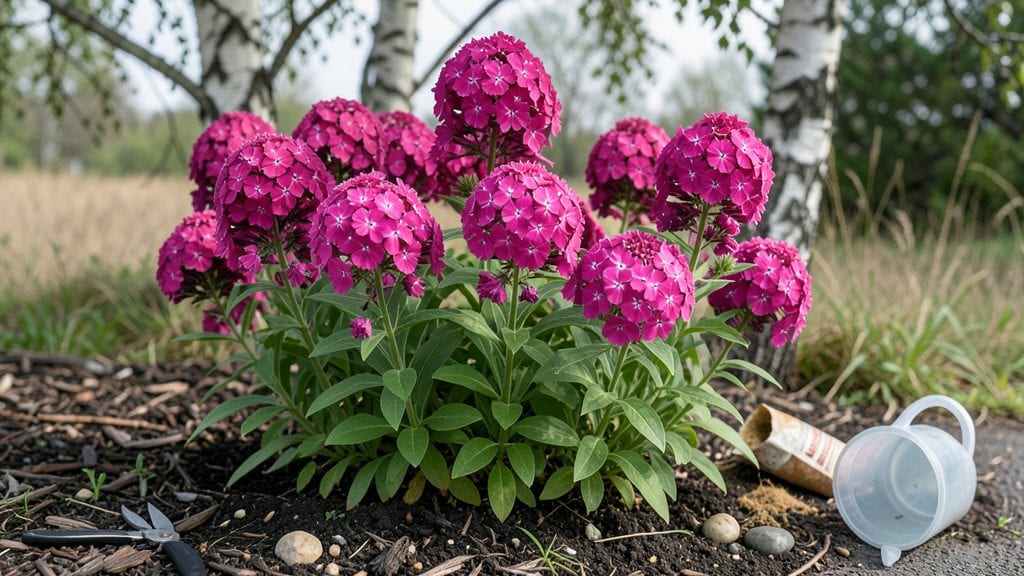
Garden phlox blooms in mid to late summer, transforming your yard into a riot of color—but getting those 🌸 clusters to last requires the right timing and care.
Picture this: June rolls around, and your neighbors’ gardens are still sparse, while yours bursts with fragrant purple, pink, or white blooms that keep coming back for weeks. That’s the magic of phlox—but only if you know when to expect them and how to coax extra blooms from your plants.
From USDA Zone 6a to warmer climates, bloom time varies, but most varieties peak in July and August. The secret to extending that show? Deadheading spent blooms, feeding at the right time, and giving them the perfect balance of sun and shade.
In this guide, I’ll break down the exact months to watch for blooms, how to adjust care for your region, and the simple tricks that keep your phlox looking fresh until fall—so you can enjoy that season-long color without the guesswork.
Phlox bloom time by month: when to expect peak flowers
Garden phlox (Phlox paniculata) is a summer garden superstar, but knowing its bloom timeline helps you plan for maximum impact. Most varieties burst into color from mid-June to early September, though timing shifts based on your USDA hardiness zone and local climate.
Understanding these patterns lets you choose the right varieties and care for them to ensure a long-lasting floral display.
In cooler northern regions (Zones 3-5), phlox often starts blooming 2-3 weeks later than in warmer southern zones (Zones 6-9).
Coastal areas may see earlier blooms due to milder temperatures, while inland gardens might experience delayed flowering. Early-season phlox like 'Jeanne d'Arc' can begin as early as late May, while late varieties like 'David' may linger until mid-October in favorable climates.
🚨 summary table 🚨
| Month | Early Phlox | Mid-Season Phlox | Late Phlox | Climate Notes |
|---|---|---|---|---|
| May | Bud formation | — | — | Southern zones only |
| June | Peak blooms | Early buds | — | Cooler zones delayed |
| July | Secondary blooms | Peak blooms | Early buds | Full sun needed |
| August | Fading | Secondary blooms | Peak blooms | Deadhead for extension |
| September | Done | Late blooms | Secondary blooms | Frost risk |
| October | — | — | Possible late blooms | Southern zones only |
June is when most gardeners see their first phlox blooms, especially with early varieties like 'Early Call' or 'Jeanne d'Arc'. These early bloomers thrive in full sun and well-draining soil, often producing pink, white, or lavender clusters.
If your phlox skips blooming in June, check for overcrowding or poor soil nutrition, as these are common culprits for delayed flowering.
July marks the peak bloom period for mid-season phlox varieties like 'David' and 'Lipstick'. These cultivars typically reach their fullest color intensity in hotter summer months, provided they receive consistent moisture.
In drought-prone areas, supplement with deep watering 2-3 times per week to maintain vibrant blooms. Mulching around the base helps retain soil moisture and keeps roots cool.
August is your last chance to enjoy late-season phlox like 'Blue Moon' or 'Mars Midget'. These varieties often bloom 2-3 weeks later than early types, extending your garden's seasonal interest.
To prolong August blooms, deadhead spent flowers regularly and fertilize lightly with a balanced 10-10-10 formula. Avoid heavy feeding, which can encourage leafy growth over blooms.
In USDA Zones 6-9, some late phlox varieties may even produce secondary blooms in September, especially if protected from early frost. Watch for bud formation in late summer, as this signals potential fall blooms.
If frost threatens, consider lightly covering tender varieties with frost cloth to buy a few extra days of color. In colder zones, phlox typically finishes blooming by <
How to extend phlox bloom time with proper care
Garden phlox thrives when given the right care, and with a few simple strategies, you can turn its 4-6 week bloom period into a stunning 8-10 week display. The key lies in understanding its needs—from deadheading to soil nutrition—and avoiding common pitfalls that cut blooms short.
Let’s dive into the proven techniques that keep your phlox looking fresh and vibrant all season long.
Many gardeners unknowingly shorten their phlox’s bloom time by skipping regular deadheading or overwatering. Others struggle with poor soil drainage or inconsistent sunlight, both of which stress the plant and reduce flowering.
The good news? These issues are easy to fix with the right approach. Start by mastering the basics—like watering schedules and sunlight management—and watch your phlox reward you with extended color.
- Deadhead daily during peak bloom to encourage continuous new buds. Use clean pruners to snip spent blooms just above the next set of leaves.
- Apply balanced fertilizer (10-10-10) every 4-6 weeks starting in early spring. Focus on phosphorus for robust blooms.
- Water deeply once a week at the base, avoiding leaf wetting to prevent fungal diseases like powdery mildew.
- Ensure 6+ hours of sunlight daily. Phlox in partial shade may bloom less vigorously but lasts longer in hot climates.
- Mulch with 2-3 inches of organic matter (like compost) to retain moisture and regulate soil temperature, which supports steady growth.
- Avoid pruning after mid-summer as it removes next year’s flower buds. Let foliage die back naturally in fall.
One of the biggest mistakes I see is over-pruning phlox too late in the season. If you cut back stems after July 15th, you risk removing the flower buds for next year.
Instead, wait until late fall or early spring to trim back 1/3 of the plant’s height to promote fresh growth. This simple adjustment can add 2-3 extra weeks to your phlox’s bloom time.
Soil nutrition plays a critical role in extending bloom duration. Phlox prefers well-draining, slightly acidic soil (pH 6.0-7.0). If your soil is heavy clay or alkaline, amend it with compost or peat moss before planting.
A slow-release fertilizer in early spring provides steady nutrients without the risk of overfeeding, which can lead to leafy growth over blooms. Think of it as giving your phlox a long-term energy boost instead of a quick sugar rush.
Watering is another area where gardeners often go wrong. While phlox needs consistent moisture, overwatering leads to root rot and stunted blooms. Aim for 1 inch of water per week, delivered in the morning to allow foliage to dry quickly.
In hot climates, increase frequency to every 5-7 days, but always check soil moisture before watering. A simple finger test—insert your finger 1 inch into the soil—tells you if it’s time to water or hold off.
Finally, don’t overlook the power of light management. While phlox loves sun, afternoon shade in hot climates can prevent wilting and prolong blooms. If your garden gets intense afternoon sun, consider planting phlox near a tree or structure that provides light shade.
This small tweak can make your phlox bloom 1-2 weeks longer in regions with 90°F+ temperatures. It’s all about working with your climate, not against it!