Pruning
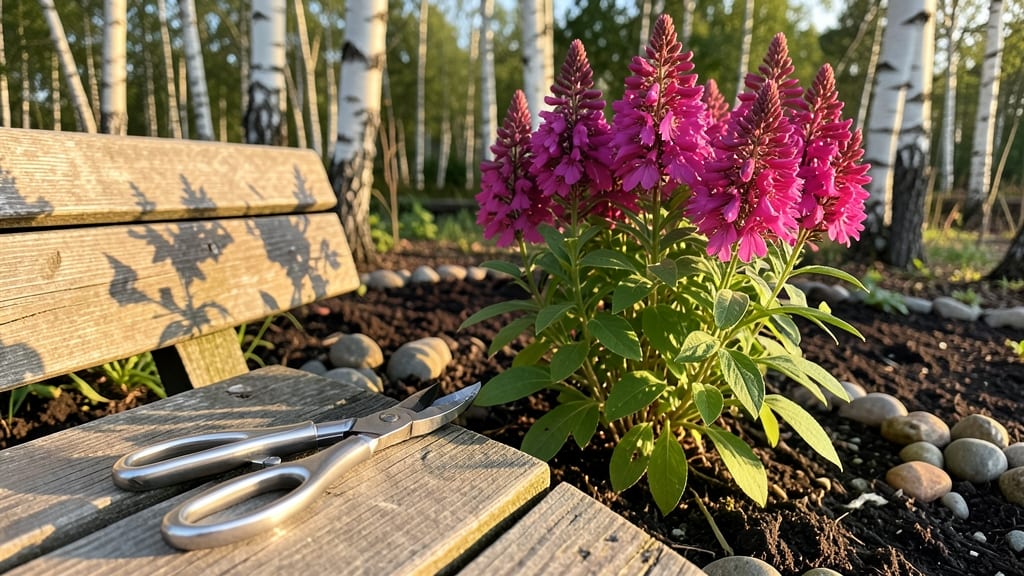
Deadheading garden phlox isn't just gardening—it's the secret to turning one summer burst of color into a nonstop parade of blooms until frost.
I learned this the hard way after my first phlox plants put on a showy display and then fizzled out by July, leaving me staring at brown stems where vibrant flowers should’ve been. The fix? A few minutes of strategic cutting that tricks the plant into thinking it’s summer forever.
You only need two things: a sharp pair of pruners (or clean scissors) and about 10 minutes every week or two. The key is cutting just above a leaf node or side bud—never too close to the main stem—so the plant has energy to send out new growth.
Wearing gloves helps if your phlox has thorny stems, and always work on a dry day to prevent disease. This simple habit keeps your phlox looking fresh and prevents those pesky seed pods that spread unwanted seedlings everywhere.
What you’ll end up with is a phlox bush that stays lush and productive for 6-8 weeks longer than neglected plants. The flowers stay vibrant, the foliage stays dense, and you’ll have fewer gaps where weeds can sneak in.
Plus, your neighbors will ask how you keep your phlox looking so good—and you can just smile while you show them the magic of deadheading.
Timing matters: aim to deadhead right after the petals start to drop but before the seed heads form. For late-summer bloomers, this might mean a second round of cuts in August.
The more you do it, the more your phlox will reward you with bold, continuous blooms that turn heads all season long.
📚 In This Guide
- What you need
- Instructions
- Tips and common mistakes
- Wrapping up and next steps
What you need
- ● Pruning shears or sharp bypass pruners: Choose bypass pruners (not anvil-type) for clean cuts.
- ● Size: 5–7 inches (ideal for precision).
- ● Gloves: Garden gloves (nitrile-coated for grip and protection).
- ○ Optional: Thick leather gloves if your phlox has thorns.
- ● Garden bucket or trash bag: Size: 1–2 gallons (for spent blooms).
- ○ Optional: Compost bin if you’re composting.
- ○ Water spray bottle (optional): Useful for dusty or sticky stems before cutting.
- ● Best time to deadhead: Early morning (stems are stiff and hydrated).
- ● Avoid midday heat (can stress the plant).
- ● Weather conditions: Choose a dry, overcast day to prevent fungal risks.
- ● Know your phlox: Identify spent blooms (wilting petals, brown centers).
- ● Avoid cutting into woody stems—stop at the first leaf node.
Instructions for deadheading garden phlox
Keep your phlox blooming longer with this simple, effective method.
Identify the Right Blooms to Remove
Start by focusing on spent flowers—those that have lost their vibrant color and look wilted or drooping. You'll know it's time when the petals fall away easily or the center turns brown. Avoid cutting healthy blooms; only remove flowers that have completely faded. This encourages the plant to redirect its energy into producing new buds rather than seed development.
Use your fingers or small pruning shears to gently pinch off the faded blooms at the base of the flower stem. Be careful not to damage the surrounding buds or leaves. I like to do this in the morning when the flowers are still fresh, making it easier to spot which ones need attention.
Cut Back to a Healthy Leaf or Bud
After removing the faded bloom, look for the first set of healthy leaves or a new bud just below the spent flower. Use clean pruning shears to make a diagonal cut about ¼ inch above this leaf or bud. Cutting at an angle helps water run off the stem, reducing the risk of disease.
If you don’t see any new growth, don’t panic—just cut back to the nearest leaf or side shoot. This ensures the plant has a clean point to regenerate from. Avoid cutting into old, woody stems, as this can harm the plant and reduce future blooms.
Maintain Regular Deadheading for Continuous Blooms
Deadhead your phlox every 2-3 days during peak bloom season to keep the plant producing fresh flowers. Consistency is key—skipping even a few days can lead to a sudden surge of spent blooms that overwhelm the plant. I set a reminder on my phone to check my phlox every few days, especially on warm, sunny mornings when blooms fade fastest.
Pay attention to the overall shape of your phlox. If it starts to look leggy or sparse, it might need a light pruning to encourage bushier growth. Trim back any overly long or bare stems to about 6 inches from the ground, but avoid cutting into old wood—this can stunt new growth.
Clean Up and Prevent Disease
After deadheading, collect all the spent blooms and dispose of them in the trash or compost bin—not in your garden beds. This prevents the plant from wasting energy on seed production and reduces the risk of fungal diseases spreading. I keep a small bucket nearby while working to toss the cuttings as I go.
Wipe down your pruning shears with rubbing alcohol or soapy water after each use to keep them sterile. Clean tools prevent the spread of bacteria or fungi that can infect your phlox. If you notice any yellowing leaves or black spots on the stems, stop deadheading and treat the plant with a fungicide to protect its health.
Encourage Stronger Blooms for Next Season
As the growing season winds down, reduce your deadheading efforts. Focus on removing only the most obvious spent blooms rather than every single one. This allows the plant to redirect energy into strengthening its roots for next year. By late summer, you can stop deadheading altogether and let the phlox prepare for dormancy.
After the first frost, cut back the entire plant to about 4-6 inches from the ground. This helps remove any potential disease overwintering in the foliage and promotes fresh, vigorous growth in the spring. Mulch the base of the plant with 2-3 inches of organic mulch to protect the roots from freezing temperatures.
Tips & tricks for perfect garden phlox blooms
These simple strategies will help you keep your phlox looking vibrant and blooming beautifully all season long.
Timing is Everything: I've found that morning is the best time to deadhead your phlox. The flowers are still fresh and fully open, making it much easier to identify which blooms have completely faded. Plus, working in the morning means you're not battling wilting flowers that can make identification more difficult later in the day.
Tool Selection Matters: While you can certainly use your fingers to pinch off spent blooms, investing in a good pair of small pruning shears makes the job much easier—especially for larger phlox plants. Look for bypass pruners with sharp blades that can make clean cuts without crushing the stems. I keep a pair dedicated just to my phlox to prevent cross-contamination with other plants.
Shape Maintenance Tip: Pay attention to the overall shape of your phlox plant as you deadhead. If you notice it starting to look leggy or sparse, it's time for a light pruning. Trim back any overly long stems to about 6 inches from the ground, but be careful not to cut into old, woody stems. This encourages bushier growth and helps maintain that full, lush appearance we all love.
Disease Prevention Strategy: After each deadheading session, it's crucial to clean your tools thoroughly. I keep a small bottle of rubbing alcohol handy to wipe down my pruning shears between cuts. This simple step prevents the spread of bacteria and fungi that can infect your phlox. Also, remember to dispose of spent blooms in the trash or compost—not in your garden beds—to prevent disease spread and seed production.
Pro Tips for Deadheading Garden Phlox
- These simple strategies will help you keep your phlox looking vibrant and blooming beautifully all season long.
- Timing is Everything: I've found that morning is the best time to deadhead your phlox. The flowers are still fresh an...
- Tool Selection Matters: While you can certainly use your fingers to pinch off spent blooms, investing in a good pair ...
Frequently asked questions
Got questions about keeping your garden phlox blooming beautifully? Here are some common ones—and their easy answers!
When is the best time to deadhead garden phlox?
Deadhead phlox as soon as the first blooms fade (usually late spring to early summer). For continuous blooms, repeat every 2–3 weeks until fall. Pro tip: Morning is ideal—flowers are crisp, and you avoid evening pests!
Do I need to wear gloves or special tools for deadheading?
Gloves aren’t required, but they help avoid thorns or sap irritation. Use sharp bypass pruners or clean scissors for clean cuts. Skip shears—they crush stems, slowing regrowth. A small trowel works for stubborn stems!
What if my phlox stops blooming after deadheading?
Check these fixes:
- Light: Phlox needs full sun (6+ hours/day).
- Water: Keep soil consistently moist but not soggy.
- Fertilizer: A balanced 10-10-10 in spring boosts blooms.
- Overcrowding: Thin plants if growth looks leggy.
Can I deadhead phlox too much?
Yes! Over-pruning (cutting below the first set of leaves) removes next year’s buds. Stop deadheading by mid-summer to let energy store for fall/winter. Pro tip: Leave 2–3 inches of stem to encourage reblooming.
Are there alternatives to deadheading for lazy gardeners?
Try these low-effort tricks:
- Let some blooms go: Seed heads add winter interest (and feed birds!).
- Mulch heavily: Reduces weeds and retains moisture, keeping plants healthy.
- Choose reblooming varieties: ‘David’ or ‘Lipstick’ phlox bloom twice with minimal upkeep.
Wrapping up and next steps
Deadheading garden phlox is a simple yet powerful way to keep your blooms vibrant and abundant all season long! 🌸 With just a little time and the right tools, you’ll transform your garden into a nonstop floral spectacle.
Remember, consistency is key—regularly trimming spent blooms encourages new growth and healthier plants.
Ready to give it a try? Start with just one cluster of phlox today, and soon, your garden will thank you with bold, long-lasting blooms. Happy pruning!