Picking
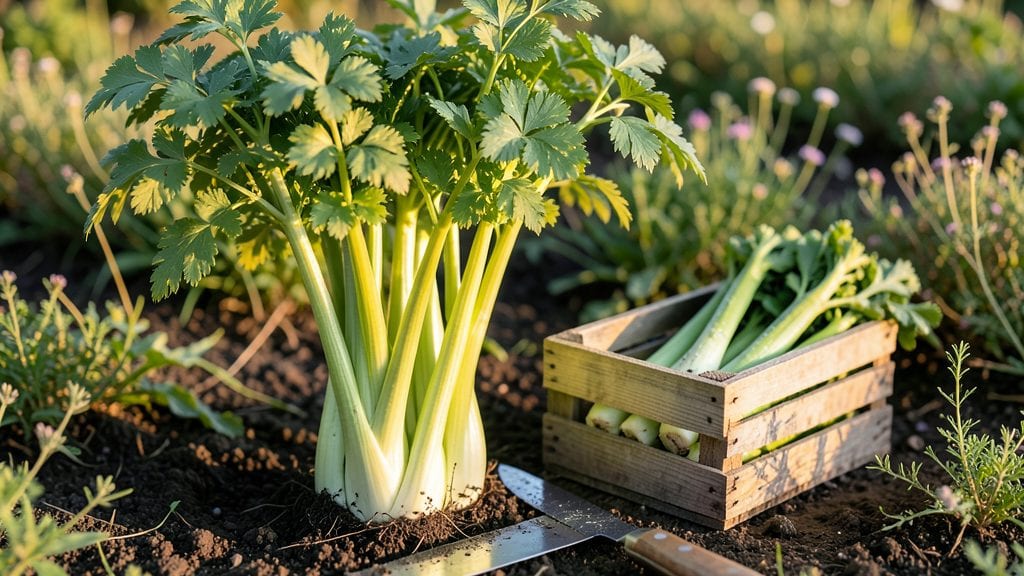
Harvesting garden celery at the right moment turns your 🥬 patch into a crisp, flavorful bounty—before it gets tough or bitter.
Picture this: you’ve nurtured your celery for months, only to pull it too late and end up with woody stalks that taste like disappointment. The good news? With the right timing and technique, you can avoid this frustration and enjoy celery that’s as fresh as it is delicious.
In this guide, you’ll discover exactly when to harvest your celery—whether it’s in June or October—and how to tell when it’s ready. Plus, I’ll share the best way to cut it without damaging the plant, so you can keep the harvest coming all season long.
Ready to turn your garden into a crisp, flavorful celery powerhouse? Let’s get started.
When to harvest garden celery for peak freshness and flavor
Timing your celery harvest correctly is the secret to enjoying crisp, sweet stalks straight from your garden. Unlike many vegetables, celery doesn’t soften as it matures—it actually becomes woody and bitter if left too long. Knowing the ideal harvest window ensures you get the most flavorful, tender stalks possible.
Most garden celery varieties take between 100 to 160 days to reach harvest, but the sweet spot is around 120 days. This window balances size and tenderness, giving you stalks that are thick enough to use but still crisp.
Skipping this timing means risking tough, fibrous celery that’s more suitable for compost than the kitchen.
summary-table
| Stage | Days to Maturity | Stalk Thickness | Height Requirement | Leaf Color | Harvest Cue |
|---|---|---|---|---|---|
| Underripe | < 100 days | < 0.5 inch | < 6 inches | Pale green | Too thin, soft |
| Ideal Harvest | 120 days | 1 inch | 12+ inches | Dark green | Crisp, firm stalks |
| Overripe | 160+ days | 1.5+ inches | 18+ inches | Yellowing | Woody, bitter taste |
Pay attention to seasonal cues beyond just days-to-maturity. In cooler climates, aim for a fall harvest between late September and October, when temperatures drop slightly. This cooler weather helps celery develop its signature sweetness.
Meanwhile, spring-planted celery should be ready by mid-summer, but watch for heat stress, which can make stalks tough and bitter.
One of the easiest ways to determine if your celery is ready is by checking the stalk diameter. Aim for stalks that are at least 1 inch thick at the base. Thin stalks (under 0.5 inches) won’t have enough substance, while overly thick stalks (1.5+ inches) often signal overmaturity.
Run your thumb along the stalk—if it feels firm and crisp, it’s time to harvest.
Don’t ignore the leaf color either. Healthy, ready-to-harvest celery has dark green leaves that are crisp to the touch. If the outer leaves start turning yellow or brown, that’s a sign your celery has passed its prime.
The inner stalks might still be edible, but they’ll lack the freshness and flavor you’re after.
For successive plantings, stagger your sowing by 2-3 weeks to ensure a continuous harvest. This works especially well in warmer climates where you can plant celery in both spring and fall. By spacing out your plantings, you’ll always have fresh celery on hand without the risk of overripening.
If you’re growing celery in containers, keep an eye on the root ball as well. Overcrowded roots can stunt stalk development, making it harder to identify maturity.
Thin seedlings early to give each plant at least 6-8 inches of space, which prevents competition and encourages thicker, more flavorful stalks.
Never harvest celery during the hottest part of the day. The stalks are most tender in the early morning, when they’ve had a full night to hydrate.
Cutting at this time also reduces stress on the plant, helping it recover faster if you plan to harvest more stalks later in the season.
One common mistake is assuming all celery varieties mature at the same rate. Golden self-blanching celery, for example, often matures faster than traditional green varieties. Always check the seed packet for specific days-to-maturity guidelines, as this can vary by 10-20 days between types.
After harvesting, store your celery in the crisper drawer of your fridge, wrapped in a damp paper towel to maintain moisture. With proper timing and care, you’ll enjoy garden-fresh celery that’s far superior to store-bought—crisp, sweet, and packed with flavor. 🥬
Step-by-step guide to harvesting celery without damaging the plant
Harvesting your homegrown celery at the right time ensures crisp, flavorful stalks—but improper techniques can stress the plant and reduce future yields. The key is to cut correctly, use the right tools, and care for the plant afterward to encourage regrowth.
With these step-by-step methods, you'll maximize your harvest while keeping your celery thriving for weeks to come.
Celery is a cut-and-come-again crop, meaning you can harvest outer stalks repeatedly without killing the plant. However, overharvesting or using dull tools can damage the root system and leaves, leading to stunted growth.
By following this guide, you'll preserve the plant's health while enjoying a steady supply of fresh, homegrown celery.
Step-by-Step Celery Harvesting Process
-
Step 1: Choose the Right Tools
Use a sharp knife or pruning shears to make clean cuts. Dull tools crush stalks, causing bruising and inviting pests.
-
Step 2: Identify Mature Stalks
Select stalks that are 12+ inches tall, 1-inch thick, and have dark green leaves. Avoid harvesting the innermost stalks first—they’re the plant’s future growth.
-
Step 3: Cut at the Base
Hold the stalk firmly and cut it just above the soil line at a 45-degree angle. This prevents water from pooling on the cut and reduces rot risk.
-
Step 4: Leave the Core Intact
Never remove more than 1/3 of the stalks at once. The central core should remain undisturbed to support regrowth.
-
Step 5: Post-Harvest Care
After cutting, water deeply to replenish moisture lost during harvest. Apply a light mulch around the base to retain soil moisture and protect roots.
-
Step 6: Store Properly
Store harvested celery in a plastic bag with a damp paper towel in the fridge. This keeps it crisp for 2-3 weeks while encouraging regrowth in the garden.
After harvesting, monitor your celery plant closely. If the remaining stalks grow slowly, add a balanced fertilizer with high nitrogen to promote leafy regrowth. Avoid over-fertilizing, as this can lead to excessive leaf growth at the expense of stalk development.
With proper care, your celery plant can produce multiple harvests over its lifespan.
For continuous yields, consider planting new celery seeds every 4-6 weeks during the growing season. This staggered approach ensures you always have fresh stalks ready to harvest while minimizing gaps in your supply.
Pair your celery with companion plants like parsley or carrots to improve flavor and deter pests naturally.
With these techniques, you’ll enjoy a bountiful celery harvest without sacrificing the plant’s health. Happy harvesting! 🥬