
Tools
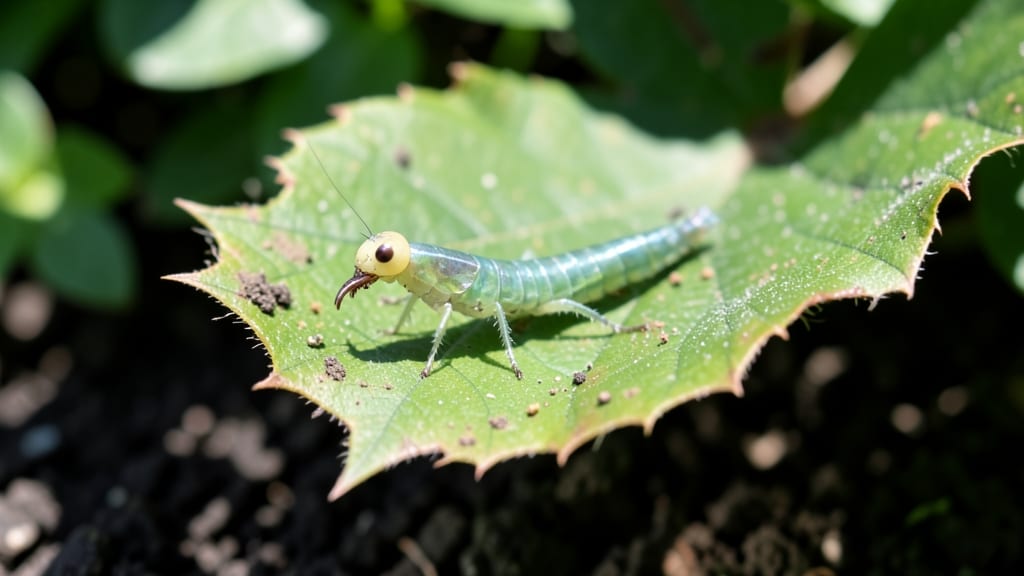
Flipping through garden bugs pictures helped me spot the difference between harmless visitors and crop-ruining pests—so I could finally protect my tomatoes without poisoning my whole ecosystem. 🌿 and which to watch for.
The difference between a flourishing garden and a frustrating one often comes down to knowing what’s chewing your leaves and what’s pollinating your flowers.
This guide cuts through the confusion with clear visuals and simple descriptions. You’ll spot aphids, Japanese beetles, and ladybugs in seconds, plus learn why some bugs are actually your garden’s secret allies.
No more guessing whether that tiny black beetle is a menace or a helper—just a quick glance and you’ll know exactly what’s happening in your soil and on your plants.
The payoff is immediate: fewer pests mean more produce, and more beneficial insects mean stronger plants. By the end, you’ll recognize common garden visitors like old friends—some to celebrate, others to manage. Plus, you’ll avoid common mistakes that turn beneficial bugs into pests (like overwatering, which attracts fungus gnats).
Whether you’re dealing with a sudden infestation or just curious about the tiny creatures sharing your garden, this visual guide gives you the confidence to act fast. No more wasted seasons wondering what’s wrong—just clear answers to keep your garden thriving.
Understanding The Root Causes
Garden pests aren’t just random visitors—they’re drawn to your yard for specific reasons, often tied to environmental cues, plant health, or even human activity. Recognizing these triggers helps you take targeted action before bugs become a full-blown infestation.
Here’s why your garden might be attracting unwanted critters, broken down by the most common culprits.
Unhealthy plants are like neon signs for pests. When plants are stressed—whether from overwatering, underwatering, nutrient deficiencies, or disease—they emit chemical signals that attract bugs seeking an easy meal. For example:
- Soft-bodied pests (aphids, whiteflies, mealybugs) thrive on weak, sap-rich plants like tomatoes or roses.
- Fungal diseases (e.g., powdery mildew) create entry points for insects like spider mites, which feed on damaged foliage.
- Over-fertilized lawns produce tender, nutrient-laden grass that attracts grubs, chinch bugs, and armyworms.
Actionable fix: Regularly inspect plants for yellowing leaves, wilting, or unusual spots. Prune dead growth, water deeply (but not excessively), and use balanced, slow-release fertilizers to keep plants resilient.
Fruit flies, Japanese beetles, and even squash bugs are magnets to overripe, rotting, or dropped produce. These pests lay eggs in decaying organic matter, and their larvae burrow into healthy fruit nearby. Common offenders include:
- Stone fruits (peaches, plums) – Attract fruit flies within 24 hours of ripening.
- Cucurbits (squash, melons, pumpkins) – Squash vine borers target weakened vines near rotting fruit.
- Citrus and berries – Often drop to the ground when overripe, creating a buffet for beetles.
Actionable fix:
- 🍑 Harvest fruit promptly—pick ripe produce daily to prevent overripening.
- 🧹 Clean up debris—remove fallen fruit, leaves, and weeds from the garden bed.
- 🪲 Use row covers for squash and berries to block egg-laying adults.
Many garden pests thrive in damp, shaded conditions. Excess moisture softens plant tissues, making them easier to penetrate, while shade reduces evaporation, prolonging ideal breeding environments. Common examples:
| Pest | Preferred Conditions | Why It’s a Problem |
|---|---|---|
| Slugs & Snails | High humidity, mulch, or dense ground cover | They leave a slimy trail and devour seedlings overnight. |
| Fungus Gnats | Overwatered potting soil (especially in containers) | Larvae feed on roots, stunting plant growth. |
| Earwigs | Dark, moist crevices (under rocks, mulch, or boards) | They chew flowers and tender leaves at night. |
Actionable fix:
- 💦 Improve drainage—raise garden beds or add sand to clay soil.
- ☀️ Prune shade plants to allow sunlight and airflow.
- 🪵 Use gravel or diatomaceous earth in shaded areas to deter slugs.
Even well-maintained gardens can become pest hotspots due to unintentional human behaviors. For example:
- Leaving pet food or compost piles uncovered attracts ants, rodents, and flies.
- Storing firewood near the house provides shelter for earwigs, spiders, and even termites.
- Using synthetic pesticides improperly can kill beneficial insects, creating a vacuum that pests rush to fill.
- Planting non-native species without researching their pest risks (e.g., some hybrid roses are aphid magnets).
Actionable fix:
- 🗑️ Store compost and pet food in sealed bins away from garden edges.
- 🪵 Keep firewood elevated and at least 20 feet from your home.
- 🌿 Choose pest-resistant plant varieties (e.g., ‘Blaze’ tomato for fewer hornworms).
Weather patterns directly influence pest populations. For instance:
- Mild winters allow overwintering pests (like boxelder bugs or stink bugs) to survive and reproduce earlier.
- Heavy rains wash away natural predators (e.g., ladybugs), leaving aphids unchecked.
- Drought stress weakens plants, making them susceptible to borers and scale insects.
Actionable fix:
- 🌡️ Monitor weather forecasts and adjust watering schedules to avoid stressing plants.
- 🐞 Encourage natural predators (ladybugs, lacewings) by planting companion flowers like dill or marigolds.
- 🌿 Mulch strategically to retain moisture during droughts but avoid over-moisture.
Quick Fixes for Garden Bug Woes
Unwanted critters can turn your lush garden into a battleground, but don’t worry—most pest problems have simple, effective solutions. Below, we’ve mapped common garden bugs to their fixes, from organic remedies to long-term prevention.
Whether you’re dealing with chewed leaves, holes in fruit, or pesky crawlers, these methods will help you reclaim your garden without harsh chemicals.
Signs: Curled leaves, sticky residue (honeydew), and clusters of small green/black bugs. Fix:
- Blast them away: 🔥 Use a strong stream of water from your hose to knock aphids off plants. Do this in the early morning for best results.
- Soap spray: Mix 1 tbsp mild dish soap (like Castile) with 1 quart water in a spray bottle. Test on a small leaf first—soap can damage some plants.
- Ladybugs to the rescue: 🐞 Introduce ladybugs (buy them online or at garden centers) as they feast on aphids naturally.
Prevention:
- Encourage predators: Plant dill, fennel, or marigolds near vulnerable plants to attract beneficial insects.
- Remove debris: Clear fallen leaves and stems where aphids hide over winter.
Signs: Ragged holes in leaves, frass (chewed-up leaf debris), or silk webbing (tent caterpillars). Fix:
- Handpick carefully: 👨🍳 Wear gloves and drop caterpillars into soapy water. Best done in the evening when they’re sluggish.
- Bacillus thuringiensis (Bt): 💡 A natural bacteria spray (sold as Dipel or Xentari) that kills caterpillars but is safe for humans and pets. Reapply after rain.
- Neem oil: Mix 1 tbsp neem oil + 1 tsp mild soap + 1 quart water. Spray leaves thoroughly (avoid flowering plants to protect bees).
Prevention:
- Row covers: Use lightweight fabric over young plants to block moths from laying eggs.
- Traps: Hang pheromone traps for specific moths (like tomato hornworms) to reduce populations.
Signs: Irregular holes in leaves, silvery slime trails, and missing seedlings overnight. Fix:
- Beer traps: 🍺 Bury a shallow container (like a yogurt cup) filled with beer. Slugs crawl in and drown—place near problem areas.
- Copper barriers: 🔥 Wrap copper tape around pots or garden beds. The slight electric charge repels slugs.
- Diatomaceous earth (DE): Sprinkle food-grade DE around plants. It’s non-toxic but deadly to slugs—reapply after rain.
Prevention:
- Mulch alternatives: Use gravel or pine needles instead of thick organic mulch, which slugs love to hide under.
- Handpick at night: 🌙 Shine a flashlight on the garden after dark and relocate slugs to a dry, sunny spot (they’ll retreat).
Signs: Skeletonized leaves (only veins remain) and clusters of metallic green beetles. Fix:
- Handpick & drop: 🔪 Fill a bucket with soapy water and shake beetles off plants into it.
- Neem oil or kaolin clay: Spray leaves with neem oil or dust with kaolin clay (like Surround WP) to create a barrier they dislike.
- Milky spore: 🌡️ A natural bacteria (Bacillus popilliae) that targets Japanese beetle grubs in the soil. Takes 2–3 years to establish but works long-term.
Prevention:
- Trap strategically: Use Japanese beetle traps, but place them far from your garden—they attract more beetles if too close!
- Plant repellents: Beetles avoid garlic, catnip, or rosemary. Plant these near vulnerable plants.
Signs: Fine webbing on leaves, stippled or yellowing foliage, and tiny moving dots (use a magnifying glass). Fix:
- Water blast: 💦 Spray leaves thoroughly with water to dislodge mites (they hate humidity).
- Horticultural oil: Mix 1–2% horticultural oil with water and spray undersides of leaves where mites hide.
- Release predatory mites: 🕷️ Buy phytoseiulus persimilis mites from garden stores—they eat spider mites but won’t harm plants.
Prevention:
- Dusty conditions: Keep plants well-watered and avoid overcrowding to deter mites.
- Reflective mulch: Use silver or aluminum mulch to confuse and repel mites.
- Rotate crops: Avoid planting the same family (like tomatoes or squash) in the same spot yearly to disrupt pest life cycles.
- Healthy soil = happy plants: 💪 Use compost and organic matter to boost plant resilience—strong plants resist pests better!
- Inspect regularly: Check undersides of leaves and new growth weekly for early signs of trouble.
Pro Tip: 🎯 Less is more! Start with one method (like handpicking or water blasts) before combining treatments. Overusing pesticides can harm beneficial insects and disrupt your garden’s ecosystem.
Frequently asked questions
How do I tell if a garden bug is harmful or helpful?
Look for key features: harmful bugs often have piercing mouthparts (like aphids) or chew leaves (caterpillars), while helpful ones like ladybugs or lacewings have rounded bodies and eat pests. Use our visual guide to compare wings, body shapes, and behaviors—most beneficial insects have elongated bodies or delicate wings.
Can I use these pictures to identify bugs in my region?
Yes! While we cover common species, always check with your local cooperative extension service for regional-specific pests. Climate and local ecosystems can introduce variations. Use our pictures as a starting point, then verify with a magnifying glass or expert consultation.
What’s the best time of day to spot garden bugs?
Early morning or late afternoon are ideal—bugs are most active when temperatures are moderate. Check undersides of leaves for hidden pests like spider mites or aphids. Avoid midday heat, which makes many insects sluggish or hides them in shade.
How do I safely handle garden bugs for identification?
Use a soft paintbrush or tweezers to gently lift bugs onto a white surface (like paper or a tray). Never squash them—it distorts their features. Place a small cup or jar over the bug to contain it before examining. Release beneficial insects back into your garden after identifying them.
Why do some bugs look identical but have different names?
Many garden insects share similar traits due to evolutionary adaptations (e.g., mimicry or camouflage). For example, harlequin bugs and stink bugs both have shield-shaped bodies, but harlequin bugs have bright colors to warn predators. Check wing patterns, leg structures, and antennae for precise identification.