
Neem Oil
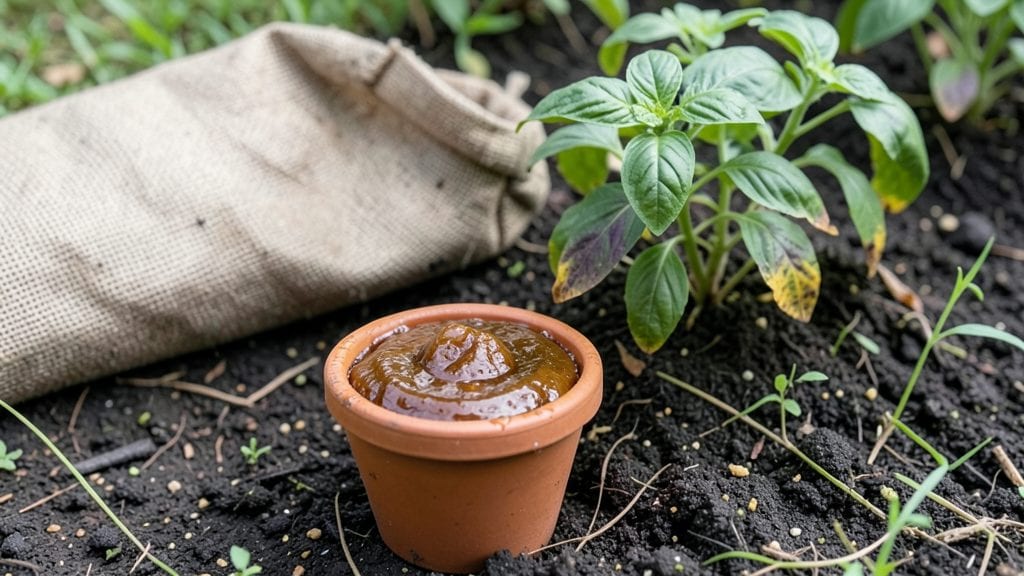
Boiled linseed oil is safe for garden beds when used correctly—it enhances soil structure by sealing tiny air pockets, locks in moisture, and discourages weeds, though excessive use can suffocate helpful soil bacteria and create impermeable layers in sandy soil. Always thin it properly and use it judiciously.
This oil works because its oxidized properties create a natural waterproofing effect, helping sandy soils hold moisture longer while still allowing roots to breathe. 🌱 The key is moderation—too much can turn your soil into a dense barrier that blocks water and air flow, while the right amount acts like a protective sealant.
I’ve seen gardeners mix it with compost to balance its benefits, especially in dry climates where moisture retention is critical.
For best results, dilute it with water (1 part oil to 10 parts water) and apply lightly—think of it as a soil conditioner, not a heavy-duty treatment.
Overapplication can even attract pests by creating an unnatural environment for microbes. Always spot-test in one area first to monitor how your soil responds.
💡 In This Article
- How Boiled Linseed Oil Affects Soil Health and Plant Growth
- Best Practices for Applying Linseed Oil in Garden Beds
How boiled linseed oil affects soil health and plant growth
Boiled linseed oil, also called oxidized linseed oil, transforms through a chemical process where linseed oil is heated to 375-400°F until it thickens and darkens. This oxidation creates a sticky, resinous substance that binds soil particles together through a process called hydrophobic bonding.
The oil coats soil aggregates, reducing surface tension and allowing water to penetrate more evenly. This is why it works so well in sandy soils—where water drains too quickly—by creating micro-capillaries that hold moisture near plant roots.
The oil’s viscosity also plays a key role in weed suppression. When applied thinly (1 part oil to 10 parts water), it forms a protective film over the soil surface that blocks sunlight from reaching weed seeds.
This isn’t a herbicide, but the physical barrier prevents germination. 🌱 However, the film is porous enough to allow air and water vapor exchange, so it doesn’t suffocate existing plants.
The trade-off is that thick applications can create an impermeable layer, trapping excess moisture and promoting fungal growth in poorly drained soils.
Microbial activity is where things get nuanced. While boiled linseed oil doesn’t kill all soil microbes, it does create anaerobic zones in dense applications. Beneficial bacteria and fungi need oxygen to thrive, and a thick oil layer can restrict airflow to 10-20% of normal levels in the treated zone.
This is why gardeners often mix it with compost or sand—diluting the oil maintains its moisture-retention benefits while preserving microbial diversity. The oil’s natural antimicrobial properties (from linoleic acid oxidation) can also suppress harmful pathogens like Phytophthora, but only in moderation.
For plant roots, the oil’s effects depend on soil type. In clay soils, it improves aeration by preventing compaction, while in sandy soils, it enhances water retention without inhibiting root penetration. However, overapplication can lead to root asphyxiation—roots struggle to access oxygen when oil coats pore spaces too heavily.
Young seedlings are most vulnerable, as their delicate root hairs can’t penetrate oil-treated layers effectively. 💫 This is why professional gardeners recommend a maximum application rate of 1 gallon per 100 square feet and reapplying only every 2-3 years.
The long-term impact on soil fertility depends on balance. While the oil itself doesn’t provide nutrients, its moisture-retention properties allow beneficial microbes to flourish during dry periods. But without regular organic matter additions, the soil can become dependent on the oil’s artificial waterproofing.
Over time, this creates a cycle where native soil structure weakens, requiring more frequent oil applications—a classic case of soil degradation through chemical dependency.
Here’s what most gardeners miss: The oil’s benefits peak in the first 6-12 months after application, after which its effectiveness declines as it breaks down. During this window, it’s most valuable for establishing new plantings in poor-quality soil or preparing garden beds for drought-prone conditions.
After that, its role shifts to maintenance rather than improvement. 🌿