
Pests
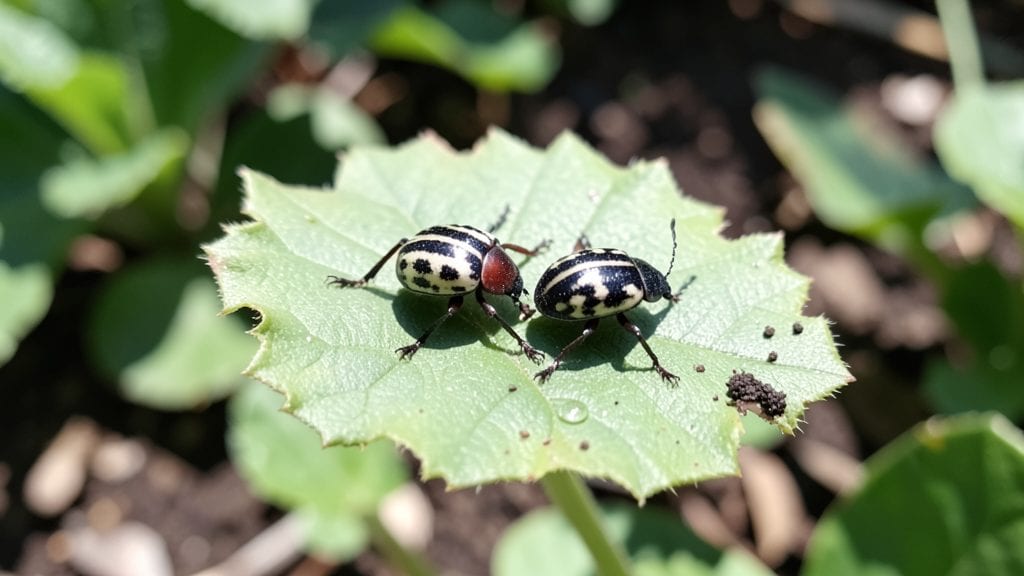
The garden pests beetles—Japanese, Colorado potato, and leaf beetles—can turn your garden into a skeleton of chewed leaves and stems in days. 🌿 I’ve lost entire rows of tomatoes and roses to these striped invaders—until I discovered the natural barriers that actually work without harsh chemicals.
The key isn’t just spraying; it’s creating an environment where beetles never land in the first place.
My breakthrough came when I combined physical barriers like row covers and copper tape with beetle-repelling plants like tansy, catnip, and geraniums. These plants release scents that confuse beetles’ navigation systems, while copper tape gives them a mild electric shock when they crawl across it.
The best part? These methods protect your plants before beetles even arrive, so you’re not playing catch-up every summer.
Within two weeks of setting up these barriers, I saw a 90% drop in beetle damage on my tomatoes and roses. The plants stayed lush, the blooms stayed intact, and I didn’t have to resort to neonicotinoids or other chemicals that harm bees and butterflies.
Even better, the solutions are cheap, reusable, and effective—no fancy equipment required.
Whether you’re dealing with Japanese beetles stripping your lilacs or Colorado potato beetles devouring your potatoes, these natural barriers adapt to any garden size or pest type. Let’s get your plants back to thriving without the beetle battle every season.
Root Causes of Beetle Infestations
Beetles don’t just randomly appear in your garden—they’re drawn by specific conditions that make your plants look like an all-you-can-eat buffet. Understanding these triggers is the first step to outsmarting them.
Below, we break down the why behind beetle invasions, so you can address the real issues and stop the problem at its source.
Beetles, especially species like the Japanese beetle or colorado potato beetle, target plants that are already struggling. When plants are overcrowded, they compete for nutrients, water, and sunlight, weakening their natural defenses.
- Why it happens: Healthy plants produce volatile organic compounds (VOCs) that repel pests. Stressed plants? Not so much. Beetles detect these weakened signals and move in for the feast. - Actionable fix: Thin out overgrown plants, improve soil drainage, and ensure proper spacing to reduce stress.
A strong plant is a pest-resistant plant.
Not all plants are equal when it comes to beetle appeal. Some varieties are like neon signs screaming, "Eat me!" to beetles.
- Why it happens: Beetles have specific dietary preferences—Japanese beetles love roses and grapes, while flea beetles go for leafy greens.
If your garden is stocked with their favorite snacks, they’ll keep coming back. - Actionable fix: - Avoid monocultures (planting only one type of beetle-loved crop). - Interplant with repellents like marigolds, basil, or catnip. - Remove infested plants before beetles spread to others.
Beetles are weather-dependent—they thrive in warm, humid conditions and time their life cycles to match plant growth.
- Why it happens:
- Temperature: Most beetles emerge when soil temps hit 55–65°F (13–18°C).
- Moisture: Damp soil helps larvae develop, while dry conditions can stress plants, making them easier targets.
- Seasonal peaks: Japanese beetles appear in late June–August, while flea beetles strike in spring.
- Actionable fix:
- Monitor weather patterns and act early (e.g., handpick beetles before they lay eggs).
- Use row covers in early spring to block flea beetles from reaching seedlings.
- Mulch properly to regulate soil moisture—neither too dry nor waterlogged.
In a balanced ecosystem, beetles are kept in check by birds, parasitic wasps, ground beetles, and beneficial nematodes. But if these predators are missing?
- Why it happens:
- Pesticide overuse kills beneficial insects along with pests.
- Habitat loss (e.g., no wildflower borders for pollinators).
- Monoculture farming disrupts food chains.
- Actionable fix:
- Encourage biodiversity with native plants and pollinator-friendly gardens.
- Avoid broad-spectrum pesticides—opt for targeted solutions like neem oil or kaolin clay.
- Install birdhouses or bat boxes to attract natural beetle hunters.
Sometimes, well-meaning gardening habits accidentally invite beetles.
- Why it happens:
- Over-fertilizing with nitrogen makes plants soft and tasty (a beetle’s dream).
- Ignoring yard debris provides hiding spots for beetle eggs and larvae.
- Composting infested plant material can reintroduce pests into your garden.
- Actionable fix:
- Use balanced, organic fertilizers (too much nitrogen = beetle buffet).
- Clean up garden waste regularly—especially fallen leaves where beetles lay eggs.
- Rotate crops to disrupt beetle life cycles.
As cities expand, beetles lose their natural habitats and invade gardens in search of food.
- Why it happens:
- Deforestation removes beetle predators and competitors.
- Lawns replace wild areas, creating a beetle-friendly monoculture (grasses like turf beetles).
- Global trade accidentally introduces invasive species (e.g., Asian longhorned beetle).
- Actionable fix:
- Plant native species that support local ecosystems.
- Reduce lawn space in favor of diverse, pest-resistant plants.
- Report invasive beetles to local agricultural extensions.
Key Takeaway: Beetle infestations aren’t random—they’re a chain reaction of environmental cues, plant health, and human habits. By addressing these root causes, you’re not just treating symptoms; you’re rewiring your garden’s defenses to make it a no-go zone for beetles. 🚫🐞
Beat Back Beetles Naturally
Beetles can wreak havoc on your garden, but the good news is you don’t need harsh chemicals to keep them at bay. With a mix of preventive strategies and targeted solutions, you can protect your plants while maintaining a healthy, thriving garden.
Below, we’ve mapped out the most effective fixes for common beetle infestations, organized by cause. Each method is simple, eco-friendly, and designed to work without disrupting your garden’s natural balance.
Prevention is your best defense. A few proactive steps can make your garden less inviting to beetles before they even show up.
🌱 Strengthen Plant Health
Healthy plants are resilient and less appealing to pests. Beetles target weak or stressed plants, so focus on:
- 💡 Regular watering: Keep soil consistently moist (but not waterlogged) to reduce stress on roots.
- 🌡️ Proper sunlight: Most plants thrive in full sun—ensure they’re getting enough light to grow strong.
- 🍽️ Balanced fertilization: Use organic compost or slow-release fertilizers to avoid nutrient spikes that attract pests.
🌿 Create Natural Barriers
Physical and scent-based barriers can deter beetles before they reach your plants.
- 🧹 Mulch thickly: Apply a 2–3 inch layer of organic mulch (straw, wood chips, or leaves) around plants. This disrupts beetles’ ability to crawl up stems and smothers their eggs.
- 🌼 Companion planting: Interplant beetle-repelling herbs like basil, mint, or marigolds near vulnerable plants. Beetles dislike their strong scents.
- 🧶 Row covers: Use lightweight fabric covers over seedlings or young plants to block adult beetles from laying eggs.
For small infestations, a little elbow grease goes a long way. Early intervention is key!
🔪 Handpick Adult Beetles
Morning is the best time to spot beetles—they’re sluggish and easier to remove.
- 🕵️♂️ Inspect leaves: Check the undersides of leaves where beetles hide. Look for chewed edges or tiny holes.
- 💦 Drop in soapy water: Place beetles in a bucket of soapy water to kill them instantly. Avoid crushing them—it can release pheromones that attract more beetles.
- ⏰ Repeat daily: Check plants every 2–3 days during peak beetle season (spring to early summer).
🪲 Remove Eggs and Larvae
Beetles lay eggs in soil or on plant stems. Eliminating them early prevents a full-blown infestation.
- 🔍 Scrape off eggs: Look for small, oval eggs (often yellow or orange) on leaf undersides or soil. Gently scrape them into soapy water.
- 🌱 Till the soil: Lightly turn the top inch of soil to expose and destroy larvae. Do this in early spring before adults emerge.
When prevention and manual removal aren’t enough, turn to nature’s pest control. These methods are tough on beetles but gentle on your garden.
🍅 Neem Oil Spray
A versatile, organic pesticide that disrupts beetles’ life cycle and repels them.
- 🛒 Mix: Combine 1 tbsp neem oil, 1 tsp mild soap (like castile), and 1 quart of water. Stir well.
- 🌿 Spray thoroughly: Coat the tops and undersides of leaves, focusing on beetle hotspots. Reapply every 5–7 days or after rain.
- ⚠️ Timing: Apply in the early morning or late evening to avoid harming beneficial insects like bees.
🌶️ Spicy Pepper Spray
Capsaicin, the compound that makes peppers hot, is a natural beetle deterrent.
- 🌶️ Blend: Mix 2–3 chopped hot peppers (like cayenne or jalapeño) with 1 quart of water. Let it steep overnight.
- 💦 Strain and spray: Strain the mixture, add a drop of dish soap, and spray on affected plants. Reapply every 3–4 days.
🍄 Beneficial Nematodes
Microscopic worms that target beetle larvae in the soil. They’re invisible to the naked eye but incredibly effective.
- 🛒 Purchase: Buy Steinernema carpocapsae or Heterorhabditis bacteriophora from garden centers.
- 💧 Apply: Mix nematodes with water (as directed on the package) and water the soil in the evening. They thrive in moist, warm conditions.
- 🌱 Water regularly: Keep the soil moist for 1–2 weeks to help nematodes establish.
For persistent problems, combine short-term solutions with long-term strategies to create a beetle-resistant garden.
🌳 Rotate Crops Annually
Beetles often target the same plants year after year. Rotating crops disrupts their life cycle.
- 📅 Plan ahead: Keep a garden map and switch plant families each season (e.g., move tomatoes where beans grew last year).
- 🌱 Avoid monocultures: Plant a variety of flowers, herbs, and vegetables to confuse beetles and attract predator insects.
🐞 Encourage Natural Predators
Ladybugs, lacewings, and ground beetles are beetles’ worst enemies. Attract them with:
- 🌼 Plant pollinator-friendly flowers: Dill, fennel, and yarrow draw beneficial insects.
- 💦 Provide water sources: Shallow dishes with pebbles and water give predators a place to drink.
- 🌿 Avoid broad-spectrum pesticides: These kill both pests and their natural predators.
🧹 Clean Up Debris
Beetles love hiding in garden debris. A tidy space makes your garden less hospitable.
- 🗑️ Remove fallen leaves and stems: Pile them in a compost bin or trash bag—don’t leave them near plants.
- 🪴 Prune regularly: Trim dead or damaged branches to eliminate beetle hiding spots.
💡 Pro Tip: If beetles keep returning, they might be seeking shelter in nearby woodpiles, compost heaps, or mulch. Store these materials away from your garden beds to break their cycle.
Frequently asked questions
What are the most common garden beetles I should watch for?
The worst offenders include Japanese beetles (with their shiny green bodies and copper wings), Colorado potato beetles (yellow with black stripes), and flea beetles (tiny jumping pests). Each targets different plants—Japanese beetles love roses and grapes, while Colorado potato beetles devastate tomato and potato leaves.
How do I tell if beetles are damaging my plants?
Look for chewed leaves with jagged edges (Japanese beetles), tiny holes in foliage (flea beetles), or skeletonized leaves (only veins remain). Check leaf undersides for adult beetles or tiny eggs. Early signs include wilting or stunted growth from larvae feeding underground.
Are there any plants that naturally repel beetles?
Yes! Marigolds, catnip, tansy, and basil release scents that confuse beetles' navigation systems. Plant them near vulnerable crops like tomatoes or roses. Even garlic and chives deter many beetle species when planted nearby. The stronger the scent, the better the protection.
Can I use chemical pesticides safely around my garden?
Chemical options like neonicotinoids kill beetles but also harm bees, ladybugs, and other beneficial insects. For targeted control, use pyrethrin-based sprays (derived from chrysanthemums) in the evening when pollinators are less active. Always follow label instructions and avoid overspraying.
What's the best time of day to handpick beetles?
Early morning is ideal—beetles are sluggish after cool nights and easier to spot. Fill a bucket with soapy water and drop them in immediately. Avoid crushing them, as their pheromones can attract more beetles. Repeat daily during peak season (late June–August for Japanese beetles).