Pests
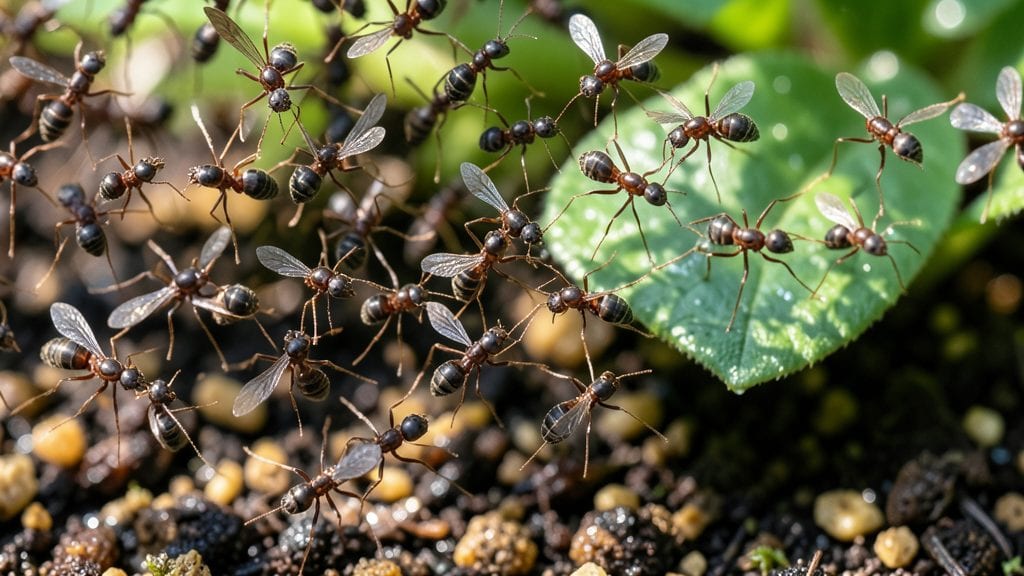
Flying ants swarming your garden isn’t just annoying—it’s a sign your plants might be under siege. 🌿 I’ve seen them turn a thriving vegetable patch into a skeleton overnight, and the key to stopping them lies in understanding their patterns and using natural deterrents that actually work.
The worst timing? Late summer when they’re most active, often after rain. They don’t just steal food—they can damage young seedlings and spread fungal infections. The good news? Simple fixes like diatomaceous earth, citrus peels, and neem oil disrupt their trails without harming bees or ladybugs.
You’ll see results within a week if you act fast—fewer scouts, no swarms, and plants that stay lush and healthy. The trick is consistency: reapply deterrents after rain and monitor for new activity, especially near compost piles or fruit trees.
Works for vegetable gardens, flower beds, and even patio containers. Here’s how to make them disappear for good—without the chemicals.
Understanding the swarm trigger
When your garden suddenly becomes a spectacle of winged invaders, it’s not just bad luck—it’s biology. Flying ants (often mistaken for termites) take flight in massive numbers due to very specific triggers.
Understanding these causes is the first step to preventing them from turning your outdoor space into their aerial highway. Let’s break down the science behind these swarms.
Flying ants are temperature-sensitive. Their swarming behavior is directly tied to environmental conditions, particularly when warm, humid weather arrives after cooler months. Here’s why:
- Colony Maturation: Ants need consistent warmth to develop. Once a colony reaches a critical size (typically in late spring or summer), worker ants produce reproductive swarmers—winged males and females—ready to mate and establish new colonies. Pro tip: If your area experiences an early heatwave, expect swarms earlier than usual.
- Humidity Levels: High humidity (60%+) signals ideal conditions for winged ants to take flight. Dry air can delay swarming, while sudden rain followed by warmth triggers mass takeoff. 💡 Monitor local weather forecasts—swarms often peak after a warm front moves in.
- Daylight Hours: Longer days (14+ hours of light) stimulate swarming. These ants are phototactic, meaning they’re drawn to light, which explains why they’re so visible during daytime swarms.
Not all ant swarms are created equal. Some colonies must release reproductive ants to avoid collapse. Here’s how overcrowding fuels the problem:
- Limited Space: Ant colonies expand until their nest (often in soil, wood, or wall voids) becomes overpopulated. When resources like food or nesting space dwindle, the colony prioritizes reproduction over survival. ✨ If you’ve noticed more ants indoors or around your garden’s foundation, your colony may be nearing capacity.
- Queen’s Lifespan: A single queen can live 10–30 years, producing thousands of eggs daily. As her offspring outgrow the nest, the colony fragments, sending out swarmers to found new queens. Actionable tip: If you see swarms yearly in the same spot, a long-lived queen colony likely lurks nearby.
- Food Scarcity: Worker ants forage relentlessly, but if food sources (like your compost, pet food, or fallen fruit) are inconsistent, the colony accelerates reproduction to ensure its genetic legacy. 🎯 Reduce accessible food sources to slow colony growth.
Flying ants follow a predictable annual cycle, with swarming tied to seasonal changes. Their timing varies by species and climate, but these patterns are universal:
| Season | Trigger | What Happens |
|---|---|---|
| Late Spring | Rising temperatures (60–70°F) | Primary swarm season. Colonies release alates (winged adults) to mate and start new nests. |
| Summer (Peak) | Humid heatwaves | Secondary swarms occur if initial attempts fail. Mated queens shed wings and seek nesting sites. |
| Fall | Cooling temperatures | Swarming slows as colonies focus on survival. Late-season swarms may indicate weak or dying colonies. |
💡 Pro Tip: In temperate zones, swarms typically happen in two waves—once in spring and again in summer. If you’re in a tropical climate, swarms may occur year-round but peak after rains.
Sometimes, we accidentally invite flying ants to the party. Disturbing their nests or altering their environment can force early swarming:
- Landscaping Changes: Digging, mulching, or planting near existing nests can stress the colony. Ants may release swarmers prematurely to relocate. 🔥 Watch for: Sudden swarms after garden work.
- Water Leaks: Moisture-rich areas (like leaky sprinklers or poor drainage) attract ants. A damp nest encourages rapid colony growth, leading to swarms. Action step: Fix irrigation issues to deter nesting.
- Structural Damage: If flying ants are swarming near your home, they may be nesting in wood, insulation, or wall voids. Disturbing these areas (e.g., renovations) can trigger defensive swarming.
Now that you know why these winged visitors invade, the next step is learning how to deter them naturally. The good news? Their swarming patterns are predictable—and so are the solutions.
Natural Ways to Keep Winged Invaders Out
Flying ants in your garden aren’t just an annoyance—they can damage plants, contaminate soil, and even invade your home. The good news? You don’t need harsh chemicals to solve the problem.
Below, we’ve mapped out practical, nature-friendly solutions tailored to the most common causes of flying ant infestations, plus prevention tips to keep them from returning.
Flying ants thrive in damp environments, so if your garden has soggy spots, standing water, or poor drainage, they’ll see it as an all-you-can-eat buffet.
✅ Fix It:
- 🌧️ Improve Drainage – Rake away excess mulch or organic matter that traps moisture. Install French drains or extend downspouts to redirect water away from plant beds.
- 💧 Reduce Watering at Dusk – Ants are most active in the evening. Water plants early in the day to let soil dry before nightfall.
- 🍃 Use Gravel or Sand – Replace thick mulch in problem areas with a thin layer of coarse gravel or sand to discourage moisture buildup.
💡 Pro Tip: Place diatomaceous earth (food-grade) lightly around moisture-prone areas. It dehydrates ants on contact but is safe for plants once settled.
Flying ants (and their wingless cousins) are attracted to sweet sap, rotting fruit, and tender young shoots. If your garden is a smorgasbord, they’ll keep coming back.
✅ Fix It:
- 🍎 Remove Rotten Fruit & Debris – Clear away overripe fruit, fallen leaves, and decaying wood from your garden beds. Store compost bins away from plants and use tight-fitting lids.
- 🌿 Prune Strategically – Trim sap-rich plants like maple, birch, or willow in late winter/early spring to reduce food sources before their nuptial flight.
- 🌶️ Spray Natural Repellents – Mix 1 part vinegar + 1 part water in a spray bottle and apply to ant trails. For a stronger deterrent, try neem oil spray (1 tsp neem oil + 1 tsp mild soap per quart of water).
🔥 Quick Fix: Hang citrus peels or coffee grounds near entry points. The strong scents confuse their scent trails and repel them naturally.
When flying ants swarm indoors, they’re usually following wingless workers—meaning you’ve got a hidden nest nearby (often in walls, under foundations, or in potted plants).
✅ Fix It:
- 🕵️♂️ Locate the Nest – Follow ant trails back to their entry point. Common spots include:
- 🌿 Potted plants (check soil moisture)
- 🪟 Cracks in foundations or windowsills
- 🪵 Woodpiles or firewood stacks (ants love damp wood)
- 🚫 Seal Entry Points – Use caulk or silicone sealant to close gaps around doors, pipes, and vents. For larger holes, install fine mesh screens.
- 🧽 Bait & Trap – Set out borax/sugar bait (1:1 ratio) in small containers near trails. Ants carry it back to the colony, eliminating the nest from within. ⚠️ Keep pets/kids away—borax is toxic if ingested.
💡 Pro Tip: Essential oil sprays (peppermint, tea tree, or eucalyptus) work well for indoor deterrence. Mix 10 drops of oil + 1 cup water in a spray bottle and apply to baseboards, windowsills, and entry points.
Once you’ve kicked them out, stop them from coming back with these habits:
- 🌿 Plant Smart – Flying ants dislike strong-smelling herbs like mint, basil, and lavender. Plant these near garden borders or entry points. - 🪴 Keep Plants Healthy – Strong, disease-free plants are less attractive.
Practice crop rotation and avoid over-fertilizing with nitrogen-heavy feeds. - 🧹 Regular Maintenance – Sweep up fallen petals, trim dead branches, and rotate garden tools to prevent ant highways from forming. - 🕯️ Light Traps (For Swarms) – During nuptial flights, set up yellow sticky traps or UV light traps to catch flying ants before they settle.
✨ Final Reminder: Flying ants are a natural part of the ecosystem—they’re not harmful to gardens long-term, but their swarms can be overwhelming. Focus on removing attractants and disrupting their trails, and you’ll see fewer visitors year after year.
Frequently asked questions about flying ants in gardens
Why do flying ants suddenly appear in my garden?
Flying ants swarm during warm, humid weather—usually late spring or summer—as colonies release winged adults to mate and start new nests. They’re often confused with termites but are harmless to plants unless they damage seedlings or spread fungal spores. Look for them after rain or during heatwaves when they’re most active.
Are flying ants dangerous to my garden plants?
While they don’t eat plants, flying ants can damage young seedlings by trampling them or spread fungal infections through their trails. The real issue is their swarms attracting predators like birds or disrupting pollinators. Focus on deterrents like diatomaceous earth or citrus peels to keep them away from vulnerable areas.
How can I tell if flying ants are nesting near my garden?
Check for small mounds in soil, woodpiles, or under rocks—common nesting sites. If you see wingless ants trailing to these spots, they’re likely leading to a colony. Follow their paths at dawn or dusk when they’re most active. For hidden nests, look for mud tubes on stems or cracks in foundations.
Will vinegar or essential oils really keep flying ants away?
Yes! A 1:1 vinegar-water spray disrupts their scent trails, while peppermint, tea tree, or eucalyptus oils repel them naturally. Reapply after rain or every 3-4 days for best results. For stubborn trails, sprinkle coffee grounds—ants avoid the strong scent.
Can I use diatomaceous earth safely around plants?
Food-grade diatomaceous earth is safe for gardens once settled but can dry out soil if overused. Lightly dust it around ant trails or entry points, avoiding direct contact with plant leaves. It dehydrates ants on contact without harming beneficial insects like bees or ladybugs.