
Advice
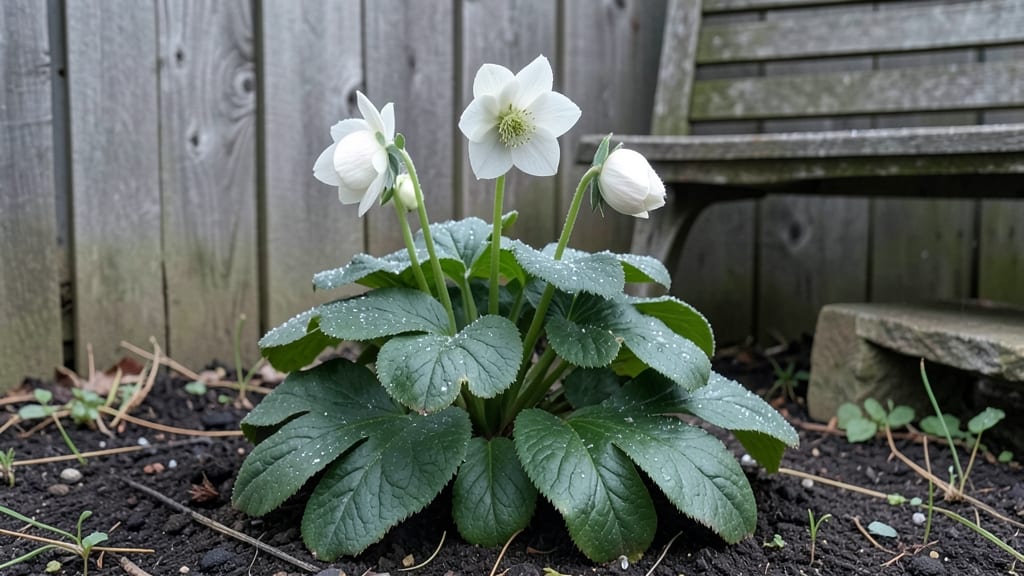
December garden isn’t about dormancy—it’s about quiet resilience. 🌿 I’ve learned that the plants still thriving in frost are the ones that teach you patience, like hellebores pushing through snow or evergreen shrubs standing tall against the cold. The key isn’t forcing growth but protecting what’s already there.
Start with the basics: mulch heavily to insulate roots, wrap tender stems in burlap, and prune only what’s dead or diseased—never in winter’s bite. A simple layer of straw around perennials can mean the difference between brown stems and next spring’s first blooms.
Even in December, there’s work to do that sets up a stronger garden.
What you’ll end up with is a garden that looks intentional, even in winter’s starkness—velvety holly berries, frosted pine needles, and the quiet satisfaction of knowing your plants are resting, not struggling.
The real magic happens when those same perennials burst into life by March, proving December’s quiet was just preparation.
Works for any yard, from city balconies to country fields, as long as you respect the season’s rules. Here’s how to make the most of what winter offers before spring arrives.
📚 In This Guide
- What you need
- Instructions
- Tips and common mistakes
- Wrapping up and next steps
What you need
- ● Cold-hardy perennials: 5–10 plants (e.g., Hellebores, Winter Aconite, Sedum, or Ornamental Grasses) – choose based on your USDA hardiness zone.
- ● Mulch: 2–3 inches of straw, shredded leaves, or pine needles to insulate roots.
- ● Organic compost: 1–2 bags (for soil enrichment before planting).
- ● Slow-release fertilizer: 1 bag (10–10–10 NPK ratio) for nutrient boost.
- ● Garden trowel or spade (for planting and soil prep).
- ● Pruners or shears (sterilized, for trimming dead foliage).
- ● Garden gloves (to protect hands from cold soil).
- ● Watering can or hose with a gentle nozzle (for hydration without disturbing soil).
- ● Measuring tape (to space plants 12–24 inches apart).
- ● Garden stakes or labels (to mark new plantings).
- ● Decorative stones or edging (for a polished look).
- ● Bird feeders or wind chimes (to add winter charm).
- ● Thermometer (to monitor soil temps for tender plants).
Instructions for designing a December garden with cold-hardy perennials
Here's how to create a vibrant winter garden that thrives in cold months.
🌱 Step 1: Select Cold-Hardy Perennials for Winter Interest
Choose plants that thrive in 20-30°F temperatures and provide color, texture, or structure through winter. I always include evergreen shrubs like boxwood or holly for year-round greenery, plus ornamental grasses that sway dramatically in winter winds. Add winter-blooming heaths or hellebores for late-season color—these tolerate frost and even snow.
Check your hardiness zone to ensure selections survive local winters. For instance, Russian sage and lavender handle -20°F well, while winter jasmine blooms beautifully in 10-20°F. I sketch a rough layout first, grouping plants by height and winter interest to create visual layers.
🪴 Step 2: Prepare the Soil and Plant in Late Fall
Amend the soil with 2-3 inches of compost mixed into the top 6 inches of soil to improve drainage and fertility. Cold-hardy perennials prefer well-draining soil, so avoid heavy clay without amendments. I plant in late October to early November, giving roots time to establish before winter but avoiding late-season frost damage.
Dig holes twice as wide as the root ball but only as deep. Place plants so the top of the root ball sits 1 inch above soil level—this prevents rot in winter's heavy rains. Water deeply after planting to settle the soil and eliminate air pockets around roots.
☀️ Step 3: Mulch and Protect New Plantings
Apply a 3-inch layer of mulch (like shredded bark or straw) around plants to insulate roots and retain moisture. I avoid piling mulch directly against stems—keep it 2 inches away to prevent rot. For extra protection, wrap young trees or shrubs with burlap during the coldest months, securing it loosely to allow airflow.
Water established plants once every 2-3 weeks during dry winter spells, focusing on evergreens that lose moisture through their needles. You'll notice winter-dormant plants looking crisp and healthy, while overwatered ones may develop fungal issues from soggy soil.
✂️ Step 4: Prune and Maintain Through Winter
Prune dead or damaged branches in late winter (February) to encourage new growth. I avoid heavy pruning in fall, as it exposes plants to cold damage. Instead, I shape lightly and remove only the most unsightly growth. For grasses and perennials, leave seed heads or dried foliage for winter interest—these provide texture and food for birds.
Check plants after heavy snowfalls to ensure branches aren’t broken. Gently brush off snow from evergreen needles to prevent sun scorch when winter sun hits. A quick inspection every few weeks keeps your garden looking intentional, not neglected.
💧 Step 5: Plan for Spring Transition
Start noting which plants thrived and which struggled during winter. I jot down observations like "the hellebores bloomed late this year" or "the lavender stayed green despite the freeze." This helps refine next year’s plant choices. In late February, begin fertilizing lightly with balanced 10-10-10 to wake up roots for spring growth.
Your December garden isn’t just surviving—it’s setting the stage for a stunning spring. The evergreens you planted now will frame early bloomers like crocuses and daffodils, creating a seamless transition from winter to spring beauty.
Tips & tricks for perfect December garden design
A few key strategies that'll make your winter garden thrive when others fade away.
Plant Selection Intelligence: In Step 1, don't just focus on cold tolerance—look for plants that offer multiple seasons of interest. Evergreen shrubs like boxwood provide year-round structure, while ornamental grasses add movement in winter winds. I always check for plants that have exfoliating bark (like birch) or colorful stems (dogwood) for extra winter drama. These elements create visual interest even when flowers are dormant.
Soil Prep Strategy: When amending soil in Step 2, consider adding a handful of sand or perlite to heavy clay soils—this improves drainage without changing the soil structure too dramatically. I've found that mixing in 1 part sand to 3 parts compost creates the perfect balance for cold-hardy plants. The goal is to mimic the well-draining conditions these perennials evolved to thrive in.
Mulching Mastery: The 3-inch mulch layer in Step 3 is your winter insulation—think of it like a cozy blanket for your plants. I recommend using shredded bark mulch because it breaks down slowly and improves soil structure over time. For extra protection in harsh winters, add a 4-6 inch layer around young plants, but remember to keep it 2 inches away from stems to prevent rot.
Winter Inspection Routine: After heavy snowfalls in Step 4, I always do a quick "snow brush test"—gently sweep snow off evergreen needles to prevent sun scorch. This simple habit keeps your plants looking healthy and prevents that unsightly brown patch damage. I also check for ice encasements on branches, which can cause breakage when they melt. A few minutes of inspection now saves hours of cleanup later.
Pro Tips for December Garden
- A few key strategies that'll make your winter garden thrive when others fade away.
- Plant Selection Intelligence: In Step 1, don't just focus on cold tolerance—look for plants that offer multiple seasons of interest.
- Soil Prep Strategy: When amending soil in Step 2, consider adding a handful of sand or perlite to heavy clay soils—this improves drainage without changing the soil structure too dramatically.
Frequently asked questions
Got questions about keeping your garden vibrant in December? You’re not alone! Here are some of the most common concerns—and straightforward answers—to help you plan with confidence.
What perennials can survive winter in my hardiness zone?
Cold-hardy perennials like heuchera (coral bells), sedum (stonecrop), lavender, and Russian sage thrive in winter. Check your USDA zone (e.g., Zones 3–10) and choose plants labeled "winter-hardy" or "evergreen." For extra protection, mulch heavily after the first frost.
How do I protect my December garden from frost damage?
Start with a 3–4 inch layer of mulch (straw, shredded leaves, or pine needles) around perennials to insulate roots. Group plants together to create microclimates, and use frost cloth for delicate foliage. Avoid watering before hard freezes—wet soil freezes faster. If a freeze is forecasted, cover tender plants with burlap or cardboard for a few days.
Can I still plant in December, or should I wait for spring?
Yes! December is ideal for planting bare-root perennials, bulbs (like tulips or daffodils), and cold-hardy shrubs. The soil is cool, reducing stress on roots. Avoid planting annuals or tender perennials, though. Focus on dormant-season planting—just water lightly after installation and mulch well.
What do I do with dead or brown foliage in my December garden?
Leave most dead foliage intact—it protects roots from temperature swings and insulates soil. Cut back only if it’s diseased or blocking pathways. For grasses or ornamental plants, shear lightly in early spring. Evergreens like boxwoods or holly may need a light trim to maintain shape, but avoid heavy pruning until late winter.
Are pests still a problem in a December garden?
Most pests are dormant, but rodents (like voles) and slugs may still nibble on tender roots or bulbs. Set out gravel barriers around vulnerable plants or use diatomaceous earth for slugs. Avoid chemical treatments—they’re ineffective in freezing temps and can harm beneficial insects when they wake up in spring.
Wrapping up and next steps
December doesn’t have to mean the end of your garden’s charm—cold-hardy perennials prove that beauty thrives year-round! 🌿 From evergreens to winter-blooming flowers, these resilient plants keep your outdoor space vibrant even in chilly months.
By choosing the right varieties and giving them proper care, you’re not just maintaining a garden—you’re creating a sanctuary that brings joy and color to the darkest season.
Ready to transform your December garden? Start small—plant a few hardy perennials this fall, and watch your space bloom with effortless elegance. Your winter garden awaits! 🌸