Vegetables
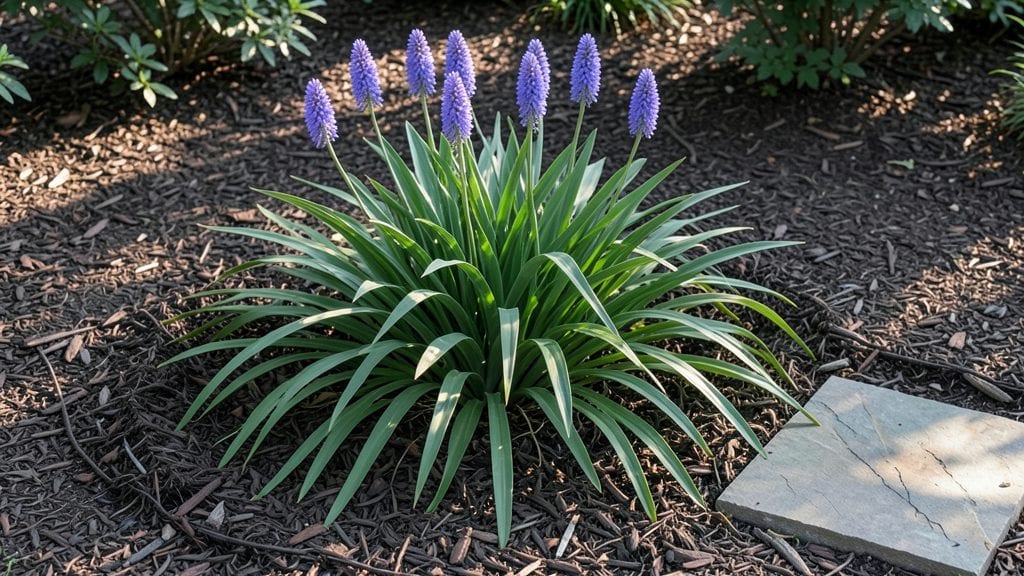
Tennessee gardens burst with possibilities when you design around native perennials that thrive year-round. 🌿 I’ve spent years transforming my East Tennessee yard from a patchy mess into a lush, low-maintenance landscape—all by choosing plants that already love our climate.
The key isn’t fighting nature; it’s working with it, from the humid summers to the crisp winters.
This approach means fewer dead zones in your garden. Native plants like black-eyed Susans, coneflowers, and wild indigo not only survive but flourish with minimal fuss. They attract pollinators, resist local pests, and cut down on watering—once established, they’re basically self-sufficient.
Plus, you’ll save money by skipping expensive imported plants that struggle here.
Imagine a front yard that stays vibrant from spring’s first crocus to winter’s evergreen holly berries. Your garden could become a wildlife haven while requiring less time and effort than traditional landscapes. The best part? Every season offers something new—spring blooms, summer shade, fall color, and winter structure.
Whether you’re going for a cottage garden vibe, a pollinator paradise, or a mix of edibles and ornamentals, Tennessee’s native plants make it possible. Let’s turn your yard into a showstopper that works with Mother Nature, not against her.
📚 In This Guide
- What you need
- Instructions
- Tips and common mistakes
- Wrapping up and next steps
What you need
- ● Native Perennials: 10–20 plants of Echinacea purpurea (Coneflower, drought-tolerant)
- ● 10–15 plants of Asclepias tuberosa (Butterfly Weed, pollinator magnet)
- ● 8–12 plants of Rudbeckia hirta (Black-Eyed Susan, low-maintenance)
- ● 5–10 plants of Monarda fistulosa (Wild Bergamot, attracts hummingbirds)
- ● Soil Amendments: 50 lbs of compost (for nutrient-rich soil)
- ● 10 lbs of organic mulch (e.g., pine straw or shredded bark)
- ● Tools: Garden trowel (for precision planting)
- ● Pruning shears (for shaping and maintenance)
- ● Garden hose with adjustable nozzle (for watering)
- ● Wheelbarrow (for hauling soil/mulch)
- ● Soil pH test kit (to ensure optimal growing conditions)
- ● Drip irrigation system (for water efficiency)
- ● Garden gloves (to protect your hands)
- ● Decorative stones or edging (for a polished look)
- ● Sunlight assessment: Most native perennials thrive in full sun (6+ hours/day).
- ● Well-draining soil: Test your soil’s drainage (Tennessee’s clay soil may need amendments).
- ● Local climate knowledge: Tennessee’s USDA Hardiness Zones 6–8 guide plant selection.
Instructions for designing a Tennessee-friendly perennial garden
Here’s how to craft a resilient, low-maintenance garden that thrives in Tennessee’s climate.
🌱 Step 1: Assess Your Site and Choose Native Perennials
Start by observing your garden’s microclimate—note sun exposure, soil type, and moisture patterns. Tennessee’s diverse zones (from humid East to drier West) demand smart plant selection. Prioritize native perennials like black-eyed Susan, coneflower, and purple coneflower—they’re drought-tolerant, pest-resistant, and support local pollinators. Test soil pH (aim for 6.0-7.0) and amend with compost if needed.
Sketch a rough layout, grouping plants by water needs. For example, place moisture-loving iris near a rain garden, while sedum thrives in dry, sunny spots. Native plants reduce watering by up to 50% once established.
☀️ Step 2: Plan for Seasonal Interest and Layered Planting
Design for year-round appeal by layering plants with staggered bloom times. Start with early spring bloomers like bloodroot or wild ginger, followed by summer stalwarts (e.g., bee balm), and finish with fall/winter structure from switchgrass or sedum. Add evergreen shrubs like inkberry holly for winter texture.
Use height variation for visual depth: place tall grasses (5-7 feet) at the back, mid-height perennials (2-3 feet) in the middle, and low-growing creeping thyme or heuchera at the front. This creates a natural, low-maintenance look.
💧 Step 3: Install Mulch and Drip Irrigation
Apply 3-4 inches of organic mulch (like shredded bark or pine needles) to retain moisture and suppress weeds. In Tennessee’s heat, mulch reduces water loss by 30-40%. Space mulch 2-3 inches away from plant stems to prevent rot.
Install a drip irrigation system for efficiency—set emitters to deliver 1 inch of water per week during dry spells. Run lines along plant rows, not over them, to avoid fungal issues. Test the system before planting to ensure even coverage.
✂️ Step 4: Maintain with Seasonal Pruning and Fertilizing
Prune perennials in early spring (before new growth) or late fall to remove dead foliage. For grasses like little bluestem, cut back in late winter to encourage fresh growth. Avoid heavy pruning in summer—it stresses plants during peak heat.
Fertilize lightly in early spring with a balanced, slow-release fertilizer (10-10-10). Native plants often need less fertilizer than non-natives, so err on the side of caution. Over-fertilizing can lead to weak stems and increased pest problems.
🪴 Step 5: Monitor and Adjust for Long-Term Success
Check plants weekly for pests (like Japanese beetles or aphids) and diseases (e.g., powdery mildew). Tennessee’s humidity fosters fungal issues, so improve airflow by thinning crowded areas. Handpick pests or use neem oil as a preventive spray.
Adjust your design yearly—note which plants thrive and which struggle. Rotate crops or swap out underperformers with better-suited natives. A well-designed Tennessee garden evolves into a self-sustaining ecosystem with minimal effort.
Tips & tricks for perfect Tennessee perennial gardens
Creating a thriving garden in Tennessee’s unique climate takes strategic planning—and these insider tips will help you avoid common pitfalls while maximizing beauty and resilience.
Native Plant Selection: When choosing plants like black-eyed Susan or coneflower in Step 1, focus on those with deep root systems—they’ll establish better in Tennessee’s clay-heavy soils. I’ve found that purple coneflower thrives in both full sun and partial shade, making it a versatile workhorse for any garden bed. Look for local nursery stock rather than big-box varieties, as regional selections will already be adapted to your microclimate.
Layering Strategy: In Step 2, when planning your height layers, remember that Tennessee’s summer heat can stress taller plants. Position your 5-7 foot grasses at the back where they’ll get afternoon shade from taller structures, while keeping heuchera and creeping thyme in sunny front positions. This creates a natural cooling effect that extends the bloom season by 3-4 weeks. I always sketch my layout to scale—it prevents that "too-tall, too-soon" look that ruins visual balance.
Mulch Depth Matters: The 3-4 inches of mulch in Step 3 isn’t just about looks—proper depth creates a thermal blanket that protects roots from Tennessee’s temperature swings. I’ve seen gardens where mulch was only 1-2 inches deep struggle with winter dieback. Use a straightedge to check depth after spreading, and remember to keep it 2-3 inches away from stems to prevent rot. For extra insulation in winter, top with a thin layer of leaves in late fall.
Pruning Precision: When pruning in Step 4, aim to cut back just above the lowest set of healthy leaves—this encourages bushier growth without sacrificing next year’s blooms. For little bluestem, I wait until late winter when new growth is visible but still tender. The key is timing: prune too early and you’ll cut off potential spring blooms; too late and you risk fungal issues from trapped moisture.
Pro Tips for Gardens In Tennessee
- Creating a thriving garden in Tennessee’s unique climate takes strategic planning—and these insider tips will help you avoid common pitfalls while maximizing beauty and resilience.
- Native Plant Selection: When choosing plants like black-eyed Susan or coneflower in Step 1, focus on those with deep root systems—they’ll establish better in Tennessee’s clay-heavy soils.
- Layering Strategy: In Step 2, when planning your height layers, remember that Tennessee’s summer heat can stress taller plants.
Frequently asked questions
Got questions about designing a stunning Tennessee garden with native perennials?
Here are some of the most common ones—and their answers—to help you get started!
What are the best native perennials for Tennessee gardens that thrive year-round?
Tennessee’s climate supports hardy perennials like black-eyed Susan (Rudbeckia hirta), purple coneflower (Echinacea purpurea), and butterfly weed (Asclepias tuberosa). These plants require minimal care, attract pollinators, and handle heat, humidity, and mild winters with ease. Pair them with sedum or heuchera for texture and color variety.
When is the ideal time to plant perennials in Tennessee?
For best results, plant perennials in early spring (March–April) or early fall (September–October). This gives roots time to establish before extreme heat or cold. Avoid planting in summer—high temperatures can stress young plants. Tennessee’s frost-free window (typically late April to early November) is your golden opportunity!
How often should I water newly planted perennials in Tennessee’s heat?
Water newly planted perennials deeply 2–3 times per week for the first month, then taper to once a week (or more in droughts). Use mulch (2–3 inches) to retain moisture and regulate soil temperature. Tennessee’s clay soil drains slowly, so ensure containers or beds have proper drainage to prevent root rot.
Are Tennessee gardens prone to pests? How can I protect my perennials naturally?
Common pests include Japanese beetles, aphids, and deer. Opt for native plants (like milkweed or bee balm) to deter pests naturally. Use neem oil or soapy water sprays for mild infestations. For deer, try physical barriers (like fencing) or repellents with rotten eggs or garlic scents.
Can I mix vegetables with perennials in my Tennessee garden?
Companion planting
works beautifully in Tennessee. Try pairing tomatoes with basil or marigolds to deter pests, while onions near roses can improve their health. Just ensure perennials aren’t overly competitive for space or nutrients. Rotate veggies yearly to maintain soil health.
Wrapping up and next steps
Tennessee’s gardens offer a unique canvas for year-round beauty, especially when embracing native perennials that thrive in the state’s diverse climates. From Echinacea and Coneflower to Black-Eyed Susans, these hardy plants demand little maintenance while delivering vibrant colors and supporting local ecosystems.
Whether you’re a seasoned gardener or just starting, your green space can become a living masterpiece—one season at a time.
Ready to transform your outdoor space? Start small—pick one native perennial to test the waters, or sketch a simple design using the tips above. Before you know it, your Tennessee garden will be buzzing with life, all year long! 🌿✨