
Tools
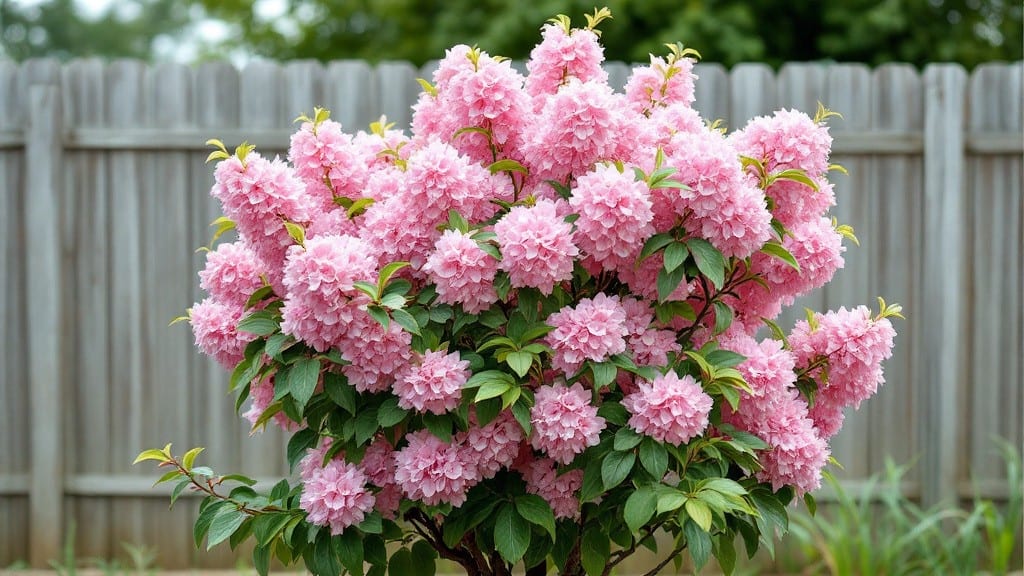
A crepe myrtle garden transforms your yard into a fragrant, sun-drenched retreat that thrives with minimal fuss. 🌿 I learned the hard way—planting one in the wrong spot meant struggling with leggy growth and sparse blooms, but once I got the placement right, it became the star of my landscape.
The secret lies in pairing these drought-tolerant beauties with the right companions and design tricks that keep them looking stunning all year.
Start by choosing a location with at least 6 hours of sunlight daily—crepe myrtles reward full sun with vibrant blooms and compact growth. For privacy, plant them in a staggered row along fences or property lines, spacing them 8-12 feet apart to allow for mature width.
Pair them with low-maintenance perennials like salvia or coneflowers to fill gaps and extend the season with color, while boxwoods or dwarf hydrangeas add texture at their base.
What you’ll love most is how effortlessly they handle heat and drought once established—no more watering worries once roots take hold. The fragrant summer blooms attract hummingbirds, and their peeling bark in winter adds unexpected texture.
Even in small spaces, a single crepe myrtle as a focal point creates instant curb appeal with zero fuss.
For cottage-style gardens, let them mingle with roses and lavender for a romantic vibe, while drought-resistant designs pair them with succulents and ornamental grasses. The key is balancing their bold presence with plants that complement their height and seasonal needs. Ready to create your own fragrant privacy screen?
📚 In This Guide
- What you need
- Instructions
- Tips and common mistakes
- Wrapping up and next steps
What you need
- ● Crepe myrtle plants: 3–5 mature trees (or 10+ young plants for a hedge). Choose varieties like Lagerstroemia indica for best results.
- ● Soil amendments: 50 lbs compost (for nutrient-rich soil)
- ● 20 lbs sand or perlite (to improve drainage)
- ● Planting tools: 1 shovel (for digging)
- ● 1 pruning shears (for shaping)
- ● 1 garden trowel (for transplanting)
- ● Mulch: 2–3 bags of organic mulch (e.g., pine straw or wood chips) to retain moisture.
- ● Watering supplies: 1 hose with adjustable nozzle
- ● 1 watering can (for seedlings)
- ● 1 soil pH tester (crepe myrtles prefer slightly acidic soil, pH 5.5–6.5).
- ● 1 fertilizer (balanced 10-10-10 or slow-release granules).
- ● 1 pruning saw (for thicker branches).
- ● 1 garden stakes (to support young plants).
- ● 1 landscaping fabric (to suppress weeds).
How to design a stunning crepe myrtle privacy garden
Here's my go-to approach for planting and maintaining a fragrant, low-maintenance hedge that thrives year-round.
🌱 Step 1: Choose the Right Varieties and Planting Locations
Crepe myrtles come in a range of heights and colors, so select varieties that match your privacy needs. For a 6-8 foot hedge, I recommend 'Natchez' or 'Arapaho'—both grow quickly and develop dense foliage. Plant in full sun (at least 6-8 hours daily) for best growth and vibrant blooms.
Space plants 8-10 feet apart in rows, allowing room for mature width. Dig holes twice as wide as the root ball but only as deep—planting too deep suffocates roots. Mix the removed soil with 2 cups of compost per hole to enrich the planting site.
☀️ Step 2: Prepare Soil and Plant with Proper Spacing
Crepe myrtles tolerate a variety of soils but thrive best in well-draining, slightly acidic conditions (pH 6.0-7.0). Amend heavy clay with 1 part sand to improve drainage. If your soil is sandy, add 2 cups of peat moss per hole to retain moisture.
Place each plant so the top of the root ball sits level with the ground—never deeper. Backfill with the amended soil, pressing gently to eliminate air pockets. Water deeply to settle the soil around roots, then add 2 inches of mulch (keeping it 6 inches from the trunk) to conserve moisture and suppress weeds.
💧 Step 3: Water Deeply and Establish a Care Routine
Water newly planted crepe myrtles deeply 2-3 times per week for the first month, then taper to once a week once established. The top 2 inches of soil should feel dry before watering—stick your finger in to check. Overwatering causes root rot, while underwatering stresses plants.
Fertilize once in early spring with a balanced 10-10-10 formula (use ½ cup per plant). Avoid high-nitrogen fertilizers—they promote leafy growth at the expense of flowers. Prune late winter or early spring (before buds swell) to remove dead wood and shape the plant, but never "top" crepe myrtles—it weakens them.
✂️ Step 4: Prune for Health and Encourage Full Blooms
Crepe myrtles bloom on new wood, so prune after flowering (late summer) to clean up but avoid heavy cuts. Remove suckers at the base and crossing branches to maintain an open, airy structure. Use clean, sharp pruners to make cuts just above a bud or branch collar.
Watch for powdery mildew (white fungal growth) or aphids (sticky residue on leaves). Treat mildew with neem oil spray and aphids with a strong water spray to dislodge them. Healthy plants rarely need pesticides—focus on proper spacing and airflow to prevent issues.
🌿 Step 5: Maintain Year-Round for Long-Term Privacy
Mulch annually in spring with 2-3 inches of fresh mulch, keeping it 6 inches from the trunk. This protects roots from temperature swings and retains moisture. In winter, lightly prune dead or damaged branches to keep the hedge tidy without disturbing dormant buds.
Crepe myrtles grow 2-3 feet per year—expect your hedge to reach full privacy height in 3-4 years. For faster results, plant two rows 4 feet apart and train them to lean slightly inward. With minimal care, your fragrant, colorful hedge will provide year-round beauty and seclusion.
Tips & tricks for perfect crepe myrtle privacy gardens
Between us, these little tricks will help you avoid the most common mistakes that turn beautiful crepe myrtles into struggling hedges.
The Variety Factor: If you're going for that classic 6-8 foot hedge, stick with 'Natchez' or 'Arapaho'—they're the workhorses of crepe myrtle varieties. Here's what nobody tells you: the color variations don't affect growth or maintenance, so pick based on your yard's existing palette. Pro tip: 'Natchez' has those stunning white blooms that stand out against dark foliage, while 'Arapaho' offers a more compact form if space is tight.
Planting Depth Secret: I learned this the hard way after ruining three batches—never plant deeper than the root ball's top sits level with the ground. The difference between a thriving hedge and one that struggles is often just an inch or two. When you're backfilling, press gently around the roots to eliminate air pockets, but don't compact the soil like you're building a foundation.
Soil Science: That 6.0-7.0 pH range isn't just a suggestion—crepe myrtles are particular about their soil chemistry. If your soil test comes back different, don't panic: you can adjust the pH in the planting hole itself. For alkaline soils, mix in peat moss or sulfur; for acidic soils, add lime. The key is creating that perfect micro-environment right where the roots will grow.
Watering Wisdom: Those first 30 days are critical—watering deeply 2-3 times per week isn't just about keeping plants alive, it's about establishing strong root systems. Real talk: most people overwater because they check the surface soil. Stick your finger 2 inches down—that's where the real action happens. And here's a game-changer: water in the morning so the foliage has time to dry, reducing fungal issues.
Pro Tips for Crepe Myrtle Garden
- Between us, these little tricks will help you avoid the most common mistakes that turn beautiful crepe myrtles into struggling hedges.
- The Variety Factor: If you're going for that classic 6-8 foot hedge, stick with 'Natchez' or 'Arapaho'—they're the workhorses of crepe myrtle varieties.
- Planting Depth Secret: I learned this the hard way after ruining three batches—never plant deeper than the root ball's top sits level with the ground.
Frequently asked questions
Got questions about creating your dream crepe myrtle garden? You’re not alone! Here are answers to the most common queries to help you get started with confidence.
How fast do crepe myrtles grow, and when will I see privacy?
Crepe myrtles grow moderately fast—typically 12 to 24 inches per year—depending on variety and growing conditions. Dwarf varieties (like 'Arapaho') reach 6–8 feet in 3–5 years, while standard types (like 'Natchez') can hit 15–20 feet in 5–7 years. For quick privacy, opt for faster-growing cultivars or plant multiple trees in a staggered row.
What’s the best time of year to plant crepe myrtles for optimal growth?
The ideal planting window is early spring (after the last frost) or fall (4–6 weeks before the first frost). Avoid planting in extreme heat or cold, as young roots struggle to establish. Pro tip: Water deeply after planting and mulch to retain moisture—this gives roots a head start!
Are crepe myrtles prone to pests or diseases, and how do I prevent issues?
While generally low-maintenance, crepe myrtles can attract aphids, scale, or powdery mildew in humid climates. Preventative care includes:
- Pruning for airflow (remove crossing branches).
- Watering at the base (not leaves) to deter mildew.
- Using neem oil or insecticidal soap if pests appear.
Can I use crepe myrtles as a hedge, or do they need space?
Crepe myrtles can form hedges but thrive best with 3–6 feet of spacing (depending on variety). For a formal hedge, prune annually in late winter to encourage bushier growth. If you want a natural, privacy-screen look, plant them 6–10 feet apart and let them grow wild—just remove suckers at the base to keep them tree-like.
Do crepe myrtles tolerate cold winters, and what’s their hardiness zone range?
Most crepe myrtles are hardy in USDA Zones 7–9, but some varieties (like 'Sioux' or 'Zuni') extend to Zone 6 with proper mulching. In colder climates, winter dieback may occur, but new growth emerges in spring. Pro tip: Wrap young trees in burlap or use mulch to insulate roots—it makes a huge difference!
Are there crepe myrtle alternatives for smaller spaces or different climates?
If space or climate is a concern, consider these low-maintenance alternatives:
- Dwarf crepe myrtle ('Arapaho' or 'Tonto'): Compact (6–8 ft), perfect for small yards.
- Japanese lilac (Syringa reticulata): Fragrant, cold-hardy (Zone 4), and drought-tolerant.
- Oakleaf hydrangea: Lush foliage, great for shade (Zones 5–9).
- Forsythia: Early spring blooms, fast-growing (Zones 5–8).
Wrapping up and next steps
Transforming your space into a fragrant, low-maintenance crepe myrtle garden is easier than you think—and the rewards are endless! 🌸 With their vibrant blooms, year-round privacy, and minimal care needs, these trees are a dream for any gardener.
Whether you’re a beginner or a seasoned pro, now’s the perfect time to plant, prune, or simply enjoy the beauty they bring.
Ready to take the next step? Grab your tools, pick your favorite varieties, and start designing your dream garden today! Your future self (and your neighbors) will thank you. 🌿✨