
Advice
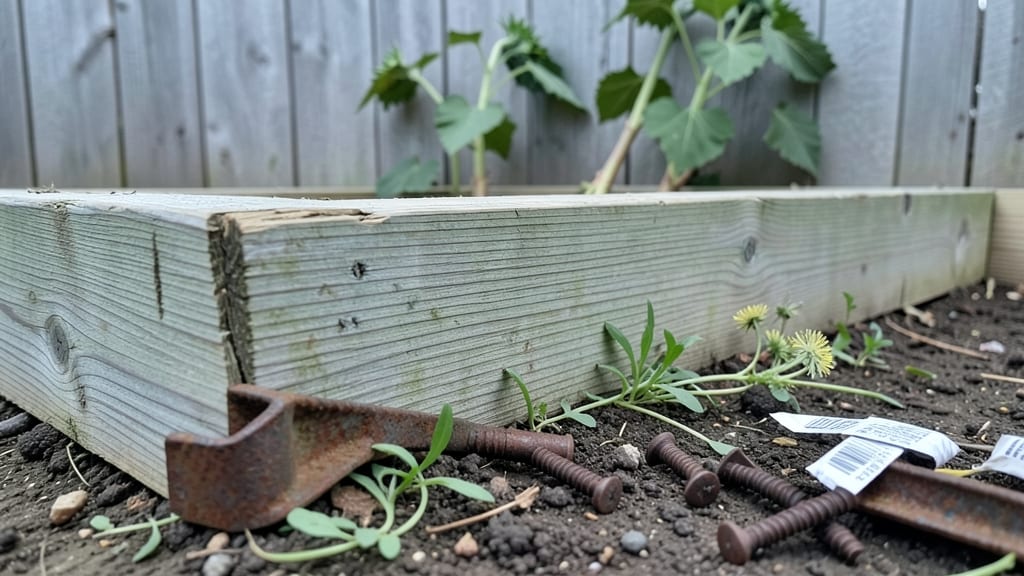
The cost to make a raised garden bed typically ranges from $100 to $600, based on cedar lumber ($3–$8 per board foot), hardware ($10–$30), soil ($10–$50 per cubic yard), and liner options ($5–$20). Pre-assembled kits start around $50, while custom builds with premium materials can climb past $1,000.
The price you pay depends heavily on whether you buy a kit or source materials separately.
For example, cedar lumber costs more upfront but lasts longer than pressure-treated wood, which can leach chemicals over time. 🔥 I've found that planning for soil is often overlooked—amending with compost or peat moss adds $20–$50 per cubic yard but dramatically improves plant growth.
Regional lumber prices also swing wildly, so checking local sawmill deals can cut costs by 20–30%.
If budget is tight, consider repurposing materials like untreated pallets or cinder blocks for the frame, though these may require extra sealing. Smaller beds (4'x8') stay under $200 with basic supplies, while larger or multi-tier designs can easily hit $800+ when factoring in extra lumber and soil depth.
Seasonal sales at home improvement stores often make spring or fall the best times to shop.
💡 In This Article
- Raised Garden Bed Cost Factors by Material Type
- Budget-Friendly DIY Raised Bed Construction Tips
Raised garden bed cost factors by material type
The foundation of your raised bed's cost begins with the frame materials, where cedar and pressure-treated wood represent the most common choices. Cedar costs $3–$8 per board foot due to its natural rot resistance and aromatic qualities, which deter pests and extend its lifespan to 10–15 years without treatment.
In contrast, pressure-treated lumber typically runs $2–$4 per board foot but contains chemical preservatives that may leach over time, potentially affecting soil quality. The key difference lies in durability—cedar maintains structural integrity longer, while pressure-treated wood offers a more budget-friendly short-term solution.
Soil amendments represent another significant cost factor, where compost and peat moss play crucial roles in fertility. A cubic yard of high-quality compost costs $20–$50, while peat moss runs $10–$25 per cubic yard. However, compost improves soil structure and microbial activity, while peat moss enhances moisture retention.
For a 4'x8' bed filled to 12" depth, you'll need about 1.5 cubic yards of amended soil—skipping organic matter can reduce costs but may limit plant growth. Regional availability also matters: peat moss is more expensive in drought-prone areas, while compost prices fluctuate based on local organic waste programs.
Hardware choices like galvanized screws ($0.50–$1.50 each) and corner brackets ($2–$5 per piece) add up quickly for larger beds. A 4'x8' frame requires roughly 40–60 screws and 4 corner brackets, totaling $20–$40 in hardware.
Stainless steel or coated screws prevent rust but cost 20–30% more than basic galvanized options. Pre-built kits often include hardware as part of their $50–$200 price range, while DIY builds let you customize but require careful cost tracking for every component.
Liner alternatives create another cost tier, where landscape fabric ($5–$15 per roll) prevents weed growth but may restrict root penetration, while heavy-duty cardboard ($1–$3 per sheet) offers a biodegradable, budget-friendly option that breaks down over 1–2 years.
For a 4'x8' bed, you'd need 2–3 sheets of cardboard or 1 roll of fabric, adding $5–$20 to your total. The trade-off? Cardboard decomposes but eliminates the need for future liner replacement, while fabric lasts longer but requires more upfront investment.
Regional price variations can dramatically impact your total. For instance, lumber in the Pacific Northwest costs 10–20% more than in the Midwest due to higher transportation costs, while Southern states often see 20–30% lower prices for pressure-treated wood.
Soil amendments also vary—urban areas with limited compost sources may charge $50+ per cubic yard, while rural farms often sell bulk compost for $15–$25. Always check local sawmills, salvage yards, and agricultural co-ops for discounted materials that can cut costs by 30–50%.
What most DIYers overlook is how material combinations affect long-term costs.
A cedar frame with cardboard liners and locally sourced compost might cost $300 upfront but require no replacements for 10+ years, while a pressure-treated frame with synthetic fabric liners could start at $150 but need repairs or replacements every 5–7 years.
The sweet spot often lies in balancing initial investment with maintenance needs—cedar's longevity often justifies its higher price over time.