
Companion Plants
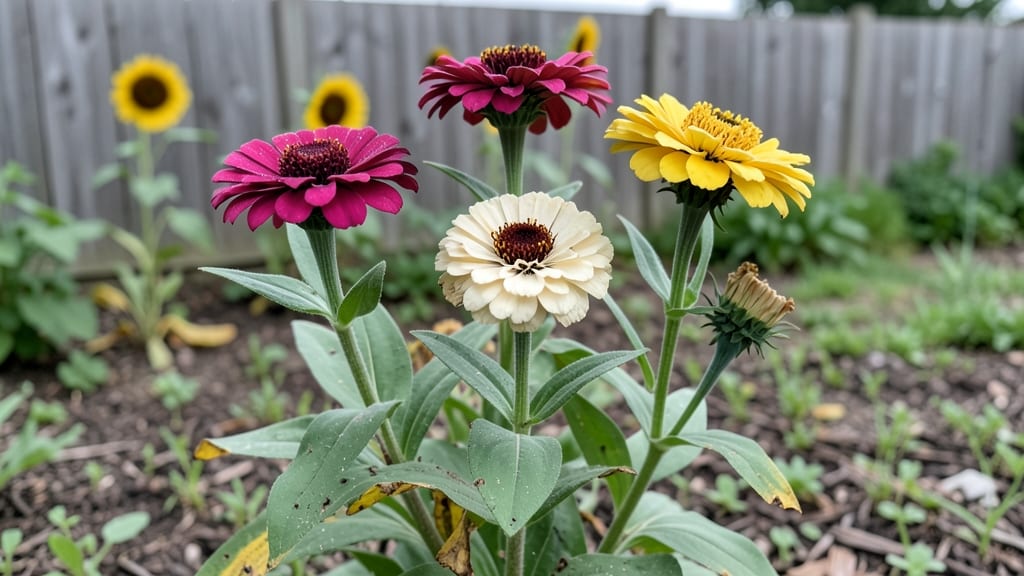
My home garden plants have taught me that the best combinations aren’t just about what grows well—they’re about what thrives together. 🌱 The right pairings can boost flavors, deter pests, and create a self-sustaining ecosystem that works harder than any single plant alone.
I’ve spent years testing which pairings actually deliver, and the results—like basil and tomatoes or marigolds and peppers—speak for themselves.
You don’t need a sprawling backyard to make this work. Even in small spaces, the right companion plants can maximize every inch of soil and sunlight. Think herbs tucked between vegetables, flowers that repel pests, or root crops that improve soil—each plays a role.
The key is matching growth habits, sunlight needs, and water preferences so nothing gets crowded out or neglected.
By the end of summer, you’ll harvest more, healthier produce with less effort. The basil will smell stronger near tomatoes, the marigolds will keep aphids away, and your soil will stay loose and fertile. It’s not just gardening—it’s creating a living, breathing team that works for you, season after season.
Whether you’re starting with a single pot or a full raised bed, these pairings adapt to any space. Let’s get your garden working smarter, not harder—naturally.
📚 In This Guide
- What you need
- Instructions
- Tips and common mistakes
- Wrapping up and next steps
What you need
- ● Companion Plant Seeds or Seedlings: 3–5 tomatoes (e.g., Cherry or Roma varieties)
- ● 2–3 basil plants (Genovese or Purple varieties work well)
- ● 1 marigold (French or African varieties for pest control)
- ● 1 carrot (Danvers or Nantes for space efficiency)
- ● 1 onion or garlic (for natural pest deterrence)
- ● Garden Soil: 5–10 gallons of well-draining potting mix (or compost-amended garden soil)
- ● 1 cup organic compost (for nutrient boost)
- ● Containers or Garden Bed: 5-gallon pots (for tomatoes and basil, 2–3 needed)
- ● Raised bed or in-ground plot (minimum 4’ x 4’ for companion planting)
- ● Watering Supplies: Watering can or hose with gentle spray nozzle
- ○ Drip irrigation kit (optional, for consistent moisture)
- ● Basic Tools: Hand trowel (for planting)
- ● Pruning shears (for trimming)
- ○ Gloves (optional, for comfort)
- ● Mulch (straw or shredded leaves to retain moisture)
- ● Fertilizer (balanced 10-10-10 or organic options like fish emulsion)
- ● Plant markers (to track varieties)
- ● Pest control sprays (neem oil or insecticidal soap, if needed)
- ● Sunlight meter (to check light exposure)
Instructions for designing a year-round companion planting scheme
Here’s how to pair plants that support each other’s growth, deter pests, and maximize your garden’s productivity.
🌱 Step 1: Group Plants by Seasonal Overlap and Needs
Start by mapping out your garden’s microclimates—areas with different sun exposure, wind protection, or soil moisture. For example, pair cool-season crops like kale and carrots with warm-season companions like basil and tomatoes. The kale will thrive in early spring while the basil repels pests, and by summer, the tomatoes provide shade for the kale’s roots.
Use the square-foot gardening method to visualize spacing: place fast-growing plants like radishes near slower ones like cabbage. Radishes mature in 30 days, giving them time to break up soil before cabbage needs the space. This prevents competition for nutrients and reduces weeds.
🌿 Step 2: Pair for Pest Control and Soil Health
Select plants that naturally repel pests for each other. For instance, marigolds (with their 1-2 inch deep roots) deter nematodes and aphids, making them ideal near tomatoes or peppers. Plant them in a 1:4 ratio—one marigold for every four vegetables—to maintain aesthetic balance while maximizing protection.
Incorporate nitrogen-fixing plants like clover or beans to enrich the soil. These plants release nutrients as they decompose, feeding heavy feeders like corn or squash. Interplant them in rows or as borders to ensure their benefits spread evenly across the garden.
☀️ Step 3: Adjust for Sunlight and Shade Tolerance
Group full-sun lovers (like zucchini or peppers) together in the garden’s sunniest spot, ensuring they each get 6+ hours of direct light daily. Meanwhile, place partial-shade plants like lettuce or spinach near taller companions that provide natural shade, such as pole beans or sunflowers. This mimics a forest understory, reducing water loss and heat stress.
Watch for leaf scorch or wilting—signs a plant isn’t getting the right light. If leaves turn yellow or crisp at the edges, move the plant closer to shade or add a lightweight shade cloth (30-50% coverage) during peak afternoon sun.
💧 Step 4: Coordinate Watering Needs
Cluster plants with similar moisture requirements to simplify irrigation. For example, herbs like thyme and rosemary thrive in well-draining soil and need watering only when the top 1-2 inches feel dry. Group them near lavender or sage, which share the same drought tolerance. In contrast, leafy greens like kale or spinach prefer consistently moist soil, so place them near broccoli or cabbage in a separate watering zone.
Use drip irrigation or soaker hoses to deliver water directly to the root zone. This prevents runoff and ensures even moisture distribution, especially critical in mixed plantings where some varieties may wilt while others thrive in the same conditions.
⏰ Step 5: Plan for Succession and Year-Round Harvests
Designate early, mid, and late-season planting areas to stagger harvests. For example, sow radishes (ready in 25 days) in early spring, followed by bush beans (ready in 50-60 days), and then fall kale (harvestable until frost). This keeps your garden productive without gaps and ensures you’re always harvesting something fresh.
Rotate crops annually to prevent soil depletion and disease buildup. Keep a simple garden journal to track where each plant grew, noting any pests or diseases. Over time, you’ll refine your pairings for the most harmonious—and bountiful—garden.
Tips & tricks for perfect year-round companion planting
These strategic pairings can transform your garden from seasonal to year-round productivity—here’s how to maximize every inch.
Microclimate Mastery: Pay attention to how sunlight shifts throughout the day. In Step 1, when pairing cool-season crops like kale with warm-season companions, consider their morning versus afternoon sun needs. East-facing beds get intense morning sun—ideal for leafy greens that prefer cooler conditions—while west-facing beds bake in afternoon heat, perfect for sun-loving tomatoes. I always sketch my garden layout with a sun path diagram to visualize these shifts before planting.
Pest Defense Strategy: The 1:4 marigold-to-vegetable ratio in Step 2 isn't just about aesthetics—it's about creating a pest-deterrent network. For maximum effectiveness, plant marigolds in a checkerboard pattern rather than clumps. This creates a continuous barrier that confuses pests trying to locate their target plants. I've found that adding a second row of marigolds around the garden's perimeter acts as a sacrificial shield, protecting your entire planting scheme.
Succession Planning Secret: When staggering harvests in Step 5, think beyond just timing—consider vertical space too. After harvesting your 25-day radishes, use their empty spots to plant bush beans (50-60 days) that will climb trellises, freeing up ground space for fall kale. This multi-layered approach keeps your garden productive without sacrificing yield. I've doubled my harvest by implementing this vertical succession technique in my own garden.
Watering Zone Hack: For the moisture-sensitive groupings in Step 4, create physical barriers like straw mulch or edging stones to define your watering zones. This prevents overspray from your drip irrigation system from mixing soil moisture requirements. I use landscape fabric under my mulch to create a natural moisture barrier that keeps drought-tolerant herbs separate from moisture-loving greens while still allowing water penetration.
Pro Tips for Home Garden Plants
- These strategic pairings can transform your garden from seasonal to year-round productivity—here’s how to maximize every inch.
- Microclimate Mastery: Pay attention to how sunlight shifts throughout the day.
- Pest Defense Strategy: The 1:4 marigold-to-vegetable ratio in Step 2 isn't just about aesthetics—it's about creating a pest-deterrent network.
Frequently asked questions
about home garden plants and companion pairings—here’s what you need to know!What are the easiest companion plants to start with for beginners?
For new gardeners, try basil and tomatoes (they love each other!) or marigolds and peppers—both deter pests naturally. Start with these low-maintenance pairs to build confidence. Check our guide for step-by-step planting tips!
How long does it take for companion plants to show benefits?
Some benefits, like pest deterrence (e.g., nasturtiums with cucumbers), appear within weeks. Others, like improved soil health (e.g., clover with carrots), take 1-2 seasons. Monitor growth and adjust spacing as needed!
Can I use companion plants in containers or small spaces?
Pair dwarf basil with cherry tomatoes or thyme with strawberries in pots. Just ensure containers are at least 12 inches deep and use well-draining soil. Container gardening tips can help maximize space!
What do I do if pests still attack despite companion plants?
Companion plants reduce pests but don’t eliminate them. Try neem oil sprays or introduce ladybugs for natural control. Rotate plant families yearly to break pest cycles.
Do companion plants work in all climates?
Most companion pairings thrive in USDA Zones 5-9, but some (like mint with cabbage) adapt to cooler climates. Research local hardiness zones and adjust pairings for heat or cold snaps!
Still curious? Drop your questions below—we’re happy to help!
Wrapping up and next steps
Transforming your home garden into a thriving ecosystem is easier than you think—just by pairing the right plants together! 🌱 From pest control to flavor enhancement, companion planting unlocks nature’s best-kept secrets.
Whether you’re a seasoned gardener or just starting, these pairings will help you grow healthier, happier plants with less effort.
Ready to take the next step? Start small—pick one or two pairings to experiment with this season, and watch your garden flourish! 🌿 For even more inspiration, explore seasonal planting guides or join local gardening groups to share your progress. Happy growing!