
Tools
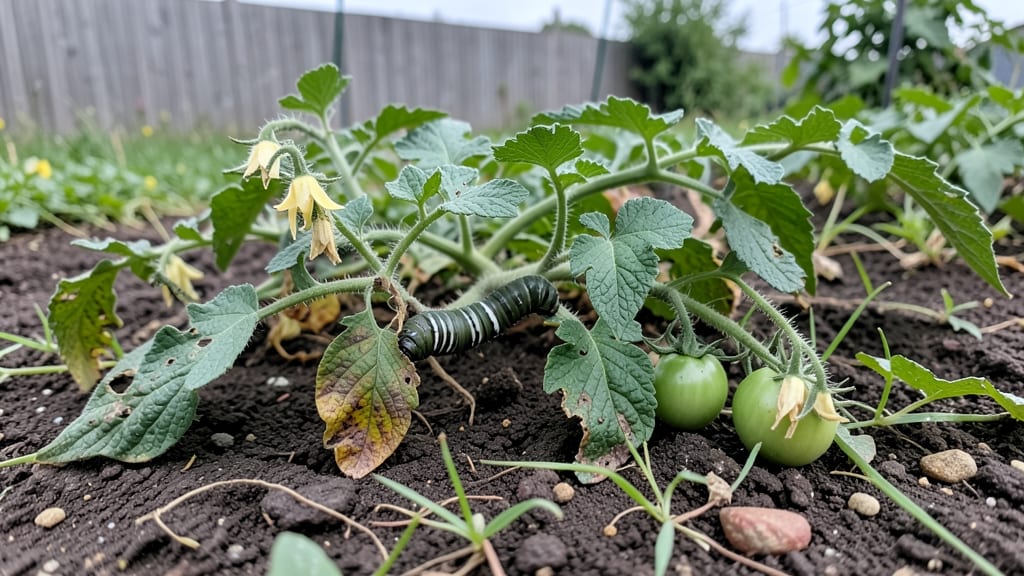
Garden tomato problems can turn your prize-winning plants into a sad, shriveled mess—but I’ve fixed every single one of these issues in my own garden. 🌱 The key is knowing what’s wrong fast so you don’t lose your whole harvest.
Last summer, my cherry tomatoes turned yellow overnight, and within 24 hours of spotting the issue (too much water + fungal spores), I had them thriving again with just a few simple tweaks.
Most tomato troubles boil down to three culprits: pests, diseases, or environmental stress. Aphids, hornworms, and blight might sound scary, but they all have quick fixes—like a blast of water for aphids or pruning away infected leaves before it spreads.
The worst part? Many problems start small but explode if ignored. That’s why I break each issue into two-minute checks you can do while watering or weeding.
By the end, you’ll spot wilting, spots, or pests before they ruin your plants. My 10-minute diagnostic checklist cuts guesswork—just look at the leaves, stems, and soil, and match the symptoms to the solution.
No more panicking when your tomatoes start looking sickly, and no more wasting weeks on trial-and-error fixes.
Works for backyard gardens, containers, or even balcony setups—no fancy tools required. Let’s get those tomatoes back to producing juicy, vine-ripened fruit in no time.
Root Causes Of Garden Tomato Struggles
Garden tomatoes are finicky little powerhouses—when they thrive, they burst with flavor, but when they falter, it’s often due to a mix of environmental, biological, or human factors. Understanding why these problems occur is the first step to saving your harvest.
Below, we break down the most common culprits, from soil chemistry to pest behavior, with the science behind the chaos.
Tomatoes are heavy feeders, and when their soil needs aren’t met, problems like blossom end rot, yellowing leaves, or stunted growth follow. Here’s what’s really going wrong:
- Calcium Deficiency (Blossom End Rot)
This classic issue isn’t just about not enough calcium—it’s about poor calcium availability. Even if your soil has calcium, uneven moisture (like drought followed by heavy watering) or compacted soil prevents roots from absorbing it.
Calcium moves passively through the plant, meaning it only travels where water goes. When fruit expands rapidly but water supply fluctuates, the youngest part (the blossom end) cracks and rots.
- Nitrogen Overload (Lush Leaves, Few Tomatoes)
Too much nitrogen (common in fresh manure or over-fertilizing) sends tomatoes into leaf production overdrive. The plant prioritizes foliage over fruit because leaves are its energy factories. Without enough phosphorus (the "fruit factory" nutrient) or potassium (the "stress manager"), flowers drop off or tomatoes stay small and bland.
- pH Gone Wrong (Micronutrient Lockout)
Tomatoes prefer a soil pH of 6.0–6.8. Outside this range, essential nutrients like iron, manganese, and zinc become unavailable even if they’re present. For example, chlorosis (yellow leaves with green veins) often signals iron deficiency—but only if the soil is too alkaline (pH >7.0).
The plant can’t access iron because it’s bound up in insoluble forms.
Tomatoes are 95% water by weight, and their delicate balance is easily disrupted. These issues stem from how (or how much) you water:
- Inconsistent Moisture (Fruit Cracking or Splitting)
Tomatoes absorb water through their roots, but their skin is semi-permeable. When soil moisture swings wildly (e.g., dry spell → sudden rain), the fruit swells faster than its skin can adjust, leading to radial cracks.
Overhead watering worsens this by creating uneven absorption—water pools in one spot, causing localized pressure.
- Overhead Irrigation (Disease Magnet)
Splashing water onto leaves spreads fungal spores (like early blight or septoria leaf spot) like a game of tomato-sized pinball. These pathogens thrive in wet foliage, especially in warm, humid conditions. The stomata (tiny leaf pores) stay open longer when leaves are damp, giving fungi a direct entry point.
- Heat Stress (Sun Scald or Catfacing)
Tomatoes exposed to >90°F (32°C) for prolonged periods suffer from sun scald (white/yellow patches on fruit) or catfacing (deformed blossom ends). High temperatures disrupt pollen viability, leading to poor fruit set.
Additionally, heat accelerates transpiration (water loss), causing the plant to wilt even if soil is moist—a phenomenon called physiological drought.
Pests and pathogens don’t just attack tomatoes—they exploit weaknesses caused by other issues (like poor air circulation or nutrient deficits). Here’s the real damage:
- Fungal Infections (Early Blight, Late Blight)
Fungi like Alternaria solani (early blight) and Phytophthora infestans (late blight) thrive in cool, wet conditions. They produce spores that hitchhike on wind or water, landing on leaves and creating lesions.
These spots block sunlight and clog stomata, reducing photosynthesis and nutrient uptake. Late blight, in particular, can kill a plant in days—it’s the same pathogen that caused the Irish Potato Famine.
- Insect Feeding (Aphids, Hornworms, Spider Mites)
Aphids inject toxic saliva while feeding, causing leaves to curl and stunt growth. Hornworms (those green caterpillars) devour leaves overnight, but their real damage is chewing through stems, which severs the plant’s vascular system.
Spider mites, meanwhile, thrive in dry heat and pierce cells to suck out sap, leaving behind stippled, yellowed leaves—a sign the plant is struggling to photosynthesize.
- Viral Infections (Transmitted by Insects)
Viruses like Tomato Mosaic Virus or Cucumber Mosaic Virus are spread by aphids or beetles. Once inside the plant, they hijack cellular machinery to replicate, causing mosaic patterns, stunted growth, and deformed fruit. There’s no cure—only prevention via resistant varieties and early pest control.
Sometimes, the problem isn’t biological—it’s mechanical. These issues stem from how tomatoes grow and are supported:
- Poor Air Circulation (Fungal Hotspots)
Tomato plants packed too closely or with dense foliage trap moisture and heat. This creates the perfect microclimate for fungi and bacteria. Poor airflow also delays drying between waterings, keeping leaves wet longer—ideal for Botrytis gray mold.
- Improper Pruning (Weak Structure)
Over-pruning removes too many leaves, reducing the plant’s ability to photosynthesize. This leads to weak stems that can’t support heavy fruit, causing splitting or stem breakage. Conversely, under-pruning leads to shady lower branches, where humidity builds and diseases fester.
- Container Stress (Root Bound or Overcrowding)
Tomatoes in pots outgrow their space quickly. When roots circle the container (root binding), they compete for nutrients and water, stunting growth. Overcrowded plants also steal resources from each other, leading to small, underdeveloped fruit.
Fixing Common Tomato Troubles
Now that you’ve identified the issue plaguing your garden tomatoes, let’s roll up our sleeves and get those plants back on track! Whether it’s pests, diseases, or environmental stressors, these solutions are practical, easy to follow, and designed to save your harvest.
Prevention tips are included to keep future problems at bay.
Fix It: Blossom end rot is a classic sign of calcium deficiency, often triggered by inconsistent watering or poor soil health. Here’s how to revive affected tomatoes and prevent future outbreaks:
- 💧 Water Consistently Keep the soil evenly moist—never let it dry out completely or become waterlogged. Aim for 1–1.5 inches of water per week, adjusting for rain.
- 🧂 Boost Calcium Levels - Quick Fix: Spray a calcium nitrate solution (1 tbsp per gallon of water) on leaves and soil every 2 weeks. - Long-Term Fix: Mix crushed eggshells, oyster shell lime, or gypsum into the soil around plants.
Eggshells take 2–3 months to break down, so start early!
- 🌱 Improve Soil Health Amend your soil with compost or well-rotted manure to enhance nutrient uptake. Avoid high-nitrogen fertilizers, which worsen calcium absorption.
💡 Prevention Tip: Mulch heavily with straw or grass clippings to stabilize soil moisture and temperature.
Fix It: From aphids to hornworms, pests can decimate your tomato plants overnight. Act fast with these targeted solutions:
- 🔥 Handpick Large Pests
- 👨🍳 Hornworms & Beetles: Pick them off early in the morning when they’re sluggish. Drop them in soapy water.
- 🐞 Japanese Beetles: Shake them into a bucket of soapy water during peak feeding hours (10 AM–4 PM).
- 🍳 Organic Sprays for Small Pests
- 🍅 Aphids/Whiteflies: Spray with neem oil (1 tsp per quart of water + a drop of dish soap) every 5–7 days.
- 🐛 Spider Mites: Blast off mites with a strong stream of water, then apply horticultural oil at dusk.
- 🌿 Encourage Natural Predators Plant basil, marigolds, or dill nearby to attract ladybugs, lacewings, and parasitic wasps—your free pest-control army!
💡 Prevention Tip: Use row covers for early-season planting to block pests before they arrive. Remove fallen leaves and fruit to eliminate hiding spots.
Fix It: Early blight, late blight, and powdery mildew thrive in damp conditions. Act quickly to stop the spread and protect your plants:
- ⏰ Prune for Airflow Remove lower leaves touching the soil and crowded branches to improve airflow. This reduces humidity where fungi love to grow.
- 🔪 Copper Fungicide Spray Apply a copper-based fungicide (like Bordeaux mix) every 7–10 days once you spot the first signs. Follow label instructions carefully.
- 🌡️ Adjust Watering Habits
- 🚫 Avoid overhead watering—use drip irrigation or soaker hoses to keep foliage dry.
- 🌅 Water in the morning so leaves dry quickly, discouraging fungal spores.
💡 Prevention Tip: Plant resistant varieties like ‘Mountain Merit’ (blight-resistant) or ‘Defiant PhR’ (late blight-resistant). Rotate crops yearly to prevent soil-borne diseases.
Fix It: Yellowing leaves often signal nutrient imbalances. Diagnose the issue and correct it before it’s too late:
| Symptom | Likely Cause | Solution |
|---|---|---|
| Yellow lower leaves | Nitrogen deficiency | Side-dress with compost or blood meal (1 tbsp per plant). |
| Yellow edges (purple stems) | Phosphorus deficiency | Apply bone meal (1 tbsp per plant) or use a balanced 10-10-10 fertilizer. |
| Yellow between veins | Magnesium deficiency | Spray with Epsom salt solution (1 tbsp per gallon of water) every 2 weeks. |
| Overall pale leaves | Iron deficiency (chlorosis) | Treat with chelated iron or amend soil with sulfur for acidic lovers. |
💡 Prevention Tip: Test your soil every 2–3 years and amend based on results. Avoid over-fertilizing—tomatoes prefer a low-nitrogen, high-potassium diet as they fruit.
Fix It: Extreme heat can cause tomatoes to wilting, cracking, or developing sunscald. Here’s how to cool them down:
- 🌳 Provide Shade Cloth Install 30–50% shade cloth during peak afternoon sun (especially in zones 8+). Secure it 3–4 feet above plants to allow airflow.
- 💦 Mulch & Water Deeply
- 🌿 Mulch with straw or wood chips to keep roots cool.
- 💧 Water deeply 2–3 times per week (early morning or late evening) to encourage strong root growth.
- 🍅 Adjust Harvest Timing
- 🔥 Sunscald? Pick tomatoes before they fully ripen and let them finish on a counter.
- 🌡️ Heat Stress? Choose heat-tolerant varieties like ‘Heatmaster’ or ‘Solar Fire’.
💡 Prevention Tip: Use black plastic mulch to absorb heat and warm the soil faster in cooler climates—but remove it if temps exceed 95°F (35°C).
✨ Pro Tip for All Issues: Keep a gardening journal to track what works (and what doesn’t). Note weather patterns, watering schedules, and treatments—it’ll help you troubleshoot faster next season!
Frequently asked questions
Why are my garden tomatoes turning yellow?
Yellowing leaves usually mean nutrient deficiencies or overwatering. Check the pattern: lower leaves yellowing signals nitrogen deficiency (add compost), while yellow between veins indicates magnesium deficiency (try Epsom salt spray). Overwatering or poor drainage can also cause yellowing from root stress.
How do I prevent blossom end rot in my tomato plants?
Blossom end rot occurs from calcium deficiency caused by uneven watering. Keep soil consistently moist (1-1.5 inches per week), add crushed eggshells or gypsum to the soil, and avoid high-nitrogen fertilizers. Mulching helps maintain steady moisture levels.
What should I do if my tomato plants get fungal diseases like blight?
Act fast! Prune infected leaves immediately, use copper fungicide every 7-10 days, and switch to drip irrigation to keep foliage dry. Remove all plant debris at season's end to prevent reinfection. Plant resistant varieties like 'Mountain Merit' for next season.
Are there natural ways to control tomato pests like hornworms?
Yes! Handpick hornworms in the morning when they're sluggish, or spray with neem oil (1 tsp per quart of water). Plant basil nearby to attract parasitic wasps that prey on tomato pests. For Japanese beetles, shake them into soapy water during peak feeding hours.
Can I still eat tomatoes with cracks or sunburn?
Yes, cracked or sunburned tomatoes are still safe to eat. The cracks happen from uneven water absorption, while sunburn appears as white/yellow patches. Simply pick them when they're 75% ripe and let them finish ripening indoors for best flavor.