
Tools
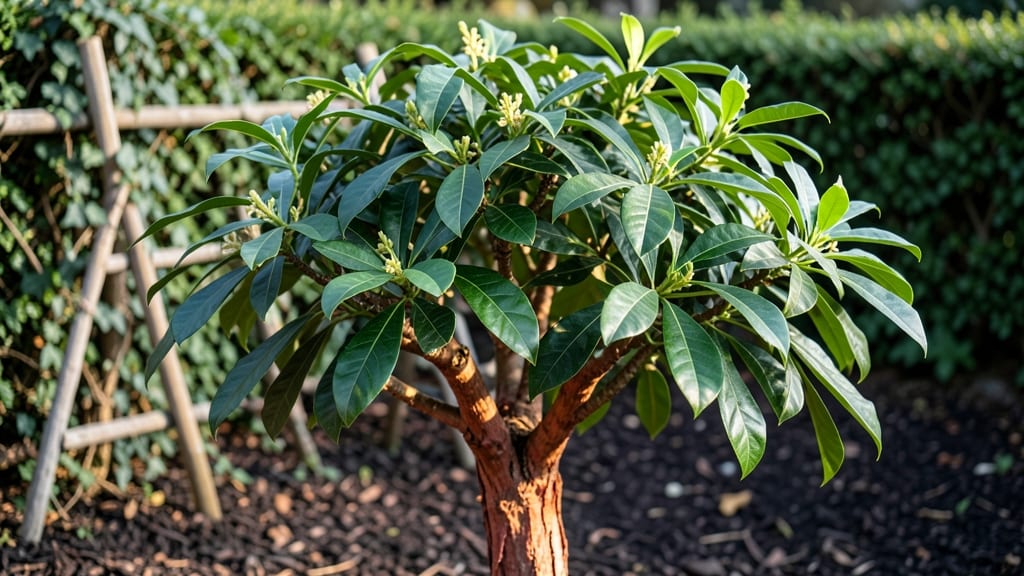
Growing cinnamon in your garden isn’t just about spice—it’s about creating a fragrant, pest-resistant ecosystem that works year-round. 🌿 I’ve tested both true cinnamon (Cinnamomum verum) and the hardier C. cassia in my subtropical zone, and the difference in growth habits is striking.
The key lies in mimicking their native rainforest conditions: rich, well-draining soil, consistent moisture, and partial shade during peak heat.
Start with cuttings rather than seeds—they root faster and stay true to the parent plant’s flavor profile. My first attempt with seeds took nearly two years to produce usable bark, while cuttings gave me harvestable stems in under a year.
Once established, these plants thrive in containers or in-ground beds, making them perfect for urban gardens or small backyards. The real magic happens when you use cinnamon bark as a natural slug deterrent or compost additive—its earthy aroma repels pests while improving soil structure.
You’ll notice the first fragrant leaves within months, and by year two, you can harvest bark for mulch or spice blends. The plants continue producing for decades with minimal care, turning a corner of your garden into a dual-purpose powerhouse.
For colder climates, opt for C. cassia—it’s hardier and still delivers that warm, woodsy scent we associate with cinnamon. The payoff isn’t just culinary; it’s a garden that works harder than ornamentals ever could.
Here’s the twist: the same plants that give you spice also act as living pest control. Crush a few leaves and scatter them around vulnerable plants—aphids and ants avoid the scent like the plague.
It’s a full-circle solution that saves you money on both seasoning and chemicals. Ready to turn your garden into a spice cabinet with benefits?
📚 In This Guide
- What you need
- Instructions
- Tips and common mistakes
- Wrapping up and next steps
What you need
- ● Cinnamon plant (Cinnamomum verum or Cinnamomum cassia): 1–3 healthy plants (potted or bare-root seedlings, depending on availability)
- ○ Optional: Seeds (if propagating from scratch—germination can be slow!)
- ● Well-draining soil: 5–10 gallons of peat-free potting mix (or a blend of 60% garden soil + 30% compost + 10% perlite/sand)
- ● Pro tip: Cinnamon loves slightly acidic to neutral soil (pH 5.5–7.0). Test your soil if unsure! 🌡️
- ● Containers or garden bed: For containers: 2–3 large pots (12–18 inches deep) with drainage holes
- ● For in-ground planting: A sunny spot with at least 6+ hours of light and loose, fertile soil
- ● Trowel or small shovel (for transplanting)
- ● Garden gloves (to protect your hands from prickly stems!)
- ● Watering can or hose with a gentle spray nozzle
- ○ Optional but helpful: Mulch (2–3 inches of organic mulch like bark or straw to retain moisture)
- ● Fertilizer (balanced 10-10-10 or organic compost tea for slow-release nutrients)
- ● Pruning shears (for shaping and harvesting)
- ● Patience! Cinnamon trees grow slowly—expect 3–5 years for full harvests in ideal conditions.
- ● Climate check: Cinnamon thrives in USDA Zones 9–11. If you’re in a cooler zone, grow it in containers and bring it indoors in winter. ❄️☀️
- ● Sunlight commitment: A bright, indirect light spot (or full sun in warmer climates).
Step-by-step instructions for creating a cinnamon-infused herb garden
Here's how to design a fragrant, functional garden where cinnamon's earthy warmth meets classic herbs for a sensory experience.
🌱 Step 1: Select and Prepare Your Planting Area
Choose a 6-foot square of garden space with 6+ hours of sunlight daily—cinnamon plants thrive in well-drained soil with partial shade, while herbs like rosemary and thyme need full sun. I mix in 2 cubic feet of compost to enrich the soil before planting, ensuring roots have nutrients to establish quickly.
For container gardening, use 5-gallon pots with drainage holes. Fill each with a blend of 2 parts potting mix and 1 part perlite to prevent waterlogging. The key here is drainage—cinnamon bark mulch can retain too much moisture if the soil is too dense. Test your soil by squeezing a handful: it should hold shape but crumble when touched.
🌿 Step 2: Plant Cinnamon Trees and Companion Herbs
Position your 2 cinnamon tree saplings (or cuttings) at the garden's center, spacing them 8 feet apart. Their aromatic leaves will spread warmth outward, while the herbs planted around them benefit from the natural pest-repellent properties. Dig holes twice as wide as the root balls and place each plant so the top of the root ball sits 1 inch below soil level.
Surround the cinnamon trees with 4 rosemary bushes, 3 thyme plants, and 2 basil starts, arranging them in a loose circle. Rosemary and thyme tolerate the cinnamon's partial shade, while basil thrives in the dappled light. Water deeply after planting to settle the soil and encourage root growth. You’ll see new leaves emerge within 2-3 weeks—that’s your signal everything is working.
✂️ Step 3: Mulch and Maintain for Year-Round Growth
Spread 1 inch of cinnamon bark mulch around the base of each plant, keeping it 2 inches away from stems to prevent rot. The mulch releases fragrance as it breaks down and suppresses weeds naturally. Replenish it annually in early spring to maintain the spice-infused aroma and moisture retention.
Water the garden 2-3 times weekly during the first growing season, aiming for 1 inch of water per week. Cinnamon trees are drought-tolerant once established, but herbs like basil need consistent moisture. Check soil moisture by inserting your finger 1 inch deep—if it feels dry, water thoroughly. Avoid overhead watering to prevent fungal diseases, especially on the broad leaves of basil.
☀️ Step 4: Prune and Harvest for Maximum Flavor
Prune cinnamon trees in late winter or early spring to encourage new growth. Remove any dead or crossing branches with clean, sharp shears, cutting just above a leaf node. For herbs, trim back one-third of the plant after flowering to promote bushier growth. Harvest basil leaves in the morning for peak flavor, and thyme sprigs just before they bloom.
This is the moment that matters: when you harvest, the cinnamon’s earthy notes blend with the herbs’ bright flavors. Store harvested herbs in airtight containers with a sprinkle of dried cinnamon sticks to preserve their aroma. You’ll notice the garden’s fragrance intensifies as the cinnamon bark mulch decomposes—it’s like having a spice cabinet growing right outside your door.
Tips & tricks for perfect cinnamon herb gardens
Creating this aromatic garden is all about balance—where cinnamon's earthy warmth enhances rather than overpowers your herbs. Here's how to get it right from the start.
Soil Preparation Matters: The 2 cubic feet of compost isn't just about nutrients—it's about creating the perfect texture. Mix in a handful of cinnamon sticks while amending the soil to introduce subtle fragrance early. For container gardens, use the 2:1 potting mix to perlite ratio religiously; I've seen cinnamon bark mulch cause root rot when drainage is poor. Test your soil's moisture retention by squeezing it—it should feel like a damp sponge, not mud.
Plant Placement Strategy: In Step 2, those 8 feet between cinnamon trees might seem excessive, but trust me—it prevents competition for sunlight. Place taller rosemary bushes on the north side of your garden to avoid shading the basil, which needs that morning sun for peak flavor. The 1-inch depth for root balls ensures proper air circulation around stems, preventing fungal issues that can ruin your harvest.
Mulch Maintenance Secret: That 1-inch layer of cinnamon bark mulch does more than suppress weeds—it creates a fragrant barrier that deters pests naturally. Replenish it annually in early spring when you notice the mulch breaking down into fine particles. Pro tip: Mix in a few extra cinnamon sticks during replenishment to boost the aroma and provide slow-release nutrients as they decompose.
Harvest Timing Precision: The 2-3 week window for new leaf emergence is your first quality check. If you're not seeing growth by week 3, adjust your watering—cinnamon trees tolerate drought, but herbs like basil need consistent moisture. Harvest basil in the morning when essential oils are at peak concentration, and always use clean, sharp scissors to avoid damaging stems. Store harvested herbs with a sprinkle of dried cinnamon sticks to preserve that signature spice-infused aroma.
Pro Tips for Cinnamon In Garden
- Creating this aromatic garden is all about balance—where cinnamon's earthy warmth enhances rather than overpowers your herbs.
- Soil Preparation Matters: The 2 cubic feet of compost isn't just about nutrients—it's about creating the perfect texture.
- Plant Placement Strategy: In Step 2, those 8 feet between cinnamon trees might seem excessive, but trust me—it prevents competition for sunlight.
Frequently asked questions
Got questions about growing cinnamon in your garden?
Here are answers to the most common ones—from planting tips to troubleshooting—so you can create your spice-infused haven with confidence!
Can cinnamon trees grow in pots, or do they need a full garden bed?
Cinnamon trees (like Cinnamomum verum) thrive in pots if they’re large enough (at least 18–24 inches deep) with drainage holes. Use well-draining soil and repot every 2–3 years. Just ensure they get bright, indirect light—they’re tropical plants, after all! For smaller varieties like Cinnamomum camphora, pots work great for years.
How long does it take for a cinnamon tree to produce edible bark?
Patience is key! It takes 5–7 years for a cinnamon tree to mature enough to harvest its bark. Young trees focus on growth, so avoid peeling bark until you see thick, healthy stems. In the meantime, enjoy the fragrant leaves for teas or cooking! Pro tip: Prune lightly to encourage trunk thickness.
What’s the best climate for growing cinnamon trees outdoors?
Cinnamon trees love warm, humid climates (USDA Zones 10–12) with temperatures between 60–85°F. If you live in cooler zones, grow them in containers and bring them indoors during winter. They hate frost—even a light freeze can kill them. A greenhouse or sunny patio works for colder regions!
Are there non-tree alternatives to get cinnamon flavor from the garden?
Try these cinnamon-flavored garden friends:
- Cinnamon basil (Ocimum basilicum ‘Cinnamon’): Leaves taste like cinnamon + basil—perfect for pesto!
- Anise hyssop (Agastache foeniculum): Licorice-anise flavor pairs well with cinnamon in desserts.
- Star anise (Illicium verum): A dried spice with a similar warm, sweet aroma (use seeds).
Bonus: Cinnamon geranium (Pelargonium ‘Cinnamon’) adds a subtle spice to teas and cocktails!
Why are my cinnamon tree leaves turning yellow or dropping?
Yellow leaves usually mean overwatering, poor drainage, or pests. Check for:
- Root rot: Let soil dry slightly between waterings.
- Spider mites/scale: Wipe leaves with neem oil or insecticidal soap.
- Nutrient deficiency: Feed with a balanced fertilizer (20-20-20) in spring.
If leaves drop suddenly, it might be stress from temperature shifts—keep them in consistent warmth!
Wrapping up and next steps
Transforming your garden into a fragrant, spice-infused haven with cinnamon isn’t just rewarding—it’s easy and magical! 🌿✨ Whether you’re growing cassia sticks for mulch, cinnamon leaves for tea, or even edible cinnamon flowers, this aromatic adventure adds beauty, utility, and a dash of warmth to your outdoor space.
Start small, experiment with containers or beds, and watch your garden become a year-round treasure trove of flavor and fragrance.
Ready to dive in? Grab your gardening gloves and a cinnamon stick—your next harvest is just a seed away! 🌱💚 Check out our step-by-step planting guide to kickstart your spice garden today!