
Diseases
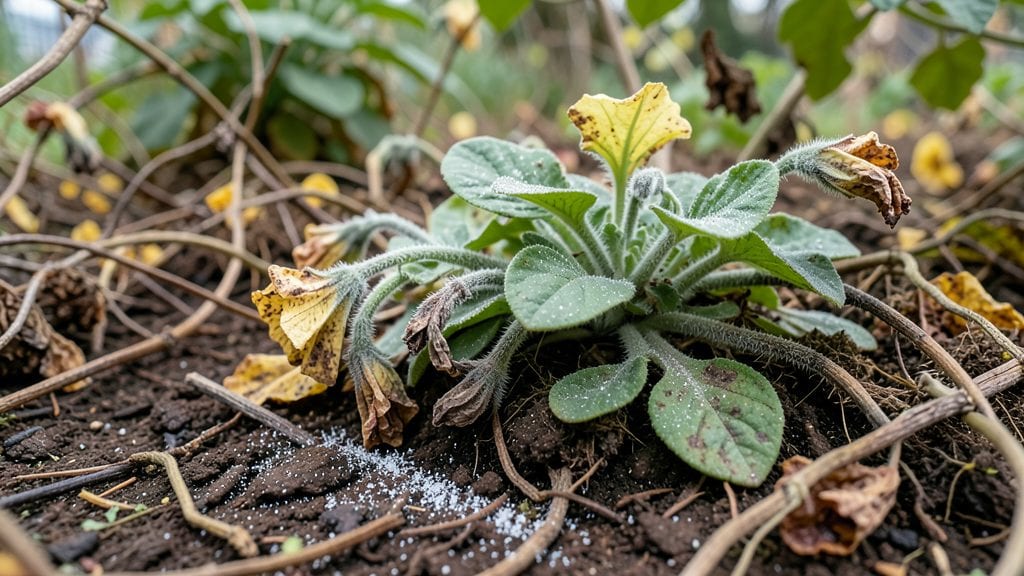
That black fuzz creeping across potting soil and shelves is more than just an eyesore—it’s garden centre mold, and it’s silently stressing your plants. 🌱 I’ve seen it turn healthy cuttings into sad, wilted messes in just days, but the good news?
You can stop it with three straightforward fixes that actually work.
The problem usually starts with too much moisture and poor airflow—think damp soil left in sealed containers or storage bins that never dry out. Mold thrives in these conditions, spreading to roots and leaves like a silent thief.
The worst part? It weakens plants before you even notice, making them vulnerable to bigger problems.
With the right approach, you’ll clear it up fast and keep it from coming back. We’re talking improved airflow, targeted treatments, and a few smart storage tweaks that take less than an hour. Your plants will bounce back stronger, and your shelves will stay clean for months.
Whether you’re dealing with a small corner of mold or a full-blown infestation, these steps adapt to any garden centre setup. Let’s get your space—and your plants—back in fighting shape.
The Hidden Triggers Behind Fungal Growth
Mold in garden centers isn’t just an eyesore—it’s a sign of underlying conditions that create the perfect breeding ground for fungi. Understanding these triggers is the first step to prevention and effective removal. Let’s break down the science behind why mold thrives in these spaces.
Fungi love water—it’s their lifeblood. Garden centers often suffer from high humidity due to:
- Irrigation overspray: Overhead watering systems can leave soil and plant debris damp for extended periods, creating a soggy environment.
- Poor drainage: Compacted or poorly aerated soil traps water, preventing excess moisture from evaporating. This is especially true in container gardens or areas with hardpan (a dense, water-resistant soil layer).
- Condensation: Greenhouses and covered areas trap heat and moisture, leading to condensation buildup on surfaces—ideal for mold spores to land and germinate.
Actionable fix: Use drip irrigation instead of overhead watering, and amend soil with perlite or sand to improve drainage. Ventilate greenhouses daily to reduce humidity.
Mold feeds on decaying organic material, making garden centers a buffet for fungi. Common culprits include:
- Leaf litter and mulch: Piles of leaves, grass clippings, or wood chips left unattended decompose slowly, releasing moisture and nutrients that fuel mold growth.
- Dead plants and roots: Pruned branches, wilted flowers, or uprooted plants left in piles create a microclimate where mold spores thrive.
- Compost piles: While composting is beneficial, overly wet or improperly managed compost can become a mold hotspot, especially if turned infrequently.
Actionable fix: Remove dead plant material promptly and compost only in well-aerated bins with a carbon-to-nitrogen ratio of 30:1. Spread mulch thinly (2–4 inches) to allow airflow.
Fungi grow best in warm, stagnant conditions (typically between 60–85°F). In garden centers, this happens when:
- Poor ventilation: Enclosed spaces like greenhouses or storage sheds trap heat and moisture, creating a greenhouse effect that accelerates mold growth.
- Shaded or dense planting: Areas with little sunlight stay cooler and damper longer, slowing evaporation and promoting fungal activity.
- Heated soil: Dark-colored mulch or plastic tarps absorb heat, raising soil temperatures and speeding up decomposition—thus, mold spread.
Actionable fix: Install exhaust fans or open vents to improve airflow. Prune plants to allow sunlight penetration and avoid over-mulching in hot climates.
Mold doesn’t just appear—it hitchhikes on wind, water, and even your tools. Common sources of spores include:
- Windborne spores: Outdoor garden centers are prime targets for spore drift from nearby forests, compost heaps, or even neighboring properties.
- Contaminated water: Reusing water from moldy containers or irrigation systems that haven’t been cleaned spreads spores to healthy plants.
- Dirty tools and hands: Pruners, gloves, and even wheelbarrows can transfer mold from one area to another if not sanitized.
Actionable fix: Disinfect tools with a 10% bleach solution (1 part bleach to 9 parts water) and cover soil during high-spore seasons (e.g., after rain or storms).
Healthy plants resist mold, but stressors like overwatering, nutrient deficiencies, or pests weaken their defenses. Mold often targets:
- Root-bound plants: Crowded roots limit water absorption, leading to waterlogged soil and fungal infections like root rot.
- Nutrient-deficient soil: Plants lacking phosphorus or potassium are more susceptible to fungal attacks.
- Insect-damaged foliage: Wounds from pests (e.g., aphids, slugs) create entry points for mold spores.
Actionable fix: Repot overcrowded plants, test soil pH (ideal: 6.0–7.0 for most plants), and use neem oil or insecticidal soap to prevent pest-related stress.
Fixing Fungal Foes Naturally
Now that you know the culprits behind that unsightly garden centre mold—whether it’s damp-loving mildew, stubborn rust, or creeping powdery coatings—it’s time to roll up your sleeves and reclaim your space.
The good news? Most solutions are simple, cost-effective, and eco-friendly. Below, we’ve mapped out targeted fixes for each common cause, plus pro tips to keep mold from staging a comeback.
Problem: Soggy soil and stagnant air create the perfect mold buffet. Overwatering, compacted soil, or clogged drainage holes turn your potted plants into fungal hotspots.
How to Fix It:
- 🔥 Drainage First
- Repot plants in containers with
- For garden beds, amend heavy clay soil with organic matter (compost or perlite) to improve aeration.
- 🍳 Water Smarter
- Water deeply but less frequently—aim for 1–1.5 inches per week (check with your finger; top 1–2 inches should dry out between waterings).
- Water early in the day so foliage dries quickly (mold thrives in damp leaves overnight).
- 👨🍳 Prune for Circulation
- Trim crowded or dead foliage to
- Space out pots or plants to reduce humidity pockets.
💡 Prevention Tip:
- Use mulch** (straw or wood chips) to retain moisture without suffocating roots—but keep it 2–3 inches away from stems.
Problem: Mold loves dark, damp corners—think shaded benches, under greenhouses, or crowded display areas. Without sunlight and airflow, spores spread like wildfire.
How to Fix It:
- ☀️ Maximize Sunlight
- Move potted plants to
- Rotate plants weekly for even exposure.
- 🌬️ Boost Airflow
- Use a small fan (even a USB-powered one) near high-risk areas like benches or shelves.
- Open greenhouse vents or prop doors daily for 10–15 minutes.
- 🔪 Clean & Disinfect Surfaces
- Wipe down
- Scrub moldy leaves with a baking soda spray (1 tbsp baking soda + 1 tsp dish soap per gallon of water).
🌡️ Prevention Tip:
- Dehumidify with silica gel packs in storage areas or a small dehumidifier in greenhouses.
Problem: Leaves, mulch, or old plant debris act like mold magnets, trapping moisture and spores. Even "clean" areas can harbor hidden spores in compost piles or under benches.
How to Fix It:
- 🗑️ Remove Debris Daily
- Sweep up fallen leaves, spent blooms, and weeds from walkways and shelves.
- Compost only clean, dry material—never moldy or diseased plants.
- ✨ Sterilize Tools & Containers
- Soak
- Replace old mulch with fresh, dry options like pine straw or coconut coir.
- 🎯 Treat Infected Plants
- For mildew/rust: Spray plants with neem oil (1 tsp per quart of water + a drop of dish soap) or copper fungicide.
- Burn or bag severely infected plants (don’t compost them!) to stop spore spread.
🔥 Prevention Tip:
- Store tools in a dry place and sharpen blades regularly—dull tools tear leaves, inviting infections.
Problem: Pesticides, fertilizers, or even city smog can weaken plants, making them vulnerable to mold. Over-fertilized soil (especially with synthetic nitrogen) also encourages fungal growth.
How to Fix It:
- 🚿 Flush the Soil
- Mix in compost or worm castings to restore microbial balance.
- 🌿 Switch to Organic Care
- Replace chemical fertilizers with fish emulsion, seaweed extract, or compost tea.
- Use barrier sprays like baking soda (1 tbsp per gallon of water) to prevent mold on leaves.
- 🌳 Boost Plant Immunity
- Avoid overhead watering (use drip irrigation or water at the base).
💡 Prevention Tip:
- Test soil pH (ideal for most plants: 6.0–7.0). Acidic soil (below 5.5) encourages fungal growth—amend with lime if needed.
Final Pro Tip: 🌟 Monitor & Maintain
- Inspect weekly for early signs of mold (white fuzz, yellow spots, or leaf drop).
- Rotate plants every few weeks to prevent hotspots.
- Keep a "clean zone"—designate a shelf or area for sterilized tools and healthy starts.
With these fixes, your garden centre will go from moldy mess to thriving oasis in no time. And remember: prevention is the best cure**—stay proactive, and those fuzzy invaders won’t stand a chance!
Frequently asked questions
Why does mold keep coming back even after cleaning?
Mold returns because spores linger in hidden damp areas like soil, mulch, or crevices. Even after cleaning, high humidity or poor airflow recreates the perfect environment. Focus on fixing drainage issues, improving ventilation, and removing organic debris to break the cycle.
Can I use household vinegar to treat moldy plants?
Yes! A 1:1 vinegar-water solution works as a natural fungicide. Spray it on affected leaves and surfaces, but avoid using it on acid-sensitive plants like azaleas or blueberries. For tough cases, repeat every 3–4 days until the mold disappears.
Is it safe to compost moldy plant material?
No, never compost moldy plants or debris. The spores will survive and spread, contaminating your entire compost pile. Instead, bag and discard infected material in sealed trash bags to prevent further contamination.
How do I know if my greenhouse has a mold problem?
Watch for white, gray, or black fuzz on surfaces, soil, or plants, plus musty smells. Check for condensation on walls and poor airflow—these are red flags. A hygrometer (humidity meter) can help track levels above 60%, which encourages mold growth.
Will baking soda really stop mold on potted plants?
Mix 1 tablespoon baking soda with 1 teaspoon dish soap in a gallon of water and spray it on leaves. The baking soda raises the pH slightly, making it inhospitable for mold. Repeat weekly for prevention or until mold clears.