
Pests
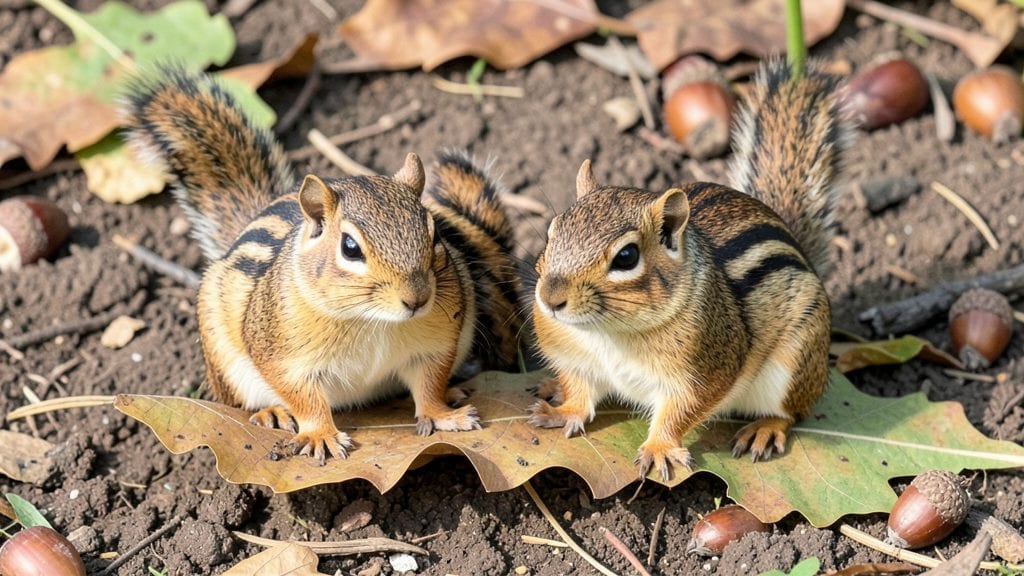
My garden’s chipmunk invasion reached a breaking point after they unearthed my entire seed starter tray—twice. 🌱 These tiny bandits don’t just nibble; they dig like they’re searching for buried treasure, and most "solutions" either fail or trap them cruelly.
I finally cracked the code with methods that actually work without harming them or relying on fake predators they’ll ignore.
The key is making your garden less appealing than the wild areas they prefer. Start with habitat tweaks: remove brush piles, secure compost bins with lids, and store birdseed in metal containers.
Chipmunks dig for food, so eliminating easy snacks sends them packing. I also scatter coarse sand or diatomaceous earth around vulnerable spots—it’s harmless to wildlife but makes digging miserable for them.
You’ll see results within a week if they’re not already established. The sand method, in particular, works like magic—no more tiny trenches appearing overnight, and your seedlings stay safe. Plus, it’s a one-time fix that lasts until rain washes it away, so you can reapply as needed without extra effort.
This approach works for vegetable beds, flower gardens, and raised beds alike, and it’s kinder than traps or poison. The secret? Chipmunks are smart—they’ll leave if they find your garden more trouble than it’s worth. Here’s exactly how to set it up without breaking a sweat.
📚 In This Guide
- What you need
- Instructions
- Tips and common mistakes
- Wrapping up and next steps
What you need
- ● Hard, smooth pebbles or gravel – 3–5 lbs (enough to cover problem areas like planting beds or near entry points).
- ● Wire mesh or hardware cloth – 1/4-inch or smaller (at least 10 ft for patching holes or reinforcing vulnerable spots).
- ● Pruning shears or wire cutters – For trimming overgrown vegetation that provides hiding spots.
- ○ Motion-activated sprinkler – Optional but effective (look for solar-powered models for easy setup).
- ● Natural repellents – 1–2 bottles of predator urine (fox or coyote) or commercial chipmunk repellent sprays (like Hot Pepper Wax).
- ● Garden hose with adjustable nozzle – For creating a gentle but consistent water spray.
- ● Caffeinated coffee grounds – 1–2 cups (sprinkle around entry points—chipmunks hate the smell!).
- ● Citrus or vinegar spray – Mix 1 part vinegar to 3 parts water in a spray bottle for a DIY deterrent.
- ● Reflective tape or old CDs – Hang near nesting areas to startle them with flashes of light.
- ● Heavy-duty gloves – For handling prickly plants or messy repellents.
Step-by-Step instructions for humane chipmunk deterrents
Here’s how to reclaim your garden without harming these clever critters—using cleverness of your own.
🪴 Step 1: Secure Food Sources and Remove Attractants
Chipmunks are drawn to gardens primarily for food, so start by eliminating their buffet. I always begin by harvesting any ripe fruit, vegetables, or fallen seeds from the garden beds. Store produce indoors immediately—even a single dropped tomato can lure them back.
Next, inspect your trash cans. Chipmunks will chew through thin plastic lids or gaps in metal bins. Use heavy-duty bungee cords or locking lids to seal garbage completely. Place trash cans on concrete slabs or metal stands to prevent digging underneath. This removes their easiest meal source overnight.
🌱 Step 2: Create Physical Barriers in Problem Areas
For raised beds or planters, line the bottom edges with hardware cloth (¼-inch mesh) buried 6 inches deep around the perimeter. Chipmunks dig, so this prevents them from tunneling underneath. I bend the edges outward slightly to discourage climbing.
For in-ground plantings, lay a 12-inch wide strip of hardware cloth around the garden’s edge, buried 4-6 inches deep. Leave a 2-inch gap at the top to allow water drainage but block burrowing. This creates an invisible moat that chipmunks avoid without trapping them.
☀️ Step 3: Use Natural Repellents Strategically
Chipmunks dislike strong scents, so I strategically place cotton balls soaked in peppermint oil near entry points or along garden edges. Replace them every 3-4 days—the scent fades quickly. I also sprinkle dried blood meal (not for plants) around the garden’s perimeter; its ammonia-like odor repels them without harm.
For a visual deterrent, place reflective objects like old CDs or aluminum pie pans near problem areas. The flashing light confuses their territorial instincts. Move these weekly to prevent adaptation—chipmunks learn fast, but their memory isn’t perfect.
⏰ Step 4: Monitor and Adjust for Long-Term Success
Check for fresh dig sites or chewed plants daily for the first week. If you spot new activity, reinforce barriers or reposition repellents. Chipmunks are persistent, so consistency is key—one missed day can reset your progress.
In late summer, remove any remaining fallen seeds or fruits before they mature. This cuts off their future food supply. I also plant deterrent crops like marigolds or daffodils around the garden’s edge—their strong scents mask plant smells that attract chipmunks.
✂️ Step 5: Maintain a Clean, Uninviting Garden
Regularly rake up leaf litter and debris where chipmunks might nest. Store firewood, mulch, and compost bins at least 10 feet away from garden beds. These piles become hiding spots and food sources.
Finally, keep your garden neat and tidy. Overgrown areas provide cover for chipmunks to approach undetected. A well-maintained space makes your garden less appealing—and more yours to enjoy.
Tips & tricks for humane chipmunk deterrents
These battle-tested strategies will help you outsmart chipmunks without causing them harm—while keeping your garden thriving.
Hardware Cloth Placement: When burying the ¼-inch hardware cloth around raised beds in Step 2, create a slight outward bend at the top edge. This subtle design change prevents chipmunks from using the barrier as a climbing aid. I've seen them attempt to scale straight edges, but the angled edge confuses their natural digging instincts. For in-ground plantings, bury the 12-inch wide strip at a 45-degree angle for the first 3 inches—this makes it harder for them to tunnel under while still allowing drainage.
Repellent Rotation: Chipmunks quickly adapt to static repellents, so rotate your strategies in Step 3. After using peppermint oil-soaked cotton balls for 3-4 days, switch to dried blood meal for a week, then reintroduce the peppermint scent. This keeps them guessing while maintaining effectiveness. I also found that placing repellents near their known entry points (like along garden edges or near trash cans) is more effective than random scattering.
Visual Deterrent Placement: The reflective objects in Step 3 work best when positioned at eye level for chipmunks—about 6-12 inches above ground. Place them near high-traffic areas where you've noticed digging activity. Move them weekly to prevent habituation, but keep them within 10 feet of problem zones. I've had success with both CDs and pie pans, but the pie pans create more unpredictable light patterns that seem to confuse them more effectively.
Seasonal Adjustments: In late summer (as mentioned in Step 4), focus on removing fallen seeds and fruits before they mature—this is when chipmunks are most active preparing for winter. I also recommend planting deterrent crops like marigolds or daffodils after your main crops have been harvested. These plants release strong scents that mask the smells of your vegetables, making your garden less appealing to foraging chipmunks.
Pro Tips for Chipmunks In Garden
- These battle-tested strategies will help you outsmart chipmunks without causing them harm—while keeping your garden thriving.
- Hardware Cloth Placement: When burying the ¼-inch hardware cloth around raised beds in Step 2, create a slight outward bend at the top edge.
- Repellent Rotation: Chipmunks quickly adapt to static repellents, so rotate your strategies in Step 3.
Frequently asked questions
Got questions about keeping chipmunks out of your garden without traps or decays?
Here are some of the most common concerns—and practical solutions—to help you reclaim your space!
How do I keep chipmunks from digging up my garden?
Chipmunks love to tunnel and snack on bulbs, seeds, and roots. Try physical barriers like hardware cloth (bury it 12 inches deep) or raised garden beds. Scatter prickly plants like daffodils or alliums—they dislike the texture! For a quick fix, lay down plastic bird netting over vulnerable areas.
What’s the best time of year to deter chipmunks?
Spring and early summer are peak times for chipmunk activity as they forage for food before winter. Start deterrents now (March–May) to prevent burrowing. If you notice fresh tunnels or chewed plants, act fast—chipmunks establish territories quickly! Focus on removing food sources (like fallen fruit or pet food) year-round.
Will peppermint oil or other spices really work?
Yes! Chipmunks hate strong scents like peppermint, garlic, or cayenne pepper. Soak cotton balls in peppermint oil and place them near entry points or tunnels. Reapply every 3–5 days (rain washes it away). For a natural alternative, try crushed red pepper flakes around plants—they’ll avoid the area!
Can I relocate chipmunks instead of scaring them off?
Relocating chipmunks is tricky and often ineffective—they’ll likely return. If you must try, use a live trap (check local laws first!) and release them at least 5 miles away in a wooded area. Focus on habitat modification (removing hiding spots like brush piles) for long-term results. Humane deterrents work better!
What if chipmunks keep coming back after I try deterrents?
Persistence is key! If they return, combine methods: use barriers + scents + removing food sources. Check for hidden entry points (like gaps under decks or sheds) and seal them. Chipmunks are smart—rotate deterrents (e.g., switch from peppermint to predator urine) to confuse them. If all else fails, consider professional pest control for stubborn cases.
Wrapping up and next steps
Chipmunks in your garden don’t have to mean a battle of wits with traps or gimmicks—simple, humane strategies can send them packing without the drama. From scent-based deterrents to habitat tweaks, these methods work by making your space less appealing (and more confusing!) for them. 🌿✨
Ready to reclaim your garden? Start by testing one method at a time—track which works best for your furry neighbors, then expand. Soon, you’ll have a chipmunk-free zone and a happier, healthier yard!
- Pro tip: Combine scent tricks with habitat tweaks for double the effectiveness.
- Next step: Share your success (or ask for help!) in the comments—we love hearing your garden wins!