
Tools
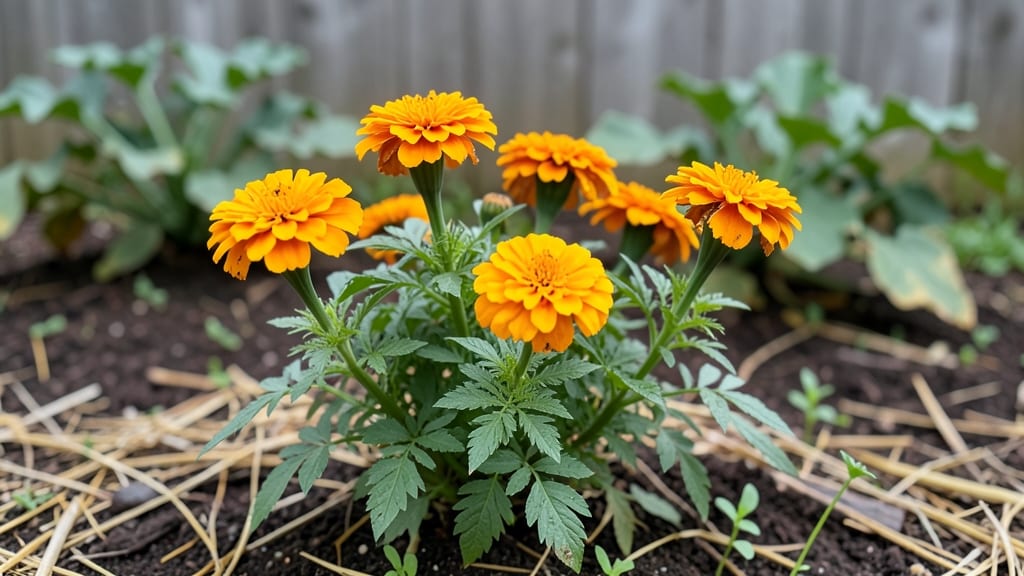
Planting marigolds around your garden isn’t just a pretty border—it’s a year-round pest defense system that actually works. 🌻 I’ve seen firsthand how these bright orange and gold flowers repel nematodes, rabbits, and even mosquitoes while drawing in pollinators like bees and butterflies.
The scent alone keeps pests at bay, but the visual impact? Unbeatable.
These hardy annuals thrive in full sun and need minimal care—just well-draining soil and occasional watering. Space them 8–12 inches apart for a dense, pest-proof barrier, and mix varieties like French marigolds (taller) with dwarf types (shorter) for texture.
They’ll bloom from spring until frost, giving you color and protection without the fuss.
Pair them with herbs like basil or veggies such as tomatoes, and watch your garden transform. The contrast of their fiery blooms against deep green foliage creates a striking, low-maintenance edge. Plus, they self-seed easily, so you’ll have marigolds popping up for years with almost no effort.
Works in containers, raised beds, or along fences—anywhere pests might sneak in. Let’s turn your garden into a fragrant, pest-free paradise without the chemicals.
Root Causes of Marigold Struggles
Marigolds are tough plants, but even they face challenges when planted around gardens—whether it’s wilting, pest invasions, or poor growth. Understanding the why behind these issues helps you take precise action. Below are the most common culprits, explained in simple terms with science-backed solutions.
Marigolds thrive in well-draining, slightly acidic to neutral soil (pH 6.0–7.5). If your garden soil is too dense, waterlogged, or nutrient-deficient, roots suffocate, leading to stunted growth or yellowing leaves.
- Clay-heavy soil compacts easily, blocking oxygen and water flow to roots. Marigolds hate "wet feet"—soggy soil triggers root rot (a fungal infection).
- Lack of organic matter means fewer nutrients (like nitrogen, phosphorus, and potassium) for vibrant blooms. Without compost or aged manure, marigolds may produce smaller flowers or leaf out excessively.
- Extreme pH levels (too acidic < <6.0 or alkaline > 7.5) lock out essential nutrients. For example, iron deficiency (common in alkaline soil) causes yellowing between leaf veins.
Actionable fix: Test your soil (kits cost $10–$20) and amend with:
- 🔥 Sand or perlite (for drainage in clay soil)
- 🌡️ Compost or worm castings (for nutrients)
- ✨ Sulfur or peat moss (to lower pH if needed)
Marigolds repel many pests, but they’re not immune—especially when surrounded by vulnerable plants (like tomatoes or cabbage). Common culprits include:
| Pest | Signs of Damage | Why It Happens |
|---|---|---|
| 🐜 Aphids | Sticky honeydew on leaves, curled or yellowing foliage. | These sap-suckers thrive in crowded plants with tender new growth. Marigolds attract them less than other flowers, but nearby veggies become magnets. |
| 🥔 Nematodes (microscopic worms) | Wilting, stunted roots, or "gall" formations on roots. | Nematodes love moist, warm soil. Overwatering or poor drainage creates the perfect breeding ground, weakening marigold roots. |
| 🐛 Slugs & Snails | Large holes in leaves, slime trails at night. | Marigolds’ strong scent usually deters them, but dry conditions or shade make plants less fragrant—and more appealing to slugs. |
Actionable fix:
- 💡 Rotate crops annually to break pest cycles.
- 🔥 Use diatomaceous earth (food-grade) around the base to deter slugs.
- 🌡️ Encourage beneficial insects like ladybugs (plant dill or fennel nearby).
Marigolds are sun-worshippers but hate inconsistency. Too little light or erratic watering stresses them, making them susceptible to disease or pests.
- Insufficient sunlight (<6 hours/day) leads to leggy, weak stems and sparse blooms. Shady spots (like under trees) cause marigolds to stretch toward light, becoming top-heavy and prone to snapping.
- Overwatering or underwatering disrupts root health. Marigolds need 1–1.5 inches of water per week, but:
- 💦 Too much water → Root rot (fungus thrives in soggy soil).
- 🏜️ Too little water → Wilting, crispy edges, and stressed plants that attract pests.
Actionable fix:
- 🎯 Plant in full sun (6+ hours daily) with 6–12 inches between plants for airflow.
- ⏰ Water deeply 2–3x/week (early morning) and mulch with straw to retain moisture.
- 🔥 Use self-watering pots if your garden has poor drainage.
Marigolds are heat-tolerant but hate sudden temperature swings or frost. Cold snaps or late-season heatwaves can shock them into dormancy or invite disease.
- Frost or early cold (<50°F/10°C) causes blackened leaves or stunted growth. Marigolds are annuals in cold climates—they won’t survive winter outdoors.
- Late-season heat waves (>90°F/32°C) can scorch leaves or cause flowers to brown prematurely.
- Transplant shock occurs if you move seedlings without hardening them off (acclimating to outdoor conditions gradually).
Actionable fix:
- 🌱 Start seeds indoors 4–6 weeks before last frost and harden off for 7–10 days.
- 🏡 Use row covers for early spring/fall to protect from light frosts.
- 💡 Choose heat-tolerant varieties like French marigolds (e.g., 'Jingle Bells') for hot climates.
Fixing Common Marigold Garden Issues
Marigolds are tough, but even the hardiest plants can face challenges—whether it’s pests munching on leaves, diseases creeping in, or poor growth from environmental stress. The good news?
Most problems have simple, effective fixes. Below, we’ll tackle the most common issues with practical steps and prevention tips to keep your marigolds thriving all season.
Marigolds naturally repel many pests, but aphids, spider mites, and earwigs can still cause trouble.
🔥 Aphids or Spider Mites Fix:
- Blast them off 💦: Use a strong stream of water from a hose to dislodge aphids or mites from leaves.
- Neem oil spray 🌿: Mix 1 tsp neem oil with 1 quart of water and a drop of dish soap.
Spray leaves thoroughly (repeat every 5–7 days). - Introduce predators 🐞: Ladybugs and lacewings love aphids—buy them online or attract them with companion plants like dill or fennel.
Prevent:
- Plant marigolds early 🌱: They grow fast and can outcompete pests before they take hold.
- Check undersides of leaves 👀: Pests hide there—inspect weekly.
🦋 Earwigs or Slugs Chewing Leaves
Fix:
- Beer traps 🍺: Bury a shallow dish filled with beer near plants—earwigs and slugs will drown in it overnight.
- Diatomaceous earth 🪨: Sprinkle food-grade DE around the base of plants (reapply after rain).
- Copper barriers ⚡: For slugs, wrap copper tape around pots or create a border—it gives them a mild electric shock they dislike.
Prevent:
- Mulch strategically 🌿: Use coarse mulch (like pine straw) to deter slugs—avoid thick, damp layers that attract them.
- Plant marigolds in containers 🏺: Elevating them reduces slug access.
Slow growth, yellowing leaves, or wilting can signal underlying problems.
💧 Overwatering or Poor Drainage
Fix:
- Test the soil 🏺: Stick your finger 1–2 inches deep—if it’s soggy, cut back on watering.
- Improve drainage 🪨: Mix in perlite or sand to heavy soil, or plant in raised beds.
- Water at the base 💦: Avoid wetting leaves to prevent fungal issues.
Prevent:
- Use well-draining pots 🏺: If container-grown, ensure pots have drainage holes.
- Water deeply but less often ⏳: Marigolds hate "wet feet"—water when the top inch of soil is dry.
🍄 Powdery Mildew or Leaf Spot
Fix: - Baking soda spray 🧂: Mix 1 tbsp baking soda, 1 tsp dish soap, and 1 quart of water.
Spray infected leaves (repeat weekly). - Prune affected foliage ✂️: Remove heavily diseased leaves and dispose of them (don’t compost). - Space plants properly 🌿: Ensure 8–12 inches between marigolds for airflow.
Prevent:
- Water in the morning ☀️: Wet leaves dry faster, reducing fungal growth.
- Choose resistant varieties 🌼: French marigolds (like ‘Bonanza’) are less prone to mildew than African types.
🌿 Leggy or Weak Stems
Fix:
- Pinch back growth ✂️: Trim the tips of leggy stems to encourage bushier growth.
- Add sunlight ☀️: Move plants to a sunnier spot (marigolds need 6+ hours of direct sun daily).
- Fertilize lightly 🌱: Use a balanced 10-10-10 fertilizer sparingly—too much causes weak stems.
Prevent:
- Start with strong seedlings 🌱: Buy healthy, stocky plants from reputable nurseries.
- Avoid overcrowding 🌿: Thin seedlings to 12 inches apart for better airflow and light.
Heatwaves, cold snaps, or frost can stress marigolds.
🔥 Heat Stress (Wilting or Bleached Leaves)
Fix:
- Shade cloth 🏖️: Use 30–50% shade cloth during peak afternoon sun if temps exceed 90°F.
- Mulch heavily 🌿: Keep soil cool and moist with 2–3 inches of mulch.
- Water deeply in the morning 💦: Helps roots absorb moisture before evaporation.
Prevent:
- Plant in late spring 🌱: Avoid early-season heatwaves by waiting until soil warms.
- Choose heat-tolerant varieties 🌼: ‘Tangerine Gem’ or ‘Jumbo Snapdragons’ handle heat better.
❄️ Frost or Cold Damage
Fix:
- Cover plants 🧣: Use frost cloth or old blankets to protect overnight (remove during the day).
- Transplant indoors 🏠: For container marigolds, move them to a sunny windowsill or greenhouse.
- Prune damaged leaves ✂️: Cut back blackened or mushy foliage to encourage new growth.
Prevent:
- Plant after the last frost ⏳: Wait until nighttime temps stay above 50°F.
- Use row covers 🌿: For early spring planting, lightweight covers add 2–4°F of protection.
- Rotate planting spots 🔄: Avoid planting marigolds in the same location yearly to prevent soil-borne diseases.
- Companion planting 🌱: Pair with basil, garlic, or nasturtiums to boost pest resistance.
- Deadhead regularly ✂️: Snip spent blooms to encourage more flowers and deter pests hiding in debris.
With these fixes, your marigolds will stay vibrant, pest-free, and full of blooms—acting as your garden’s year-round defense and pollinator paradise! 🌼✨
Frequently asked questions about planting marigolds around your garden
What’s the best spacing for marigolds to create an effective pest barrier?
Plant marigolds 8–12 inches apart for a dense, continuous border that pests can’t slip through. This spacing also allows enough airflow to prevent fungal diseases while keeping the strong scent concentrated where it matters most—right at the garden’s edge.
Can I plant marigolds in containers instead of the ground?
Marigolds thrive in containers with 5–6 inches of depth and drainage holes. Use well-draining potting mix and place them near vulnerable plants like tomatoes or herbs. Containers make them mobile—move them to follow the sun or protect from pests like slugs.
Do marigolds attract bees and butterflies, or just repel pests?
They do both! Marigolds are a pollinator magnet, drawing bees, butterflies, and hoverflies while keeping mosquitoes and rabbits away. The bright blooms provide nectar, and their scent confuses pests—making them a dual-purpose powerhouse for any garden.
Will marigolds self-seed, or do I need to replant every year?
Many varieties self-seed readily, popping up year after year with almost no effort. To control spread, deadhead spent blooms or collect seeds before they drop. If you prefer fresh starts, replanting every 2–3 years ensures stronger, healthier plants.
How late in the season can I plant marigolds for fall blooms?
Plant marigolds 6–8 weeks before your first frost date for fall color. They’re cold-hardy but won’t survive freezing temps—aim for a 100-day growing season from seed or 60 days from transplants. Choose early-blooming varieties like ‘Bonanza’ for faster results.