Advice
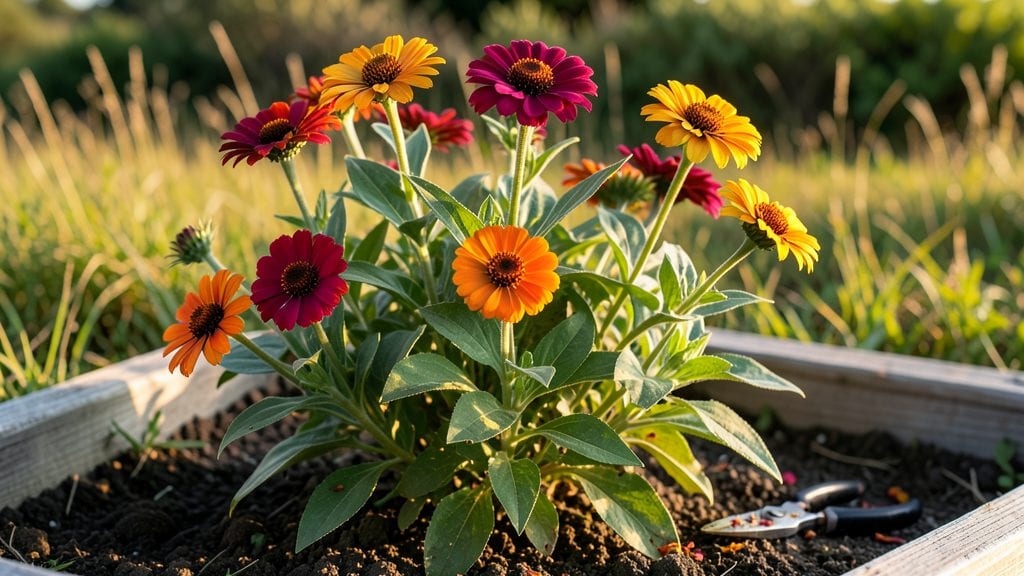
The best states for gardening offer diverse climates: California, Oregon, and Washington provide mild conditions perfect for year-round growing, while Texas and Florida thrive with warm-weather crops. Northern states like Michigan and Minnesota deliver long, cooler seasons ideal for hearty vegetables and perennials, with success hinging on each region’s USDA hardiness zone and soil quality.
The right location can turn your gardening dreams into reality. California’s Mediterranean climate supports everything from citrus to roses, while Florida’s subtropical zones let gardeners grow tropical fruits like mangoes and avocados year-round. 🌿 Meanwhile, Michigan’s rich soils and abundant rainfall make it a powerhouse for organic vegetable production.
What sets these states apart isn’t just temperature—it’s the combination of frost dates, rainfall patterns, and local agricultural expertise that creates thriving green spaces. For example, Oregon’s Willamette Valley is famous for its berry farms, while Texas’s Hill Country excels in drought-resistant native plants.
💡 In This Article
- How Climate Zones Define Gardening Success
- Top 5 States Ranked by Growing Conditions
How climate zones define gardening success
The USDA hardiness zone map divides the U.S. into 11 zones based on average annual minimum temperatures, which directly determine what plants can survive winter.
For example, Zone 10 (southern California and Florida) has winters above 30°F, allowing year-round tropical crops like papaya and hibiscus, while Zone 3 (northern Minnesota) sees winters below -40°F, limiting options to hardy perennials like coneflowers or cold-resistant kale.
The 10-15°F difference between zones explains why a peach tree thrives in Georgia but freezes in New York.
Coastal climates create microclimates that differ dramatically from inland areas. Oregon’s Pacific Northwest receives 90-120 inches of rainfall annually, creating lush conditions for rhododendrons and ferns, while inland Eastern Washington gets only 10-20 inches, favoring drought-tolerant lavender and sage.
Frost-free periods vary just as widely: 300+ days in southern Florida vs. 60-90 days in northern Maine. These patterns explain why citrus grows commercially in Zone 9 but not in Zone 5—even a single hard freeze can devastate tender plants.
Extreme zones demonstrate these principles in action. Alaska’s Zone 1-2 allows only 60-90 frost-free days, forcing gardeners to focus on fast-maturing crops like radishes (25 days) or cold-hardy greens. Meanwhile, Arizona’s Zone 9-10 supports 365-day growing of heat-loving plants like okra and bougainvillea.
The key difference? Alaska’s short season requires early spring planting and row covers, while Arizona’s heat demands shade cloth and drip irrigation to prevent wilting. Both extremes prove that successful gardening hinges on matching plants to local conditions.
Precipitation patterns add another layer. California’s Mediterranean climate delivers 90% of its rain in winter, creating summer droughts that favor deep-rooted plants like olives and rosemary. In contrast, Florida’s subtropical humidity (average 50-60 inches/year) supports lush foliage but requires well-draining soil to prevent fungal diseases.
These differences explain why a California garden might feature drought-resistant succulents while a Florida garden thrives with moisture-loving ferns and palms. Understanding these regional quirks is what separates struggling gardeners from those with bountiful harvests.
Soil composition plays a hidden but critical role. Michigan’s glacial till creates rich, loamy soil ideal for tomatoes and peppers, while Texas’s alkaline clay demands soil amendments like sulfur to grow blueberries.
Even within a single state, elevation changes zones: Denver (Zone 5) can grow potatoes, while Aspen (Zone 4) 50 miles away struggles with the same crop.
This variability means gardeners must research not just their state, but their specific county and even neighborhood—because a 500-foot elevation gain can shift you into a different hardiness zone entirely.
What most people overlook is how these factors interact. A long growing season (like in Washington) isn’t helpful if summers are too cool for tomatoes (75-85°F needed for ripening).
Similarly, high humidity (like in Louisiana) can spread fungal diseases unless you use resistant varieties or proper spacing. The science shows that successful gardening requires balancing temperature, moisture, sunlight, and soil—all while accounting for local pests and diseases.
That’s why California’s Zone 9-10 can grow avocados while nearby Zone 7 mountains can’t—it’s not just about heat, but the perfect storm of conditions.