
Companion Plants
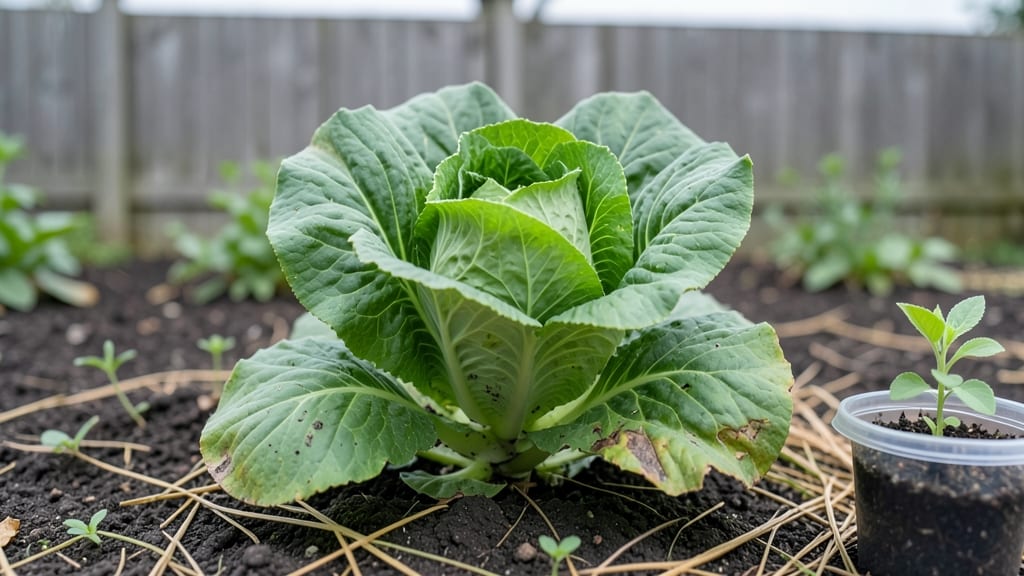
These beginner garden plants—like bush beans, radishes, and lettuce—are the secret weapon for first-time gardeners who want fast results without the stress. ✨ I’ve spent years trialing different varieties, and these picks deliver harvests in weeks, not months, while handling my watering inconsistencies like a champ.
The key is matching plants to your sunlight and space, not your patience level.
These plants thrive with basic care: most need 4-6 hours of sun, 1 inch of water per week, and soil that drains well (even if it’s not "perfect"). Radishes bolt in 25 days, bush beans produce pods in 50, and Swiss chard keeps growing through summer heat—no fuss.
They’re also tough on pests, so you won’t spend your first season fighting aphids or squash bugs.
Imagine plucking fresh lettuce for salads in 30 days or snapping beans straight from the vine for dinner. These plants give you tangible wins fast, and their hardiness means you’ll actually enjoy the process instead of dreading failures.
Plus, they’re versatile: eat them, share them, or let them attract bees to your garden.
Whether you’re working with a sunny windowsill or a full backyard plot, these varieties adapt. Start with 3-5 plants to test what grows best in your space—then expand next season. The goal isn’t perfection; it’s progress, and these plants make that easy.
📚 In This Guide
- What you need
- Instructions
- Tips and common mistakes
- Wrapping up and next steps
What you need
- ● Seeds or seedlings: Choose from your fast-growing picks (e.g., bush beans, radishes, lettuce, or marigolds). Start with 5–10 plants to avoid overwhelm.
- ● Containers or garden bed: Pots: 5–10 5–10 inch diameter containers with drainage holes (plastic or terracotta).
- ● Garden bed: A 4’x4’ plot (or smaller) with loose, well-draining soil.
- ● Potting soil: 1–2 bags (1–2 cubic feet per bag) of lightweight, organic mix (e.g., Miracle-Gro or FoxFarm).
- ● Watering can or hose: A 1–2 gallon can with a rose attachment for gentle watering.
- ● Garden gloves: A pair of durable, breathable gloves (e.g., Fellowes or Workrite) to protect your hands.
- ● Hand trowel: A small, ergonomic trowel (6–8 inches long) for planting and soil prep.
- ● Pruners: Bypass pruners (for clean cuts) or a small hand saw for stubborn stems.
- ● Compost or fertilizer: Balanced 10-10-10 or fish emulsion for a nutrient boost (follow package instructions!).
- ● Mulch: Straw or shredded leaves (1–2 inches thick) to retain moisture and suppress weeds.
- ● Plant markers: Label sticks or DIY tags (e.g., popsicle sticks + paint) to track what’s what.
- ● Knee pad or stool: For comfort during planting and maintenance.
- ○ Sunlight meter: A digital light meter (optional but handy) to check your garden’s light conditions.
Step-by-Step guide to selecting and growing your first beginner garden plants
Here’s how to pick and cultivate foolproof, fast-growing plants that thrive with minimal effort.
🌱 Step 1: Choose the Right Fast-Growing, Low-Maintenance Varieties
Start with leaf lettuce, radishes, bush beans, and zucchini—these mature in 30-60 days and tolerate beginner mistakes. Lettuce and radishes grow quickly in cool weather, while beans and zucchini thrive in warm conditions. Avoid fussy plants like tomatoes or peppers until you’ve mastered these basics.
Check seed packets for days to maturity—anything under 60 days is ideal for beginners. I always pick open-pollinated varieties (like ‘Black Seeded Simpson’ lettuce or ‘Early Girl’ zucchini) because they’re reliable and save easily for next year. Skip hybrids unless labeled "heirloom" or "beginner-friendly."
🪴 Step 2: Prepare the Soil for Optimal Growth
Work 2-3 inches of compost into the top 6 inches of soil to improve drainage and fertility. Use a garden fork to loosen compacted areas—this prevents root bound and encourages fast growth. If your soil is heavy clay, mix in 1 part perlite or coarse sand to help water drain.
Test soil moisture by squeezing a handful—it should hold together but not feel soggy. Overly dense soil slows root development, while loose, airy soil lets plants establish quickly. If your garden bed is new, add 1 cup of balanced 10-10-10 fertilizer per 100 square feet to give seedlings a nutrient boost.
☀️ Step 3: Plant at the Correct Depth and Spacing
Follow seed packet instructions for depth—usually twice the seed diameter—but never deeper than ½ inch. Press seeds gently into soil with your finger; covering too lightly may expose them to drying, while burying too deep delays germination. Water the area until the soil is evenly moist but not saturated.
Space lettuce and radishes 1-2 inches apart in rows 12 inches apart, while bush beans and zucchini need 3-4 inches apart in rows 2-3 feet apart. Crowding stresses plants and invites disease. Use a small stick to mark rows if you’re unsure—this prevents overplanting and makes thinning easier later.
💧 Step 4: Water Consistently Without Overdoing It
Keep soil consistently moist (like a damp sponge) for the first 2 weeks—this encourages strong root growth. Water early in the morning to reduce evaporation and fungal risks. Use a soaker hose or watering can with a rose attachment to deliver water at the base, avoiding wet foliage.
Once seedlings emerge, reduce watering to every 2-3 days unless it rains. Let the top 1 inch of soil dry between waterings—this prevents rot while keeping roots hydrated. You’ll see first true leaves (not the tiny seed leaves) within 7-14 days; this is your cue to switch to drip irrigation if possible for precision.
✂️ Step 5: Monitor and Maintain for Fast Harvests
Thin seedlings to 1 plant per 6-inch spacing when they’re 2 inches tall—use scissors to avoid disturbing roots. Harvest lettuce outer leaves as they reach 3-4 inches, leaving the center to regrow. Radishes are ready in 25-30 days; pull them before they get woody.
For bush beans and zucchini, watch for yellowing lower leaves—this signals nitrogen needs. Side-dress with 1 tablespoon of compost per plant or a balanced liquid fertilizer (like fish emulsion) every 2 weeks. Prune zucchini vines to 1-2 main stems to focus energy on fruit production.
Tips & tricks for perfect beginner garden plants
Here's what nobody tells you about growing foolproof, fast plants that actually thrive for beginners.
Seed Selection Strategy: Don't just grab any seed packet—look for varieties labeled "early maturing" or "fast-growing" like 'Cherry Belle' radishes (25 days) or 'Contender' bush beans (50 days). These are specifically bred for quick results, which is exactly what you want when you're just starting out. I've learned the hard way that "heirloom" doesn't always mean "fast"—some heirlooms take just as long as hybrids. The key is checking that maturity date on the back of the packet.
Soil Preparation Hack: The 2-3 inches of compost you're adding in Step 2 isn't just about nutrients—it's about creating the perfect texture. I like to mix in a handful of worm castings (yes, worm poop!) with the compost for an extra microbial boost. This helps break down nutrients faster so your plants get what they need immediately. For clay soil, add perlite at a 1:4 ratio rather than 1:1—this prevents compaction while still improving drainage. The goal is soil that crumbles easily when dry and holds moisture without becoming soggy.
Planting Depth Visual: When following the "twice the seed diameter" rule in Step 3, think of it this way: if your seed is 1/8 inch wide, plant it 1/4 inch deep. For tiny seeds like lettuce, use your finger to make a shallow dimple rather than trying to measure. Press the seeds in gently—they need good soil contact to germinate, but don't pack them down. A good test is that you should be able to see daylight around the edges of your planted seeds. This ensures they'll get the light they need to sprout.
Watering Timing Secret: That "early morning" watering in Step 4 isn't just about reducing evaporation—it's about giving your plants a full day to dry out. Wet foliage at night creates the perfect conditions for fungal diseases like powdery mildew. I set a timer for 6 AM watering and use a rain gauge to measure exactly 1 inch of water per week. This consistency is what helps those fast-growing plants reach maturity in their promised 30-60 days without stress.
Pro Tips for Beginner Garden Plants
- Here's what nobody tells you about growing foolproof, fast plants that actually thrive for beginners.
- Seed Selection Strategy: Don't just grab any seed packet—look for varieties labeled "early maturing" or "fast-growing" like 'Cherry Belle' radishes (25 days) or 'Contender' bush beans (50 days).
- Soil Preparation Hack: The 2-3 inches of compost you're adding in Step 2 isn't just about nutrients—it's about creating the perfect texture.
Frequently asked questions
Got questions about starting your beginner garden? You’re not alone! Here are some of the most common concerns—and their easy solutions—to help you grow with confidence.
What are the easiest plants for a beginner with no gardening experience?
Start with fast-growing, forgiving plants like bush beans, lettuce, radishes, or zucchini. These thrive in partial sun, tolerate occasional neglect, and produce harvests in weeks. Herbs like basil and mint are also great—just avoid overwatering!
How long does it take to see results with beginner-friendly plants?
Most fast-growing picks show results in 2–6 weeks! Radishes pop up in 3–4 weeks, while bush beans and zucchini take 4–6 weeks to mature. Leafy greens like lettuce can be harvested in 30–50 days. Patience pays off—but so does celebrating small wins!
How often should I water beginner garden plants?
Water deeply 1–2 times per week (more in extreme heat or sandy soil). Check soil moisture by sticking your finger 1 inch down—if it’s dry, it’s time to water. Mulch (like straw or grass clippings) helps retain moisture and reduces weeds. Overwatering is a bigger risk than underwatering!
What do I do if pests show up in my beginner garden?
Don’t panic! Start with physical removal (handpick bugs) or soapy water sprays (1 tsp mild soap + 1 quart water). For aphids, blast them off with a strong stream of water. Plant companion plants like marigolds or nasturtiums to deter pests naturally. Most issues are minor—just act fast!
Can I grow beginner plants in containers instead of a garden bed?
Absolutely!
Many easy plants (like herbs, lettuce, and cherry tomatoes) thrive in 5-gallon pots or larger. Just ensure containers have drainage holes and use lightweight potting mix. Rotate pots for even sunlight, and fertilize every 4–6 weeks with a balanced plant food.
What’s the best time of year to start planting for beginners?
Timing depends on your climate, but spring (after last frost) and early fall are ideal for most cool-season crops (like lettuce and peas). Warm-season plants (tomatoes, peppers) need soil temps above 60°F. Check your frost dates and plant 2–3 weeks before for a head start!
Wrapping up and next steps
Starting your gardening journey with the right beginner garden plants makes all the difference—low-maintenance, fast-growing picks like bush beans, radishes, and lettuce are perfect for building confidence and reaping rewards quickly! 🌱 Whether you’re growing in containers, raised beds, or a small plot, these plants prove that green thumbs aren’t required—just patience and a little love.
Now that you’ve got the basics down, why not take the next step? Try experimenting with companion planting (like pairing basil with tomatoes) or expanding your garden with a few more resilient varieties. Happy growing!