
Companion Plants
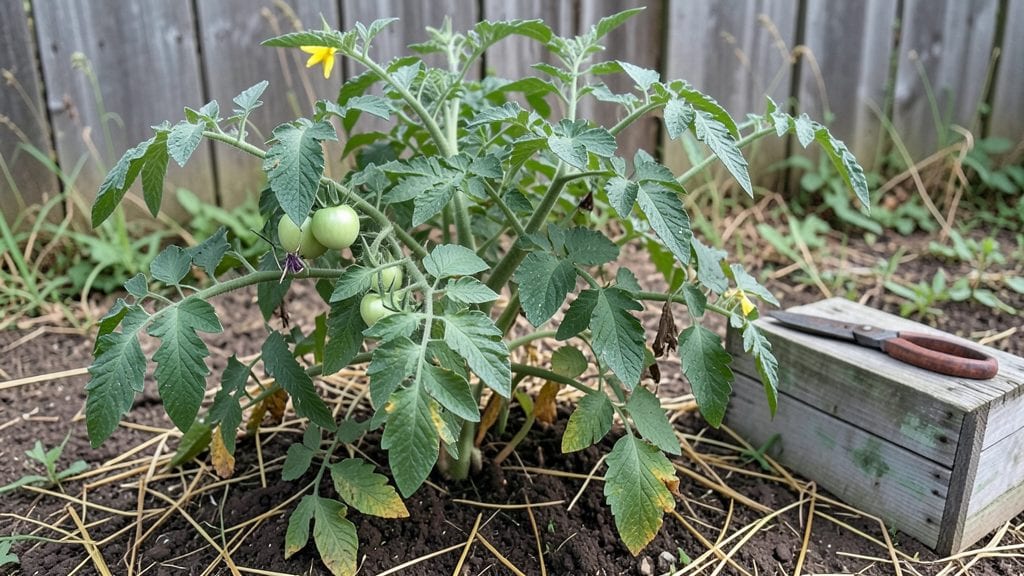
Victory gardens weren't just about growing food—they were about growing resilience. 🌱 Back in the 1940s, families planted these edible layers to feed their communities, and today, they're making a comeback as a way to build food security and cut waste.
The plants you'll choose aren't just productive—they work together to keep pests at bay while maximizing every inch of space.
Think of it like a living puzzle: potatoes and carrots in the ground, beans climbing trellises, and herbs like rosemary and thyme tucked between rows. These were the staples of WWII gardens because they grow fast, yield big, and don't need fancy equipment.
Even in small urban plots, you can stack them vertically or use square-foot gardening to fit everything in.
What you end up with is a garden that feeds you, confuses pests, and feels like a piece of history. The smell of fresh herbs mingling with ripe tomatoes, the sight of green beans climbing their supports—it's the kind of garden that makes neighbors stop and ask questions.
Plus, you'll have enough to share, just like the original victory gardeners did.
This approach works for modern homesteaders, climate-conscious gardeners, or anyone who wants to grow more with less effort. The best part? You don't need a big yard—just sunlight, soil, and a little creativity. Let's get those layers growing!
📚 In This Guide
- What you need
- Instructions
- Tips and common mistakes
- Wrapping up and next steps
What you need
- ● Seeds or Seedlings: 1–2 lbs of companion plant seeds (e.g., basil, marigolds, nasturtiums, dill, or chives). Aim for 10–20 plants per 100 sq. ft.
- ○ Optional: Pre-grown seedlings (check local nurseries for pest-repelling varieties).
- ● Soil: 1–2 cubic yards of well-draining, organic-rich soil (pH 6.0–7.0). Mix in compost (1 part compost to 3 parts soil).
- ● Containers or Garden Beds: Potatoes: 5–10 gallon containers with drainage holes.
- ● Herbs: 6–12" deep pots (1 plant per pot).
- ● Flowers: Raised beds or in-ground plots (6–12" deep).
- ● Watering Supplies: Hose with adjustable nozzle or watering can (1–2 gallons capacity).
- ○ Drip irrigation kit (optional, for efficiency).
- ● Fertilizer: Balanced organic fertilizer (e.g., 10-10-10) or compost tea. Apply every 4–6 weeks.
- ● Mulch: Straw, wood chips, or shredded leaves (2–3" layer) to retain moisture and suppress weeds.
- ● Hand Trowel (for planting seeds/seedlings).
- ● Garden Gloves (to protect hands from thorns or soil).
- ● Pruners (for trimming herbs/flowers).
- ● Measuring Tape or Ruler (to space plants 12–24" apart).
- ● Spray Bottle (for seedling misting or pest deterrents like neem oil).
- ○ Optional: Soil pH test kit (to monitor nutrient levels).
- ● Row covers (lightweight fabric to protect young plants).
- ● Trellis or stakes (for climbing plants like beans or cucumbers).
- ● Sunlight: 6+ hours of direct sun daily (adjust for shade-tolerant plants like lettuce).
- ● Location: Flat, accessible area with good drainage (avoid low spots where water pools).
- ● Time Commitment: 15–30 minutes daily for watering/weeding (increases during harvest season!).
- ● Knowledge: Basic understanding of plant spacing and companion planting (e.g., basil near tomatoes, marigolds near veggies).
Step-by-Step instructions for designing a pest-repelling victory garden
Here's how to create a layered, pest-resistant garden that produces food and keeps bugs away.
🌱 Step 1: Plan Your Edible Layers for Pest Control
Start by sketching your garden layout with three distinct layers: tall plants at the back, mid-height plants in the middle, and low-growing plants in front. Tall plants like tomatoes or pole beans provide shade for heat-sensitive crops below while acting as trellises to keep pests off the ground. I always place basil or marigolds at the base of taller plants—their strong scents deter aphids and whiteflies naturally.
Add onion family plants (onions, garlic, chives) throughout—their pungent aroma confuses pests like carrot flies. These can be interspersed between rows of carrots or lettuce, which are common pest targets. Keep a small section for dill or fennel near the garden's edge; these attract beneficial wasps that prey on cabbage worms and tomato hornworms.
🌿 Step 2: Plant Pest-Repelling Companions Strategically
Use the 4-plant rule: for every 4 square feet of garden space, include at least one pest-repelling plant. For example, plant nasturtiums near your cabbage or kale—they act as a trap crop, luring aphids away from your brassicas. I also tuck thyme or oregano between rosemary bushes and sage; their dense growth smothers weeds while their scent deters rabbits and deer.
Place mint in containers at the garden's perimeter—its aggressive roots can overtake other plants if planted directly in the soil. For tomato plants, interplant with basil or garlic to reduce hornworm damage. The key is diversity: no single plant should dominate a section, as this creates pest hotspots.
☀️ Step 3: Maintain Plant Health to Boost Natural Defenses
Water deeply once weekly (about 1 inch) at the soil base rather than overhead—this prevents fungal diseases that attract pests. I always water in the early morning so foliage dries quickly, reducing slug and snail activity. Use mulch (like straw or grass clippings) to retain moisture and block weeds, which harbor pests like flea beetles.
Rotate crops annually to prevent soil-borne pests from building up. For example, if you grew potatoes in a bed last year, plant beans or peas there this year—they fix nitrogen and don’t share diseases with potatoes. Healthy plants are naturally more resilient; I’ve found that compost tea (applied every 2 weeks) strengthens roots and improves pest resistance.
✂️ Step 4: Monitor and Adjust for Pest Pressure
Inspect plants weekly for early signs of pests like chewed leaves or yellowing foliage. If you spot aphids on your roses, blast them off with a strong stream of water from a hose—this disrupts their life cycle without chemicals. For cabbage worms, handpick them (they’re large and easy to spot) and drop them into soapy water.
If pests persist, introduce beneficial insects like ladybugs or lacewings, which devour aphids and mites. I keep a small water dish with pebbles near the garden to attract predatory wasps. Avoid broad-spectrum pesticides—they kill beneficial insects too and can harm your edible plants.
🪴 Step 5: Harvest and Extend the Season Naturally
Harvest regularly to encourage new growth and prevent overripe fruit from attracting pests. For tomatoes, pick them when they’re firm but slightly soft—this reduces the risk of fruit flies. Save seeds from heirloom varieties to replant next year, ensuring your garden’s resilience grows with you.
Extend the season by planting cold-hardy crops like kale or spinach in late summer for fall harvests. Use row covers in early spring or late fall to protect tender plants from pests without chemicals. A well-timed cover crop like clover over winter improves soil health and breaks pest cycles for next year’s planting.
Tips & tricks for perfect pest-repelling victory gardens
Here's what I've learned from years of gardening—these tricks will help you create a thriving, pest-resistant garden that actually works.
Layering is Everything: In Step 1, when planning your three-layer layout, remember that the middle layer should be about 2-3 feet tall—this creates the perfect shade for heat-sensitive plants below while keeping pests off the ground. I've found that bush beans or zucchini work beautifully here, providing both food and pest protection. The key is to avoid overcrowding; leave 12-18 inches between plants in each layer for proper airflow and growth.
Companion Planting Secrets: When applying the 4-plant rule in Step 2, don't overlook the power of aromatic herbs like dill or fennel. These plants attract beneficial wasps that prey on garden pests—place them near your tomatoes or cabbage for maximum effect. I've noticed that marigolds planted at the base of tomato plants reduce hornworm damage by up to 70% due to their natural pyrethrin compounds.
Watering Wisdom: The once-weekly watering in Step 3 is crucial, but timing matters just as much. I've learned that watering in the early morning (between 6-9 AM) gives foliage time to dry completely, preventing fungal diseases that attract pests. Use a soaker hose or drip irrigation to deliver water directly to the soil—this avoids wetting leaves, which can spread diseases like powdery mildew.
Pest Monitoring Shortcuts: In Step 4, when inspecting plants weekly, focus on the undersides of leaves—this is where aphids and mites love to hide. I keep a magnifying glass handy for close inspections and always check new growth first, as pests often target tender young leaves. For cabbage worms, I've found that a simple yellow sticky trap placed near brassicas catches adult butterflies before they lay eggs.
Pro Tips for Victory Garden Plants
- Here's what I've learned from years of gardening—these tricks will help you create a thriving, pest-resistant garden that actually works.
- I've found that bush beans or zucchini work beautifully here, providing both food and pest protection.
- Companion Planting Secrets: When applying the 4-plant rule in Step 2, don't overlook the power of aromatic herbs like dill or fennel.
Frequently asked questions
Got questions about victory garden plants?
Here are some of the most common ones—plus quick, actionable answers to help you grow a thriving, pest-free garden with ease!
What are the best pest-repelling plants for beginners?
Start with easy-to-grow companions like basil, marigolds, and nasturtiums. Basil deters mosquitoes and flies, while marigolds confuse pests with their scent. Nasturtiums repel aphids and squash bugs—perfect for small spaces or containers!
When is the best time to plant victory garden companions?
Most edible pest-repellers thrive when planted after the last frost (spring) or 6-8 weeks before the first fall frost. Warm-season crops (like basil or dill) need soil temps above 50°F, while cool-season options (such as arugula or radishes) can handle cooler weather. Check your local frost dates for precision!
Can I use victory garden plants in containers or small spaces?
Dwarf varieties, herbs, and trailing plants
(like thyme or creeping thyme) work perfectly in pots. Even marigolds and nasturtiums grow well in containers. Just ensure they get 6+ hours of sunlight and well-draining soil. Bonus: Containers make rotating crops easy!
What do I do if pests still attack despite using companion plants?
Don’t panic! Try neem oil, diatomaceous earth, or homemade sprays (like garlic-chili water). Also, rotate plants annually to disrupt pest life cycles. If an infestation persists, isolate the affected plant and inspect for hidden eggs or larvae.
Which victory garden plants are safest for pets?
Stick to pet-safe options like basil, parsley, and marigolds. Avoid chives, onions, or garlic (toxic to dogs/cats) and foxglove or larkspur (highly poisonous). When in doubt, research plants thoroughly or consult your vet before adding them to your garden!
Wrapping up and next steps
Your victory garden doesn’t have to be a battleground for pests—it can be a thriving, self-defending ecosystem! By layering edible companion plants like herbs, flowers, and veggies, you create a natural pest-repellent shield while boosting flavor and yield. 🌱🐛 The key?
Start small, observe what works, and let your garden’s harmony grow.
Ready to take the next step? Pick 2-3 plants from this guide, sketch a simple layout, and plant them this weekend. Watch as your garden transforms into a low-maintenance, high-reward haven—one that feeds you and confuses pests! Happy gardening! 🌿✨