
Companion Plants
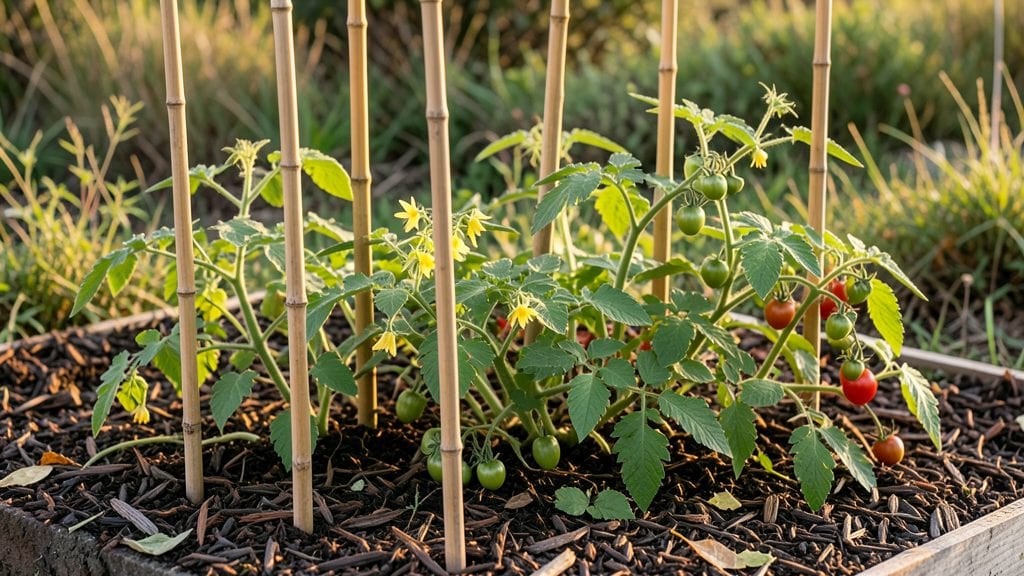
Square foot gardening with tomato plants turns a 4-foot-by-4-foot patch into a high-yielding powerhouse—something I never thought possible until I tried it myself. The trick isn’t just squeezing plants closer; it’s about matching the right varieties to the space, so you get pounds of tomatoes instead of just a few.
My first attempt with cherry tomatoes produced so many I gave away half the harvest, and that was in just 8 square feet.
Start with one tomato plant per square foot for indeterminate varieties (like Sungold or Better Boy) and four plants per square for bushier determinate types (like Roma or Patio). The soil mix matters just as much—amend with compost and a slow-release fertilizer to keep roots fed without overcrowding.
You’ll also want a sturdy trellis or cage to support those vines, since vertical growth saves precious space below.
Watering becomes a daily habit, but not in the way you’d expect. Instead of deep soaks every few days, I found light daily watering keeps the soil evenly moist without drowning roots in a tiny grid.
Prune suckers regularly to improve airflow, and watch your plants transform from scraggly seedlings into bursting tomato factories by midsummer. The payoff? A harvest density that makes traditional row gardening look sparse.
This method works for patios, balconies, or even small backyards—just scale the squares to fit your space. The key is patience: tomatoes need time to establish before they explode with fruit, but once they do, you’ll wonder why you ever planted them any other way. Let’s get those squares planted!
📚 In This Guide
- What you need
- Instructions
- Tips and common mistakes
- Wrapping up and next steps
What you need
- ● Square Foot Garden Box: 4’ x 4’ wooden frame (or pre-made kit) with 12” deep sides (to accommodate tomato roots).
- ● Garden Soil Mix: 1 part compost (high-quality, organic)
- ● 1 part peat moss or coconut coir (for moisture retention)
- ● 1 part vermiculite or perlite (for aeration)
- ● 1 part sand or composted pine bark (for drainage)
- ● Tomato Plants: 1 plant per square foot (choose determinate varieties like ‘Roma’ or ‘Patio’ for compact growth, or indeterminate like ‘Cherry’ for vining).
- ● Support Structures: 4–6 bamboo stakes or tomato cages (6–8 ft tall for indeterminate varieties)
- ● Twine or plant ties (for securing vines)
- ● Watering Tools: Drip irrigation system or watering can with a long spout
- ○ Soaker hoses (optional but ideal for consistent moisture)
- ● Fertilizer: Balanced organic fertilizer (e.g., 5-5-5 or compost tea) or slow-release tomato-specific granules.
- ● Mulch (straw or shredded leaves) to retain moisture and suppress weeds.
- ● Row covers or shade cloth (for early-season frost protection or heat management).
- ● Companion plants like basil, marigolds, or onions to deter pests.
- ● pH testing kit (to ensure soil is between 6.0–6.8, ideal for tomatoes).
- ● Pruning shears (for trimming suckers and dead leaves).
Step-by-Step instructions for square foot gardening tomato plants
Here's how to maximize your tomato yield in just a single square foot—no wasted space or floppy vines.
Plan Your Layout for Optimal Tomato Placement
Square foot gardening thrives on precision, so divide your 1-foot square grid into a 4x4 grid of 4-inch cells. Tomatoes need space, so place one indeterminate variety (like 'Sungold') in the center cell and one determinate variety (like 'Roma') in a corner cell. Indeterminate types sprawl, while determinates stay compact—this balance prevents overcrowding.
Label your grid with a small stake or marker to track which cell holds which plant. I always sketch a quick diagram first to visualize sunlight exposure. South-facing cells get priority for sun-loving tomatoes, while north-facing spots work for partial-shade varieties if needed.
Prepare the Soil for High-Yield Growth
Fill your 1-foot square raised bed with 6 inches of premium potting mix (never garden soil—it compacts and suffocates roots). Mix in 1 cup of compost per square foot to feed the plants slowly. The goal is fluffy, aerated soil that holds moisture without drowning roots.
Break up any clumps with your fingers and rake the surface lightly to create a fine, even texture. Press down just enough to remove air pockets, but don’t compact it—tomato roots need room to spread. A quick squeeze should feel like damp sand, not a brick.
Plant Tomatoes at the Right Depth and Spacing
Dig a hole in your chosen cell deep enough to bury ⅔ of the tomato’s stem (this encourages strong root growth). Gently loosen the roots of your transplant if they’re circling and place the plant so the first set of leaves sits just above soil level. Backfill with soil, pressing lightly to eliminate air gaps.
Water immediately after planting to settle the soil around the roots. You’ll see the stem stiffen slightly—that’s your signal the plant is anchored. For indeterminate types, install a 4-foot tall tomato cage in the same cell to support vertical growth without crowding.
Water and Feed for Maximum Fruit Production
Keep the soil consistently moist but never soggy—tomatoes hate wet feet. Water at the base of the plant in the morning to reduce evaporation and fungal risks. A 1-gallon watering can per square foot, applied until water runs out the drainage holes, ensures deep hydration without waste.
Every 2 weeks, top-dress with ½ cup of balanced 10-10-10 fertilizer mixed into the top inch of soil. Side-dressing (adding fertilizer to the soil surface) avoids root burn and gives plants a steady nutrient supply. You’ll notice darker green leaves and thicker stems within a week—that’s your cue the feeding is working.
Prune and Train for Airflow and Sunlight
As your indeterminate tomato grows, prune suckers (the small shoots in the leaf axils) to direct energy into fruit production. Use clean pruning shears to snip suckers when they’re no larger than a pencil. This prevents overcrowding and improves airflow, reducing disease risk.
Train the main stem to grow vertically along the cage by gently weaving it through the wires every 2-3 days. You’ll see the plant climb naturally if guided properly. For determinate types, pinch off the first flower cluster to encourage bushier growth—this leads to more fruit later in the season.
Tips & tricks for square foot gardening tomato plants
Square foot gardening with tomatoes rewards precision—here’s how to maximize every inch of space while avoiding common pitfalls that lead to floppy plants or wasted yield.
Layout Strategy: The 4x4 grid layout in Step 1 is your foundation, but here’s the secret: leave the outer cells empty if possible. This creates a natural windbreak for your center indeterminate plant (like 'Sungold'), protecting it from wind damage while still maximizing sunlight exposure. I’ve found that even in small spaces, this buffer zone prevents the sprawling vine from snapping under its own weight during storms.
Soil Science: When preparing your 6 inches of premium potting mix in Step 2, don’t skip the compost—but use it strategically. Mix the 1 cup per square foot into the bottom third of your soil layer. This creates a nutrient-rich zone where roots will naturally grow deeper, while the top remains lighter for better moisture retention. Think of it as building a soil "layer cake" where each layer serves a purpose.
Planting Depth Secret: Burying two-thirds of the stem in Step 3 isn’t just about root growth—it’s about creating a stronger plant from the start. When you bury that much stem, you’re actually encouraging the formation of additional roots along what was previously above ground. This means your plant will establish itself faster and handle drought better. Just be sure to bury the stem at the same depth it was growing in its original pot.
Watering Wisdom: The "consistently moist but never soggy" guideline in Step 4 is critical, but here’s how to achieve it: water deeply every morning using your 1-gallon watering can until water runs out the drainage holes. Then, let the soil dry slightly between waterings—this prevents fungal diseases while ensuring roots grow deep. I’ve seen plants wilt dramatically when gardeners water lightly multiple times a day, thinking they’re being helpful.
Pro Tips for Square Foot Gardening Tomato Plants
- Square foot gardening with tomatoes rewards precision—here’s how to maximize every inch of space while avoiding common pitfalls that lead to floppy plants or wasted yield.
- Layout Strategy: The 4x4 grid layout in Step 1 is your foundation, but here’s the secret: leave the outer cells empty if possible.
- Soil Science: When preparing your 6 inches of premium potting mix in Step 2, don’t skip the compost—but use it strategically.
Frequently asked questions
Got questions about growing tomatoes in square foot gardens?
Here are answers to the most common ones—so you can troubleshoot, plan, and maximize your harvest like a pro!
Can I grow more than one tomato plant in a 1-square-foot space?
Nope! Square foot gardening recommends one tomato plant per square foot to avoid overcrowding. Tomatoes need space to grow strong and produce fruit. If you’re tempted to squeeze two in, opt for bush varieties like ‘Tiny Tim’ or ‘Patio Princess’—they’re compact but still productive!
When is the best time to plant tomatoes in a square foot garden?
Plant after the last frost when soil is at least 60°F (15°C). For most U.S. zones, this is late spring (April–June). Use starter plants (not seeds) for faster harvests—just bury the stem deep (up to the first leaves) to encourage roots. Pro tip: Hardening off seedlings for 7–10 days before transplanting boosts survival rates!
What if my tomato plants look leggy or weak in a small space?
Leggy plants often mean they’re stretched for sunlight. Fix it by:
- Thinning nearby plants
- Adding a reflective mulch (like white plastic) to bounce light
- Using a small cage or stake to train vertical growth
Can I grow cherry tomatoes in a square foot garden?
Cherry tomatoes thrive in small spaces. Choose determinate varieties (like ‘Tiny Tim’ or ‘Sweet Million’) for bushier growth. They ripen faster and produce abundant fruit—perfect for snacking! Just ensure they get 6+ hours of sun daily and prune suckers (side shoots) to focus energy on fruit production.
How do I keep pests away from my square foot tomatoes?
Pests like aphids and hornworms love tomatoes! Try these organic fixes:
- Handpick pests early in the morning
- Spray with neem oil or soapy water (1 tsp dish soap + 1 quart water)
- Plant companion herbs like basil or marigolds nearby
- Use row covers for young plants
Wrapping up and next steps
Square foot gardening with tomato plants proves that big rewards come in small spaces! 🌱 By maximizing vertical growth, choosing the right varieties, and pairing them with companion plants, you can enjoy a bountiful harvest—even in a 1x1-foot plot.
Whether you're a beginner or a seasoned gardener, this method is your ticket to efficient, high-yield gardening.
Ready to dig in? Start by sketching your layout, sourcing your seeds or seedlings, and planning your companion plants. Then, watch your tiny garden transform into a tomato powerhouse—one square foot at a time!