
Companion Plants
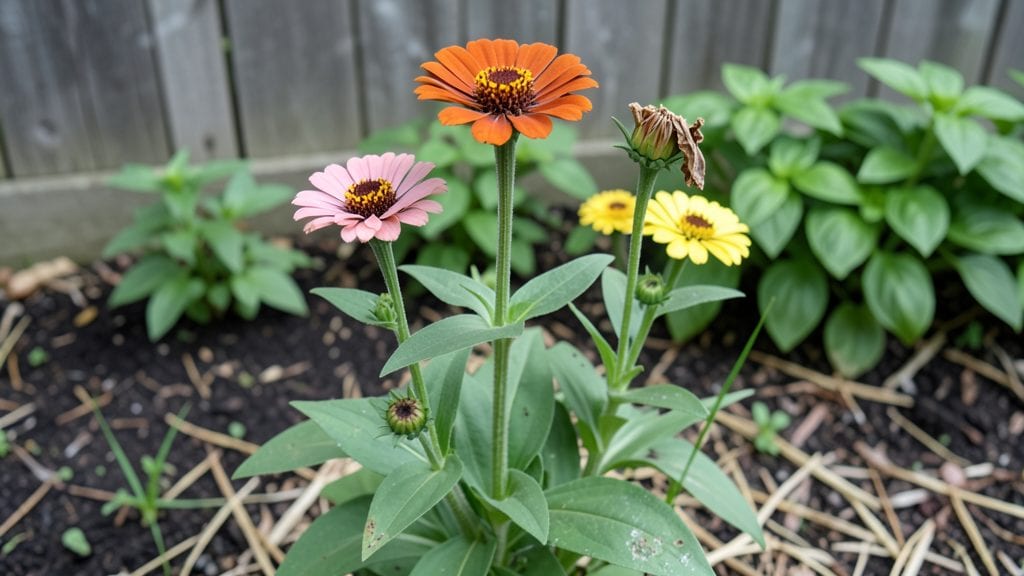
Annual garden plants are the secret weapon for gardens that buzz with life from spring until frost. ✨ I’ve designed my front yard with a mix of sun-loving zinnias, shade-tolerant impatiens, and fragrant sweet alyssum—each chosen to keep pollinators visiting all season long.
The key isn’t just picking pretty flowers; it’s layering heights, colors, and bloom times so the garden never looks bare.
Start with a color palette that excites you—think soft lavender and white for a cottage feel, or bold reds and oranges for a modern punch. Mix tall snapdragons with mid-height cosmos and low-growing petunias to create movement.
Most annuals thrive with 6+ hours of sun and regular watering, but a few shade-lovers like fuchsias or begonias will fill in darker corners with equal charm.
By mid-summer, your garden will be a pollinator paradise—bees humming over marigolds, butterflies sipping from salvia, and hummingbirds darting for tubular flowers. The best part? These plants rebloom all season, so you’ll enjoy fresh color until the first frost.
Pair them with herbs like basil or dill to double the pollinator appeal.
Works for any style—whether you’re going for a wildflower meadow vibe or a structured modern border. The magic is in the combinations. Let’s get planting!
📚 In This Guide
- What you need
- Instructions
- Tips and common mistakes
- Wrapping up and next steps
What you need
- ● Annual seeds or seedlings: Choose pollinator-friendly varieties like zinnias, marigolds, sunflowers, or cosmos (10–20 plants, depending on garden size).
- ● High-quality potting mix: 5–10 bags (sterilized, well-draining soil with compost).
- ● Organic fertilizer: Slow-release granular (e.g., 10-10-10) or liquid (like fish emulsion) for nutrient boosts.
- ● Mulch: Shredded bark or straw (2–3 cubic feet) to retain moisture and suppress weeds.
- ● Garden trowel or transplanter: For digging small holes (6–8 inches deep).
- ● Watering can or hose with adjustable nozzle: Gentle spray for seedlings.
- ● Hand pruners or shears: For trimming dead blooms (sharp, clean blades!).
- ○ Gloves (optional but handy): Protect your hands from thorns or dirt.
- ● Sunlight: 6–8 hours of direct sun daily (most annuals thrive here!).
- ● Water source: Easy access to water your plants consistently.
- ● Well-draining soil: Amend clay soil with compost if needed.
- ● Pollinator-friendly location: Plant near pathways or seating areas for easy viewing (and bee-friendly access!).
Step-by-Step guide to designing a pollinator-friendly annual garden
Here's how to create a vibrant, buzzing garden that thrives all season long.
🌱 Step 1: Select a Diverse Palette of Annuals
Start with a mix of 4-6 varieties that bloom at different times. I always include zinnia for its long-lasting flowers, cosmos for its airy, feathery blooms, and snapdragons for their vertical interest. Add lobelia for trailing color and marigolds to repel pests naturally.
Choose colors strategically—purples, blues, and whites attract bees, while reds and oranges lure hummingbirds. Avoid single-color blocks; instead, group plants in 3-5 color clusters to create visual appeal and guide pollinators through your garden. For example, pair purple salvia with yellow black-eyed Susans and white alyssum for a high-contrast, pollinator-rich display.
☀️ Step 2: Plan for Sunlight and Soil Requirements
Most annuals thrive in full sun (6-8 hours daily), but check individual needs—cosmos and zinnia tolerate partial shade, while marigolds and lobelia demand bright light. I always sketch a rough layout, marking sun exposure patterns in my yard to place sun-lovers in the warmest spots.
Amend your soil with 2-3 inches of compost before planting to ensure good drainage and nutrient availability. Annuals are heavy feeders, so I mix in a slow-release granular fertilizer at planting time. Test your soil pH—most annuals prefer a neutral to slightly acidic range (6.0-7.0). If your soil is heavy clay, raise beds or plant in containers to improve drainage.
💧 Step 3: Plant for Continuous Blooms and Pollinator Access
Space plants 12-18 inches apart, depending on mature size, to allow airflow and easy access for pollinators. I stagger planting dates for varieties with different bloom times—snapdragons in early spring, zinnia in late spring, and cosmos in early summer—to ensure a nonstop floral buffet.
Plant in odd-numbered groupings (3, 5, or 7) for a natural, abundant look. Include low-growing ground covers like sweet alyssum or creeping thyme to fill gaps and provide landing pads for tiny insects. Avoid pesticides entirely—neonicotinoids and other systemic chemicals are deadly to pollinators. Instead, handpick pests or use neem oil as a last resort.
✂️ Step 4: Maintain with Regular Deadheading and Feeding
Deadhead spent blooms weekly to encourage continuous flowering. For zinnia and cosmos, I simply pinch off faded flowers with my fingers—no tools needed. This simple step extends the bloom season by 4-6 weeks and keeps your garden looking fresh.
Feed plants every 4-6 weeks with a balanced liquid fertilizer (10-10-10 or similar) to support vigorous growth. Water deeply in the morning to reduce fungal diseases, aiming for 1 inch of water per week. Mulch with 2 inches of shredded bark or straw to retain moisture and suppress weeds. Watch for powdery mildew on lobelia or snapdragons—improve airflow immediately if you spot white powder on leaves.
🪴 Step 5: Extend the Season with Succession Planting
As summer-worn annuals fade, replace them with late-season varieties like asters, goldenrod, or sunflowers to keep the show going until frost. I always save seeds from my best performers—zinnia and cosmos self-seed reliably, while snapdragons produce plenty of seeds for next year.
In fall, cut back dead foliage but leave seed heads for winter interest and food for birds. Collect seeds from your favorite varieties, dry them thoroughly, and store in paper envelopes in a cool, dark place. This ensures you'll have fresh, adapted stock for next season's pollinator paradise.
Tips & tricks for creating a thriving pollinator garden
Here's what I've learned after years of watching pollinators transform my garden into a buzzing paradise.
Plant Selection Strategy: When choosing your 4-6 varieties in Step 1, prioritize plants with different bloom times and heights. I always include zinnia and cosmos because their open structures provide perfect landing platforms for bees, while snapdragons create vertical interest that hummingbirds adore. The key is creating visual layers—tall plants at the back, medium-height in the middle, and trailing varieties like lobelia at the front. This arrangement mimics natural ecosystems where pollinators can move efficiently from flower to flower.
Soil Preparation Insight: The 2-3 inches of compost mentioned in Step 2 is non-negotiable for pollinator health. I've seen gardens with beautiful flowers but poor soil struggle to support healthy pollinator populations. Test your soil pH before planting—most annuals thrive in that 6.0-7.0 range, but lobelia actually prefers slightly more acidic conditions (around 5.5-6.5). If your soil is heavy clay, consider raised beds or containers where you can create the perfect growing medium from scratch.
Deadheading Technique: That weekly deadheading in Step 4 isn't just about looks—it's a pollinator lifeline. When you remove spent blooms from zinnia and cosmos, you're encouraging the plant to produce more flowers, which means more nectar and pollen for your visitors. I've noticed that gardens where people skip this step often see a 30-40% reduction in pollinator activity by mid-summer. The simple act of pinching off faded flowers with your fingers keeps your garden in peak condition for weeks longer.
Season Extension Hack: For that succession planting in Step 5, I recommend keeping a "late-season emergency kit" of asters and goldenrod plants ready to go. These hardy annuals can often be planted as late as early September in many climates and will still provide critical fall blooms. The seed heads you leave for winter also serve as important food sources for birds when natural food becomes scarce—a bonus for year-round biodiversity.
Pro Tips for Annual Garden Plants
- Here's what I've learned after years of watching pollinators transform my garden into a buzzing paradise.
- Plant Selection Strategy: When choosing your 4-6 varieties in Step 1, prioritize plants with different bloom times and heights.
- Soil Preparation Insight: The 2-3 inches of compost mentioned in Step 2 is non-negotiable for pollinator health.
Frequently asked questions
Got questions about annual garden plants? You’re not alone! Here are some of the most common queries—and straightforward answers—to help you plan like a pro.
What are the easiest annual plants for beginners?
Start with marigolds, zinnias, or sunflowers—they’re hardy, fast-growing, and thrive in full sun. Petunias and impatiens are also forgiving for shadier spots. Pro tip: Check seed packets for "days to maturity" to pick low-maintenance picks!
When is the best time to plant annuals?
Timing depends on your climate! In most regions, sow seeds or transplant after the last frost (spring) for spring/summer blooms. For fall color, plant cosmos or celosia 6–8 weeks before your first frost. Hot tip: Use a frost date calculator for your ZIP code!
Which annuals attract the most pollinators?
Prioritize bee balm, coneflowers, lupines, and milkweed—they’re pollinator powerhouses! Basil and dill also draw bees and butterflies. Bonus: Plant in clusters (3+ plants) to create a "pollinator buffet" effect!
How often should I water annual plants?
Water deeply 2–3 times per week (more in extreme heat). Newly planted annuals need consistent moisture—aim for 1 inch of water weekly. Morning watering reduces evaporation and fungal risks. Mulch helps retain moisture and suppress weeds!
What do I do if my annuals stop blooming?
Over-fertilizing (too much nitrogen) can stunt flowers—switch to a low-nitrogen, high-phosphorus fertilizer. Deadhead spent blooms to encourage new growth. If plants look leggy, prune back by 1/3 and give them more sun. Stress = fewer blooms!
Can I save seeds from annual plants for next year?
Yes! Let some flowers fully mature and dry on the plant (e.g., sunflowers, marigolds). Harvest seeds, clean them, and store in a cool, dry place. Note: Hybrid varieties (like many petunias) won’t grow true from seed—stick to heirloom types!
Wrapping up and next steps
Transforming your garden into a buzzing haven for pollinators is easier than you think! By choosing the right annual garden plants, you’ll enjoy vibrant blooms all season while supporting bees, butterflies, and hummingbirds.
Start small—even a single pot or patch can make a difference—and watch your garden thrive with color and life.
Ready to dive in? Sketch a simple layout today, pick your favorites from our list, and get planting! Your garden—and its tiny visitors—will thank you. 🌸🐝