Vegetables
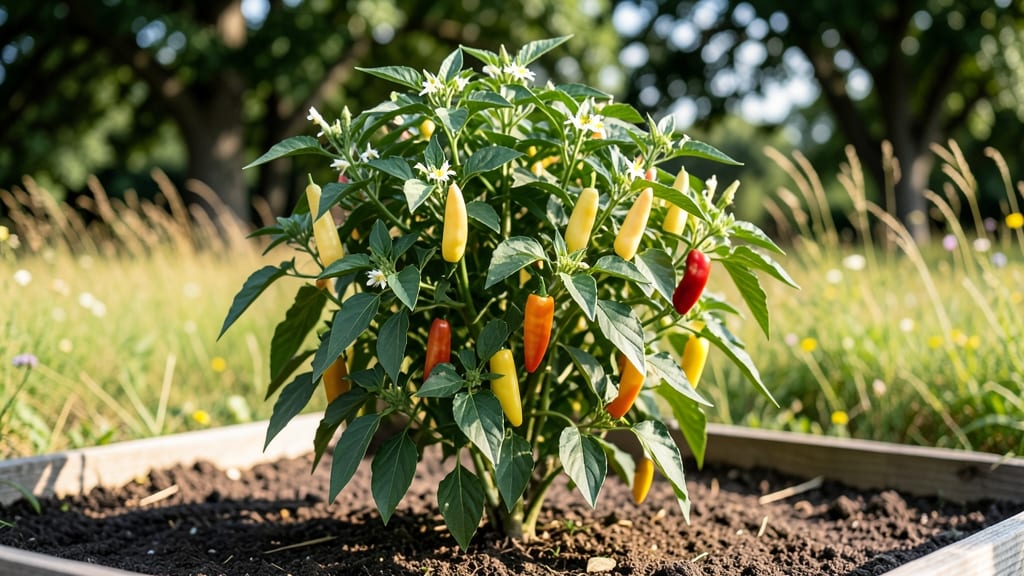
Transform your banana peppers garden into a mini spice factory with these easy container tips—harvesting fresh, mild heat all year, no matter your space or climate. 🌱 I’ve turned my balcony into a spice-producing machine by treating these peppers like the low-maintenance powerhouses they are, and you can too.
The key is matching their needs to your setup: at least 6 hours of sun daily, well-draining soil, and pots with drainage holes (5-gallon containers work great). They thrive in warm weather but can stretch production into cooler months with a little protection—no greenhouse needed.
Plant seeds indoors 8-10 weeks before your last frost or buy transplants in spring for a foolproof start.
By midsummer, you’ll be snipping clusters of bright yellow peppers straight from the plant, perfect for pickling, drying, or fresh snacking. The plants stay productive for months, and their bushy growth hides pests better than many garden varieties.
Just watch for aphids (spray with soapy water) and overwatering (let soil dry slightly between waterings).
Works in zones 4-11, from sun-drenched patios to covered porches. Once you master this, you’ll never buy store-bought peppers again—and your neighbors will start asking for cuttings. Let’s get those seeds started!
📚 In This Guide
- What you need
- Instructions
- Tips and common mistakes
- Wrapping up and next steps
What you need
- ● Banana pepper plants: 2–4 seedlings or seeds (start indoors 8–10 weeks before last frost or buy transplants).
- ● Containers: 5–7 gallon pots (or larger) with drainage holes—terracotta or fabric grow bags work best.
- ● Potting mix: 1 bag (1–2 cubic feet) of well-draining, sterile mix (e.g., 60% peat moss, 30% perlite, 10% compost).
- ● Fertilizer: Balanced, water-soluble fertilizer (10-10-10 or 5-5-5) or slow-release granules (follow package rates).
- ● Stakes or cages: 1–2 per plant (4–6 ft tall) to support vines.
- ● Mulch: Organic mulch (straw or shredded leaves) to retain moisture.
- ● Watering can or hose: With a gentle spray nozzle for even watering.
- ● Pruning shears: Sharp, clean pair for harvesting and trimming.
- ● Grow lights: LED or fluorescent for indoor seedlings (12–16 hrs/day).
- ● Heat mat: For germinating seeds (70–85°F ideal).
- ● Epsom salt: 1 tbsp per gallon of water monthly for magnesium boost.
- ● Companion plants: Basil or marigolds (potted nearby to deter pests).
- ● Greenhouse or cold frame: For extending the growing season in cooler climates.
Step-by-step instructions for growing banana peppers in containers
Here’s how to cultivate a thriving banana pepper harvest in pots, even in limited space.
🌱 Step 1: Select and Prepare Containers
Banana peppers thrive in 5-gallon containers with drainage holes—plastic or fabric pots work well. I use fabric grow bags because they prevent root circling and allow excess moisture to evaporate. Fill each container with a mix of 60% potting soil and 40% compost to ensure nutrient-rich, well-draining soil.
Before planting, soak the containers in water for an hour to pre-moisten the soil. This prevents transplant shock and helps roots establish faster. Tap the sides gently to settle the mix, but avoid compacting it—banana pepper roots need air to thrive.
🌱 Step 2: Plant Seeds or Transplants
Sow seeds ¼ inch deep or plant transplants at the same depth as their nursery pots. If starting from seed, plant 2-3 seeds per container and thin to the strongest seedling once they develop 2-3 true leaves. This ensures you don’t waste space or resources on weak plants.
Space seeds or transplants 12-18 inches apart in larger containers to allow for bushy growth. Water gently after planting to settle the soil around the roots. Avoid overwatering—banana peppers are drought-tolerant once established, but young plants need consistent moisture.
☀️ Step 3: Provide Optimal Light and Temperature
Banana peppers need 6-8 hours of full sun daily to produce fruit. Place containers in a south-facing window or under grow lights if natural light is insufficient. I use a full-spectrum LED grow light on a timer for 12-14 hours per day during shorter winter days.
Maintain temperatures between 70-85°F for best growth. If your climate dips below 55°F, move containers indoors or use a greenhouse. Banana peppers are frost-sensitive, so protect them from cold snaps with row covers or a temporary shelter.
💧 Step 4: Water and Fertilize Consistently
Water containers when the top 1-2 inches of soil feel dry. Overwatering leads to root rot, while underwatering causes fruit to split or become bitter. I water deeply at the base of the plant, avoiding the leaves to prevent fungal diseases like powdery mildew.
Fertilize every 4-6 weeks with a balanced, water-soluble fertilizer (10-10-10) diluted to half-strength. Banana peppers are light feeders, so too much fertilizer can reduce fruit quality. Stop fertilizing once flowers appear to encourage fruiting rather than foliage growth.
✂️ Step 5: Prune and Harvest for Continuous Production
Prune leggy stems to encourage bushier growth and more fruit production. Pinch off the tips of new growth when the plant reaches 12-18 inches tall to redirect energy into flowering and fruiting. Remove any yellow or diseased leaves promptly to maintain plant health.
Harvest banana peppers when they turn yellow or pale green and reach 3-4 inches long. Use pruning shears to cut stems just above the fruit to avoid damaging the plant. Regular harvesting encourages more production—you’ll see new flowers and peppers within weeks.
Tips & tricks for growing banana peppers in containers
Small adjustments in technique and timing can transform your container garden from decent to exceptional. Here’s what I’ve learned after growing banana peppers for years in limited spaces.
Container Size Matters: While 5-gallon containers work, I've found that 7-gallon fabric pots give plants more room to establish strong root systems—especially important if you're growing more than one pepper plant per container. The extra space helps prevent root competition and allows for better drainage, which is crucial for preventing root rot in banana peppers.
Lighting Strategy for Small Spaces: If you're using grow lights for the required 12-14 hours per day, position them just 6-8 inches above the plants. I use a timer to automate this, but if you're doing it manually, remember that banana peppers need consistent light to set fruit. In winter, supplement with a second light source if your primary one isn't sufficient for the full duration.
Temperature Protection Tactics: When temperatures drop below 55°F, move containers indoors to a sunny spot or under grow lights. I've had success using a small greenhouse tent over my balcony setup during cool evenings—it creates a microclimate that maintains ideal 70-85°F conditions. Even a simple plastic dome can help preserve heat around the plants.
Pruning for Maximum Production: In Step 5, when pruning leggy stems, focus on removing branches that grow downward or are shaded by others. I also recommend pinching off the first few flowers that appear—this might seem counterintuitive, but it allows the plant to develop a stronger structure before committing to fruit production. Once the plant reaches 12-18 inches tall with good bushiness, you'll get more consistent yields.
Pro Tips for Banana Peppers Garden
- Small adjustments in technique and timing can transform your container garden from decent to exceptional.
- The extra space helps prevent root competition and allows for better drainage, which is crucial for preventing root rot in banana peppers.
- Lighting Strategy for Small Spaces: If you're using grow lights for the required 12-14 hours per day, position them just 6-8 inches above the plants.
Frequently asked questions
Got questions about growing banana peppers in your garden or containers? You’re not alone! Here are some of the most common queries—and their answers—to help you cultivate a thriving spice harvest all year round.
When is the best time to plant banana peppers?
Banana peppers thrive in warm soil, so plant them after the last frost when temperatures stay above 60°F (15°C). For container gardening, start seeds indoors 8–10 weeks before the last frost, then transplant seedlings once the weather warms. If you live in a mild climate, you can even grow them year-round with proper care!
How long does it take for banana peppers to grow?
From seed to harvest, banana peppers typically take 70–90 days. If you’re transplanting seedlings, expect peppers in about 60–80 days. Patience pays off—keep an eye out for those signature yellow and orange fruits to ripen!
Can banana peppers survive cold weather?
Banana peppers are tender annuals and won’t tolerate frost. If you’re growing in containers, move them indoors or to a greenhouse during winter. In colder climates, treat them as summer plants and replant each year. For year-round harvests, extend the season with row covers or grow lights.
What can I do if my banana peppers turn bitter?
Bitterness often stems from overripe fruit, stress, or poor soil. Harvest peppers when fully yellow or orange for the best flavor. Ensure consistent watering (but avoid soggy soil) and fertilize with a balanced, low-nitrogen feed. If pests or disease are the culprit, treat with neem oil or insecticidal soap.
Are there alternatives to banana peppers for container gardening?
If banana peppers don’t suit your space, try jalapeños, shishitos, or Thai chilies—they’re all container-friendly! For milder heat, consider pepperoncini or Cubanelle peppers. Just ensure your containers have good drainage and provide 6+ hours of sunlight daily for any pepper variety.
Wrapping up and next steps
Growing banana peppers in your garden is a rewarding way to add fresh, fiery flavor to your meals—and it’s easier than you think! With just a few containers, some sunlight, and a little patience, you can enjoy a year-round harvest of these versatile peppers.
Whether you're a seasoned gardener or a curious beginner, this spicy adventure is well within reach.
Now that you’re armed with the know-how, why not take the next step? Start your banana pepper garden today—your taste buds (and dinner guests) will thank you! 🌱🔥