
Tools
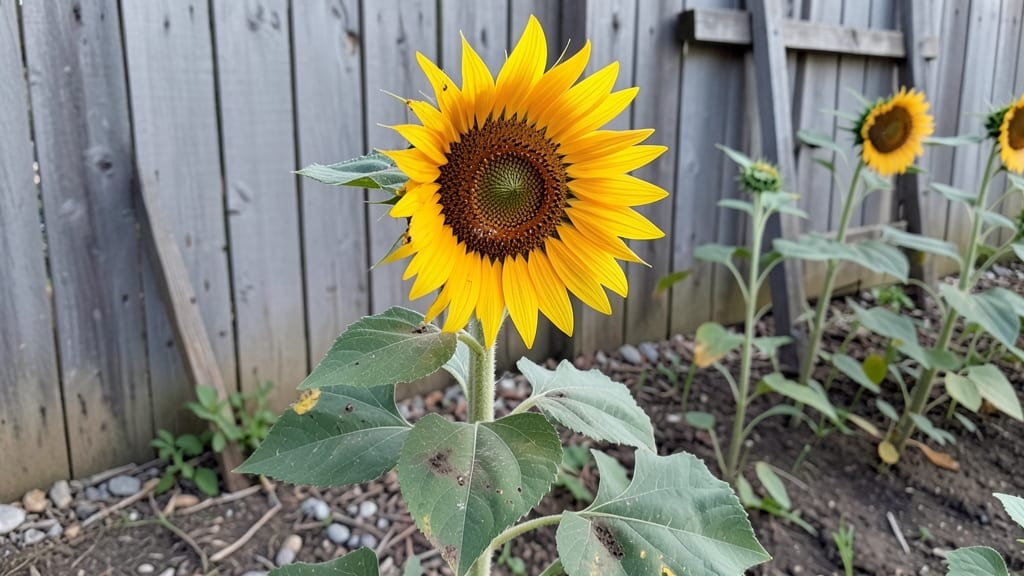
A backyard sunflower garden transforms any space into a buzzing, golden paradise where pollinators outnumber the weeds. 🌻 I planted mine last summer after watching my neighbor’s towering stalks sway in the breeze—now I’m hooked on the way they turn a patch of yard into a living sculpture.
The key isn’t just dropping seeds; it’s choosing the right varieties for your space and pairing them with plants that play well together.
Start with a mix of heights—dwarf sunflowers (2-3 feet) for borders, mid-size (4-5 feet) for midground drama, and giants (8-12 feet) as centerpieces. Add cosmos or marigolds at their feet to keep pests away while adding color.
My 5x10-foot plot now blooms from July through October, with bees and butterflies treating it like an all-you-can-eat buffet. The secret? Well-drained soil and a 3-foot spacing between stalks to prevent them from toppling over.
You’ll love waking up to stalks reaching for the sky and the way they cast dappled shadows at sunset. The maintenance is minimal—water deeply once a week and deadhead spent blooms to encourage more flowers.
By late summer, you’ll have a pollinator magnet that outshines any store-bought bouquet. Ready to turn your yard into a golden haven?
Works in urban backyards, rural plots, or even large containers—just adjust spacing and variety. Here’s how to make it happen without the guesswork.
📚 In This Guide
- What you need
- Instructions
- Tips and common mistakes
- Wrapping up and next steps
What you need
- ● Sunflower seeds: Choose a mix of varieties (e.g., Mammoth, Teddy Bear, or Autumn Beauty) for height and color diversity. Buy 1–2 lbs (enough for ~50–100 plants, depending on spacing).
- ● Well-draining soil: Amend clay-heavy soil with 2–3 inches of compost or aged manure to improve fertility.
- ● Watering can or hose: A 1–2 gallon can for seedlings or a soaker hose for established plants.
- ○ Organic fertilizer (optional but recommended): A balanced 10-10-10 or fish emulsion to boost growth.
- ● Garden trowel or transplanter: For digging holes (6–12 inches deep, depending on seed size).
- ● Garden gloves: To protect your hands from thorns and soil.
- ● Measuring tape or ruler: To space seeds 6–24 inches apart (check variety guidelines!).
- ● Mulch (straw or shredded leaves): 2–3 inches to retain moisture and suppress weeds.
- ● Sunny spot: At least 6–8 hours of direct sunlight daily—sunflowers are not shy!
- ● Spacious area: Minimum 3x3 feet per plant (taller varieties need more room).
- ● Patience: Germination takes 7–14 days, and full bloom can take 80–120 days.
- ● 🌡️ Plant after the last frost: Sunflowers hate cold soil—wait until temps stay above 50°F (10°C).
- ● ✨ Save seeds: Let a few blooms dry on the stem, then harvest seeds for next year!
- ● 🐝 Skip pesticides: Sunflowers attract pollinators—let nature do its thing!
Step-by-Step instructions for planting a backyard sunflower garden
Here's how to create a vibrant sunflower garden that thrives from seed to towering bloom.
🌱 Step 1: Choose and Prepare Your Planting Site
Sunflowers need full sun—at least 6-8 hours daily—so pick a spot that gets morning light and afternoon warmth. Clear the area of weeds and loosen the soil with a garden fork to a depth of 12 inches. This helps roots spread easily and prevents waterlogging.
Sunflowers grow tall, so check your space. Dwarf varieties stay under 3 feet, while standard types reach 8-10 feet. If planting near fences or structures, leave 2-3 feet of clearance for full growth. Amend the soil with compost if it’s heavy clay or sandy—sunflowers prefer well-draining, nutrient-rich earth.
🌱 Step 2: Plant Seeds at the Right Depth and Spacing
Direct-sow sunflower seeds in early spring after the last frost, or start indoors 4-6 weeks before transplanting. Plant seeds 1 inch deep and 6-12 inches apart, depending on the variety. Larger sunflowers need more space—space them 18-24 inches apart to avoid overcrowding.
I like to plant in rows 2-3 feet apart for easier maintenance. Press the soil gently around each seed to ensure good contact, but don’t pack it down. Water lightly after planting to settle the soil, then wait for germination. Seeds typically sprout in 7-14 days when soil temps are 60-70°F.
💧 Step 3: Water and Maintain for Strong Growth
Keep the soil consistently moist but not soggy during germination. Once seedlings emerge, water deeply 1-2 times per week, aiming for 1 inch of water per week. Mulch around plants with 2-3 inches of straw or grass clippings to retain moisture and suppress weeds—sunflowers hate competition.
Watch for leggy growth, which happens when seedlings stretch toward light. If this occurs, thin seedlings to the strongest 2-3 per hill and provide support with stakes or cages as they grow. Fertilize lightly with a balanced 10-10-10 formula at planting and again when flowers begin to form, but avoid over-fertilizing—sunflowers thrive in lean soil.
☀️ Step 4: Support and Protect for Towering Blooms
Tall sunflowers need sturdy support, especially in windy areas. Install 6-foot stakes or use tomato cages for varieties over 5 feet. Tie stems loosely with soft plant ties or old fabric strips to prevent damage. Deadhead spent blooms by pinching off faded flowers to encourage more blooms and prevent seed formation if you’re not saving seeds.
Keep an eye out for pests like aphids or sunflower moths. A strong spray of water usually washes them away, but severe infestations may require neem oil. Sunflowers are generally low-maintenance, but consistent watering and occasional pruning of lower leaves ensure airflow and prevent disease.
⏰ Step 5: Harvest and Enjoy the Season-Long Display
Sunflowers bloom in 8-12 weeks after planting, depending on the variety. Harvest seeds when the back of the flower head turns yellow and the petals droop. Cut the head, hang it upside down in a dry, dark place, and let the seeds mature for 2-3 weeks. Remove seeds and store them in a paper bag for next year’s garden.
For a continuous display, plant a mix of early, mid, and late-season varieties. The towering blooms will attract pollinators all season, and you’ll enjoy fresh-cut flowers indoors or dried arrangements for winter. With minimal effort, your sunflower garden becomes a showstopper!
Tips & tricks for perfect backyard sunflower gardens
A few simple secrets can transform your sunflower garden from ordinary to extraordinary. Here's what I've learned after watching my own plants grow from tiny sprouts to towering pollinator magnets.
Sunlight Secret: That 6-8 hours of daily sun isn't just a suggestion—it's non-negotiable for happy sunflowers. I've seen firsthand how plants in partial shade grow leggy and weak. If your yard has limited sun, consider dwarf varieties that tolerate slightly less light, but even they'll reward you with more blooms when they get their full sun.
Soil Preparation Strategy: Don't skip the 12-inch soil loosening in Step 1—this is where the magic happens. I use a garden fork to break up compacted soil, which helps roots spread easily. For heavy clay soil, mix in a 2-3 inch layer of compost before planting. This creates the perfect well-draining environment sunflowers crave, and you'll notice stronger stems that can support those towering blooms.
Germination Timing: Those 7-14 days for germination can feel like forever, but don't rush it! The key is maintaining soil temperatures between 60-70°F. If your spring nights are still chilly, consider using a mini greenhouse or even an old plastic bottle as a cloche to trap warmth. I've found that consistent moisture during this period is more important than daily watering—just keep the soil lightly damp.
Support System: The 6-foot stakes mentioned for tall varieties are worth every penny. I've seen beautiful sunflowers topple over in the first wind without proper support. For extra stability, plant a second stake at a 45-degree angle from the first, creating an "X" shape. This simple trick prevents the common problem of leaning stems and ensures your sunflowers grow straight toward the sky.
Pro Tips for Backyard Sunflower Garden
- A few simple secrets can transform your sunflower garden from ordinary to extraordinary.
- Sunlight Secret: That 6-8 hours of daily sun isn't just a suggestion—it's non-negotiable for happy sunflowers.
- Soil Preparation Strategy: Don't skip the 12-inch soil loosening in Step 1—this is where the magic happens.
Frequently asked questions
Got questions about growing a backyard sunflower garden?
Here are some of the most common ones—and their easy answers to help you cultivate a thriving patch of towering blooms!
When is the best time to plant sunflowers for year-round blooms?
Sunflowers thrive in warm soil, so plant them after the last frost in spring—typically late April to early June in most U.S. zones. For extended blooms, try a staggered planting: sow seeds every 2–3 weeks until mid-summer. Some varieties, like Moulin Rouge, rebloom if deadheaded early!
How do I attract more pollinators to my sunflower garden?
Sunflowers are pollinator magnets, but you can boost their appeal! Plant companion flowers like marigolds, cosmos, or borage nearby. Avoid pesticides, and leave some stems uncut to provide nectar and shelter. Bonus: Dwarf sunflowers (like Teddy Bear) grow close to the ground, making them perfect for bees and butterflies!
How often should I water sunflowers, and how do I know if they’re thirsty?
Water deeply 1–2 times per week (more in extreme heat or sandy soil). Check soil moisture: Stick your finger 1–2 inches down—if it’s dry, it’s time to water. Overwatering is worse than underwatering! Sunflowers are drought-tolerant once established, but wilting leaves or drooping stems signal thirst. Mulch around the base to retain moisture.
Can I grow sunflowers in containers, or do they need a big backyard?
Dwarf varieties (under 3 feet tall) thrive in 5-gallon containers with drainage. Use a balanced fertilizer (like 10-10-10) and place pots in full sun. For taller types, opt for large pots (15+ gallons) or raised beds. Just ensure the container is at least twice as wide as the plant’s mature diameter to prevent root crowding.
What should I do if my sunflowers get pests like aphids or birds pecking the seeds?
Start with prevention: Netting protects seeds from birds, while neem oil or insecticidal soap tackles aphids. For birds, try reflective tape or scare tactics (like old CDs on strings). If pests strike, act fast—sunflowers are resilient but can wilt under heavy infestations. Handpick larger pests (like slugs) at dawn for a chemical-free fix!
Do sunflowers need full sun, or can they tolerate partial shade?
Sunflowers love full sun (6+ hours daily) for the tallest stems and biggest blooms. In partial shade (4–6 hours of sun), they’ll still grow but may produce smaller flowers. If your yard is shady, choose short varieties like Sunspot or Autumn Beauty, which tolerate lighter conditions better. South-facing spots get the most sunlight!
Wrapping up and next steps
Creating a backyard sunflower garden isn’t just about adding beauty—it’s a simple way to support pollinators, boost your space, and even enjoy homegrown snacks! 🌻 With the right soil, sunlight, and a little patience, you’ll soon have towering blooms that bring joy and life to your garden.
Ready to dive in?
Start small—plant a few seeds this weekend and watch your garden transform. Next up: Grab your tools, pick your sunflower varieties, and let nature do the rest! 🌱